
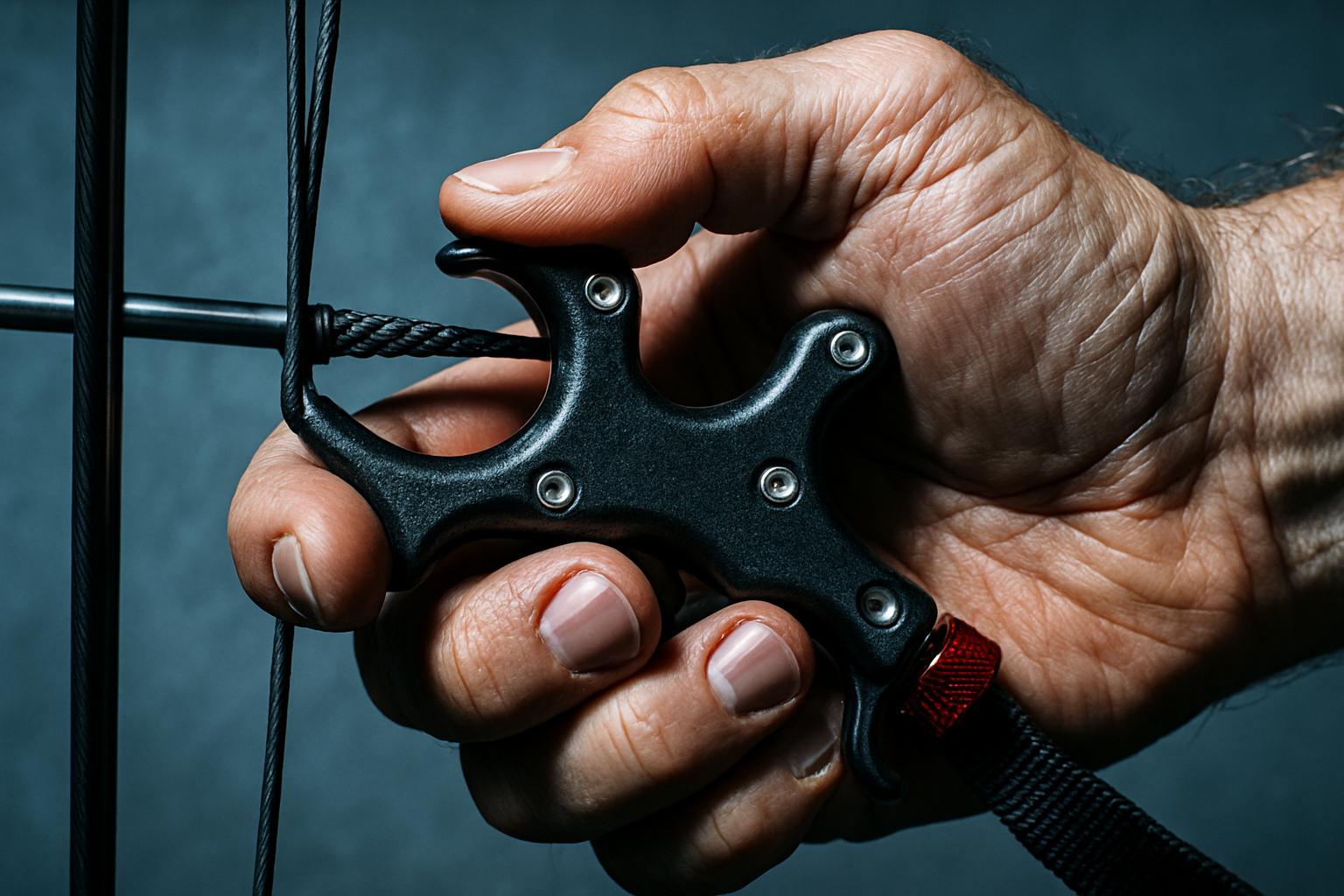
Picking the right archery release is not exactly easy. If you have ever wondered which type will work best or worried about how much your accuracy depends on getting this choice right, you are not alone. The search gets overwhelming fast. Equipment, fit and trigger comfort can be confusing. Here are some top choices recommended from real user feedback:
What Makes a Good Archery Release?
Not every archery release will fit your hand or style the same way. This is one of those accessories where small details change your actual shooting experience.
There are a few key things to look for. Even if a release claims “universal fit,” how it feels on your wrist or between your fingers makes a much bigger difference than most people expect.
Some archers find a tight wrist strap harder to adjust during longer sessions, while others prefer this style because it gives extra security and confidence at full draw.
Choosing the right style for your skills and bow setup can influence everything from accuracy to comfort. Usually, buyers make their decision based on:
- Consistency of trigger pull, which directly affects accuracy.
- Comfort, especially how the release sits in your hand over many shots.
- Adjustment range. How easily can you fine-tune sensitivity and fit?
- Noise level. A quiet release helps with hunting and focus.
- Build quality. Cheaper releases might wear out or break under tension.
If you are new, these factors might not seem obvious until you have fired a few arrows. Sometimes it takes a bit of trial and error.
Types of Archery Release Aids
There is no single “best” design for every archer. The three main styles each serve different preferences and shooting situations. Here are the main categories:
| Type | Features & Fit |
| Wrist Strap (index finger trigger) | Most common. Strap fits around the wrist, uses finger to trigger. Familiar and adjustable. |
| Handheld Thumb Trigger | Small, held in fingers. Uses thumb to trigger. Gives a smooth shot. Requires some practice. |
| Hinge/Back Tension | Uses steady pull with no finger trigger. Great for target shooting. Can be tricky for beginners. |
Pros favoring wrist strap releases often mention comfort, especially when hunting. Thumb trigger types offer more direct control. Hinge styles reward good form, but are less forgiving for new users. Everyone seems to debate which is best, but the final answer usually depends on what you feel is more natural.
We have seen plenty of people start with a simple wrist model and then get curious about thumb triggers after a season or two. That progression is common as shooters look for more precision.
Archery Release Buyer Guide
Before you pick anything, try to think about how often you shoot and for how long. Are you hunting in cold weather? Practicing for hours? Do you have small or large hands? Every release works with slightly different mechanics, so the details matter. Here are some important points that deserve a closer look:
Key Features That Matter
Small things often make the biggest difference. Some are not obvious until you have used the release in different situations.
Hand fatigue is a problem you might not notice right away, but after a day at the range a poorly-balanced release will wear you out faster than you expect.
- Length of the connecting strap, since longer straps allow greater flexibility for hand placement.
- Trigger travel, how far the trigger moves before firing. Less travel is usually better for accuracy.
- Locking mechanism or safety to prevent accidental shots, especially for high-tension bows.
- Weight and balance of the release in your hand.
- Replacement part availability, since strings or triggers can wear out with regular use.
Common Mistakes When Picking an Archery Release
Many buyers get locked in on price alone, but saving a few dollars on a poorly-made release often causes more frustration than it is worth. Here are a few errors to avoid:
- Choosing based only on looks or a famous brand.
- Ignoring wrist comfort, which leads to long-term fatigue.
- Overtightening straps or failing to adjust the release for your hand size.
- Picking extreme trigger sensitivity (if hunting), which risks accidental shots.
- Skipping basic maintenance or cleaning.
Handheld vs Wrist Release: Which is Better For You?
Here is something we see debated all the time. Handheld and wrist models each have their supporters, and for good reason. It is not about one being better, it is more about what feels right for your shooting schedule, bow draw weight, and even your muscle memory. Here is a break down:
Wrist Strap Releases
Handheld Releases
Wrist straps let most shooters rely on larger arm muscles when drawing. They are simple to use and pretty forgiving for different hand sizes. Suitable for hunting and range use.
Handheld releases offer precise control. They free up your wrist during breaks between shots. These take more practice to master and can be a bit harder for smaller hands or new users. Many target shooters switch to these over time.
Pros and Cons Comparison
- Improved accuracy over fingers
- Consistent shot draw
- Reduces finger fatigue
- Prevents string pinch
- Most models adjustable for multiple hand sizes
- Some releases allow silent operation for hunting
- Durable models last a long time with minimal care
- Can help correct some bad shooting habits
- Cheap models wear or break faster
- Some trigger releases are less forgiving with cold or wet fingers
- Fit can be awkward if hand size is unusual
- Learning curve switching to thumb or hinge trigger
- Straps can dig into wrist if not adjusted properly
- Not all releases are silent; some click
- Components might loosen over time
- Small pins and triggers can jam if not cleaned
Extra Details and Upgrades to Look For
Some shooters will want basic, rugged simplicity. Others like extra features or luxury finishes. Here are some extras that do not make a product great on their own but can provide a better experience:
- Quick-release buckles for one-handed setup.
- Sweat-resistant padding or anti-slip rubber coatings.
- Interchangeable trigger sizes or lengths.
- Auto-closing jaws for speed during hunting.
- 360-degree rotating heads reduce string torque.
Are upgrades always worth the price? Sometimes, but only if the basic fit and feel are right for you. There is not much sense in paying for the fanciest system if you are distracted by how it fits your wrist, or if it makes your draw feel awkward.
Durability and Maintenance
Even a quality release can have issues if it is ignored. Dust and sweat wear down trigger mechanisms, and straps can stretch over time. Make it a habit to inspect moving parts and keep everything clean.
A quick wipe after every session, and a deeper cleaning once in a while, will make most releases last far longer. Many failures are due to neglect, not flaws in design.
Treat your release aid like any precision tool. Small problems caught early may save you from missed shots (or worse, a ruined day in the field).
Frequently Asked Questions About The Best Archery Release
What makes one archery release better than another?
Key differences come from fit, trigger quality, and build materials. The best archery release will feel comfortable through long use and allow for easy, repeatable shots. A crisp, predictable trigger and strong, user-friendly construction stand out.
What type of archery release is best for beginners?
Most beginners find wrist strap releases easier to learn. They help stabilize the draw and allow for a natural shooting motion. Handheld and tension releases require more technique, but can be great for those willing to practice.
How often should a release aid be cleaned?
If you shoot regularly, dust and sweat can lead to gunk building up in moving parts. A quick wipe down after each session keeps things smooth, and a deep clean every month or two helps avoid mechanical failure.
Does trigger travel matter in an archery release?
Yes. Shorter trigger travel usually means more precise shots, since less finger movement is needed. Archers who prefer more feedback (or want to prevent accidental release) sometimes prefer a longer travel, but too much can cause inconsistency.
What problems can arise from a poorly fitting release?
If a release does not fit, common problems are finger strain, poor anchor point, and inconsistent shots. A loose wrist strap or awkward grip can even lead to safety concerns if the release slips during draw.
Most important, nobody else can pick the perfect release for you. Try more than one style if you can. What feels balanced and smooth in your hand is worth more than any feature list or marketing pitch. Why not test a few options and see what makes your shooting feel natural?