
Best Back Scratcher of March 2026

Finding a good back scratcher feels harder than it should. Reaching that perfect spot without straining your arm, or worse, leaving angry red lines, is a struggle. Scratchers claim to solve it, but not all of them really deliver comfort or make life easier. Here are the top options users recommend for relief and reach:

Best Back Scratcher Picks for March 2026 (By User Reviews)

No products found.

What Makes a Back Scratcher Stand Out?

When looking for a back scratcher, it is easy to get distracted by flashy claims. What actually matters comes down to comfort, reach, and durability. Sometimes the handle looks sturdy, but after a week, it starts to bend. Metal tips sound appealing, yet they can scratch a bit too much. On the other side, wooden ones give a familiar feel, but splintering can happen if you choose a cheap version.

A comfortable grip matters more than people think. Slippery handles turn a back scratch into a wrestling match with gravity and frustration.

Adjustability also matters. Some telescoping designs claim to adjust, but their wobble gives the game away fast. If the scratcher feels loose or you need to keep tightening joints, reaching your back might feel less relaxing and more like assembling furniture.

Different Styles: Which Is Right for You?

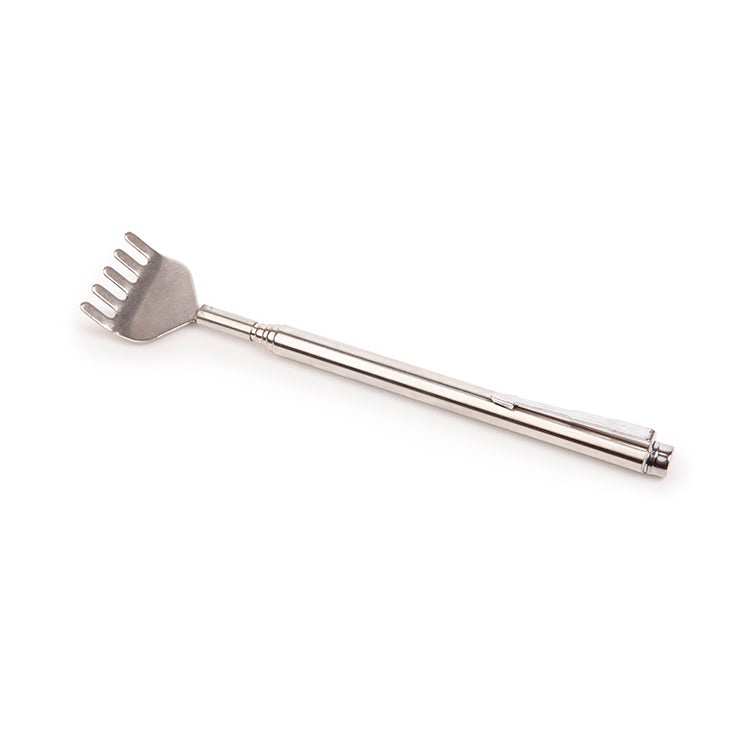
There is no one perfect style for everyone. The most common styles include long-handle scratchers, bear claws, rake-shaped heads, and electric options. Classic wooden types offer a bit of nostalgia and a natural touch. Metal options often last longer but tend to feel colder and look a bit less inviting on your bedside table.

Traditional

Modern

Key Features to Look For

Not every back scratcher is worth a spot in your home. Some look good on paper, but a lack of grip or a rough construction can show up the first time you use them. Here is what matters most:

  • Comfortable handle that does not slip, extra points for soft grips or non-slip rubber.
  • Scratch surface that is not too sharp, but offers enough pressure for relief.
  • Solid reach, telescoping handles are a plus if you need to switch from lower to upper back.
  • Durable material, wood, bamboo, or stainless steel are usually long-lasting if built right.
  • Easy to clean, avoid scratchers that trap lotion or dust in nooks where you cannot wipe them out.
  • Flexible design if you need to reach different spots; rigid if you want simple, direct pressure.
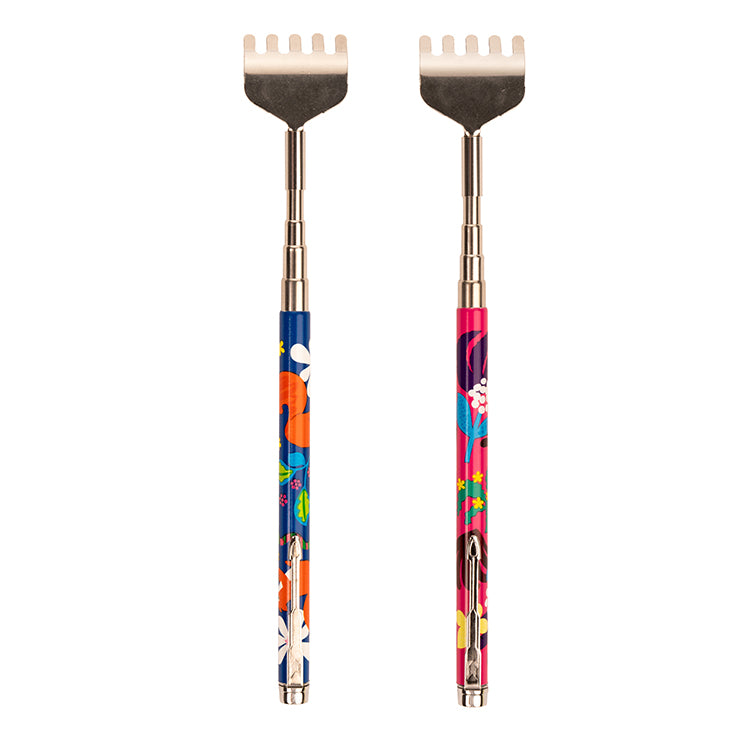
  • Appearance does not really change the function, but some people prefer a natural bamboo look over shiny silver.

Every hand is different, but almost everyone appreciates a scratcher that feels secure. Plastic options get a lot of bad reviews for breaking early, even with gentle use.

There is no reason to settle for a scratcher that leaves marks or feels like it catches on skin. Look for tips designed to smooth out the scratching action.

Common Problems With Cheap Back Scratchers

We probably see this a lot, cheap, plastic scratchers that barely last a week, or ones that are packaged as fun gifts but snap the first time someone uses them. Gimmicks can catch your eye, but rarely deliver if the scratcher cannot stand up to regular use.

Think twice before grabbing a multi-pack for a low price. Most end up in the trash, and buying several times does not save money in the long run. Also, foldable models can be great for storage, but if the folding joint gets loose, you may spend more time fixing than scratching.

Heavy metal options seem like a smart choice on paper, but too much weight makes them awkward, especially for people with weak wrists or mobility issues.

Look for reviews that mention real pain points, broken handles, tips falling off, or rough edges. People tend to be honest online when a scratcher disappoints.

How to Choose the Right Back Scratcher for You

How To Pick the Best Back Scratcher
There are a few steps anyone can take before buying to make sure their next back scratcher does what it claims.
Decide on Material
Wood and bamboo are classic and usually gentle, but metal is more durable and easy to clean. Plastic is light but tends to break faster.
Check the Reach
If your mobility is limited or your arms are short, a telescoping or extra-long handle helps a lot. Short handles might feel more natural, but are not as useful for reaching the lower back.
Look for Safety Features
Check pictures or reviews for sharp points or unfinished edges. A good scratcher should never draw blood or leave scratches.
Consider the Handle
Padded or rubberized grips stop slipping. Hard plastic handles can be tiring for anyone with arthritis.
Read Recent Reviews
Some brands change design or materials suddenly, so recent feedback shows what you will really get.
Decide if Portability Matters
Travel frequently or want to keep it in your office? Foldable or smaller choices fit better, but stability may drop.

Back Scratcher Comparison Table

TypeMain materialLength (inches)Handle styleAdjustable
Bear clawMetal8 – 24Padded gripYes
Bamboo rakeBamboo16 – 18Smooth naturalNo
Electric massagerPlastic15 – 18Molded plasticSometimes
Traditional woodenWood14 – 20Basic woodNo

Main Pros and Cons of Popular Back Scratchers

Positive
  • Relieves hard-to-reach itch quickly
  • Simple to use for anyone
  • Lightweight options for elderly
  • Often affordable and long-lasting
  • Doubles as massager for some users
  • Some fit in travel bags or purses
  • Stainless steel lasts longer than plastic
  • Many don’t need batteries or charging
Negatives
  • Some are too sharp or rough on skin
  • Cheap plastics can snap fast
  • Handles without grip slide in sweaty hands
  • Paint can chip on low-quality metal
  • Wood may splinter if unfinished
  • Adjustable joints may wear out
  • Bigger sizes can be hard to store
  • Head shape might not match every user’s needs

Cleaning and Maintenance Tips

It is easy to forget that back scratchers collect dead skin and dust. Always check for care instructions. Some metal or plastic ones can go in the dishwasher, but wood should only be wiped down with a damp cloth and dried fully. Letting it stay wet leads to mold or warping.

If you use lotion or oils on your back, consider keeping a separate scratcher. Build-up gunk is hard to clean, and your favorite scratcher may not last as long.

Regular cleaning helps extend the life of a scratcher and keeps your skin happier. Neglect it, and all those benefits fade fast.

When Is It Time to Replace Your Back Scratcher?

Even the best scratcher will not last forever. If you see bends, deep nicks, or notice it pulling at your skin, consider swapping out for a new one. Some people keep using the same one for years, even with rough tips or cracks, this is more out of habit than comfort. Replacing early keeps things hygienic and safer for sensitive skin.

A scratcher that loses tension or becomes unstable is no longer effective. Think about swapping out before it turns into a frustration rather than a relief.

Common Ways People Use Back Scratchers Wrong

It can sound silly, but many of the bad reviews come down to using a scratcher too hard or on bare, freshly showered skin. Some products include warning labels, but it all comes down to following a few tips.

  • Do not dig in, firm, gentle pressure is usually stronger than you think.
  • Avoid using over cuts, acne, or burns.
  • Store in a dry place, not in bathrooms with constant humidity.
  • Do not lend personal scratchers to others.
  • Always check the tips before first use for leftover rough patches.

Frequently Asked Questions About the Best Back Scratcher

What is the best material for a back scratcher?

Stainless steel and bamboo are both strong and durable. If you want a light but classic look, bamboo or wood feels warmer in the hand, but make sure it is smoothed and does not splinter. Metal holds up the best long-term. Cheap plastics usually break and are not good for frequent use.

How do you clean a back scratcher?

For plastic or metal, wipe with a damp cloth or use soap and water. Dry it fully after washing. Never soak wooden or bamboo scratchers; moisture can cause them to crack or mold.

Do telescoping back scratchers last as long as fixed ones?

Not always. The adjustable mechanism can loosen with regular use, and cheap models often wobble or collapse. If you want telescoping style, read user feedback closely to see how well it actually holds up over time.

Are back scratchers safe for everyone?

They are safe for most people, but avoid using over rashes, acne, or injuries. Anyone with thin skin should use gentler options and always check for splinters or rough edges.

How can I make my back scratcher last longer?

Do not use excessive force. Store in a dry place. Clean regularly, and tighten joints if you notice them starting to loosen.

Is there really a difference between a cheap scratcher and a good one? If you have struggled with a poor one in the past, maybe you have an answer already. Otherwise, why not try one with a more solid design next, your back will thank you.

Last update on 2026-03-16 / Affiliate links / Images from Amazon Product Advertising API

Daniel Murray
We will be happy to hear your thoughts

Leave a reply

ChooseRight.net
Logo