
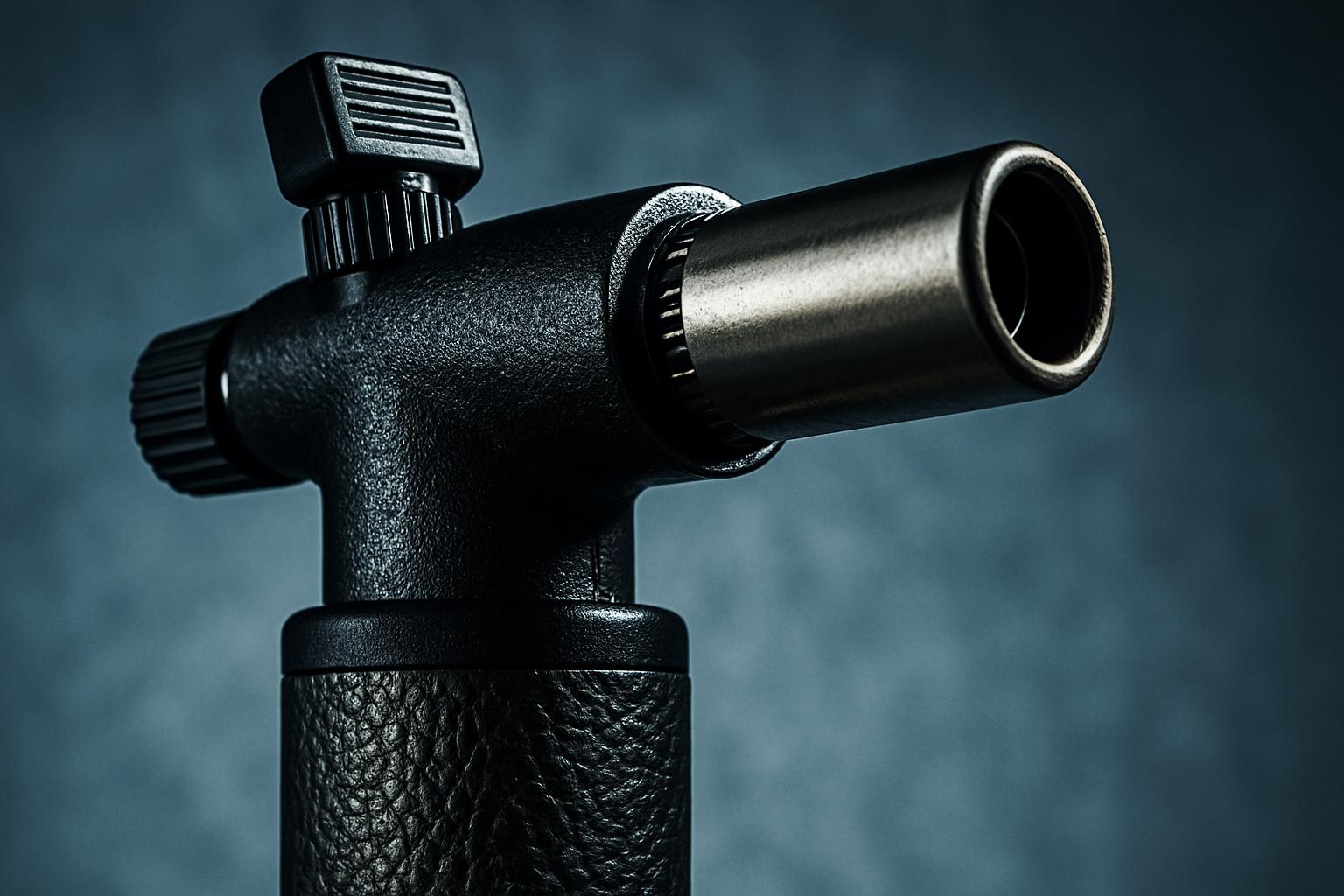
Finding the best dab torch can feel more complicated than expected. There are so many features, designs, flame types, and price points that it is easy to get lost in the choices. Not every torch works the same, and the wrong pick leaves you frustrated. You want something that works well, feels safe, and lasts. Here are our top selections for people who want a reliable torch, chosen from hundreds of real user reviews:
What Actually Matters When Choosing a Dab Torch?
Not every torch is created equal. Some struggle to hold a flame, others feel cheap in the hand, and a few are just awkward or unsafe. Thinking carefully about what you need before buying can save you time and disappointment.
A torch is not just a simple lighter - it is a tool, and the right tool makes dabbing safer, faster, and better tasting.
The worst experience is dealing with a torch that works fine for a month and then won’t light, or worse - starts leaking. But rushing into the priciest model is not always smart either.
Butane Quality vs. Torch Build
One factor people underestimate is butane purity. Cheap fuel clogs jets and ruins good torches. But even premium butane cannot help a torch built with flimsy joints or weak spark mechanisms. The sweet spot is a torch that combines good materials inside and out.
Key Features To Look For
Even basic torches now list endless specs. But most only a few features make a real difference over time:
- Material quality: Stainless steel or thick alloy resists knocks and drops.
- Ignition reliability: Piezo-electric sparking systems tend to outlast flint or friction lighters.
- Adjustable flame: Having control means you can heat different surfaces without burning them.
- Flame style: Some prefer a pencil flame for precision, others like a wider jet for bigger rigs.
- Fuel chamber size: Longer sessions mean fewer refills, but bigger tanks add weight.
- Safety locks: Worth it if you have pets or kids nearby.
Hands get tired fast holding a heavy torch - do not overlook comfort. Some are designed with a wide base so they can stand upright, and that matters if you set it down mid-session. But if space is an issue, a slim, pocketable model is easier to stash or pack.
How-To Block
Performance And Longevity
Most torches work fine straight out of the box. The real test comes after weeks of steady use. Weak seals, poor construction, and cheap sparking components are common failure points. Torches labeled as “kitchen” often lack the durability to survive everyday dabbing.
Regular dabbers need a torch built for repeated heating and quick cooling. A good torch lights every single time, even after a long week of use.
Some users notice issues only after a few months. Fuel leaks, sticky ignitions, or melting plastic handles can suddenly pop up. Brands that offer long warranties tend to have better build standards, but not always. Read through real buyer feedback to spot trends on problems such as stuck valves or hard-to-press igniters.
Common Problems With Dab Torches
Common issues include:
- Leaking butane or fuel smell after refilling
- Sparking but no flame (ignition failure)
- Weak or uneven flame that flickers too much
- Handles or switches that heat up dangerously
- Safety lock mechanisms jamming up
- Valve clogging from low-quality butane
Pay attention to what people complain about most in reviews. Some problems are user error, but others point to a flawed design that is best avoided.
Comparing Torch Styles
There are two main types: tabletop (for home) and handheld (portable). Each style has its benefits and drawbacks. For some, a small torch manages everything. For others, going bigger is simply easier.
| Type | Best For | Downsides |
| Tabletop Torch | Sessions at home, frequent use | Bulky, not pocket friendly |
| Handheld Torch | Travel, one-person sessions | Needs more refilling, less power |
Think about your space and routine. If you only use a torch alone, a small one is fine. If you share sessions with friends and need to keep up, a sturdy tabletop model makes more sense.
Cleaning And Maintenance
It is a good habit to check and clean your torch after every few uses. Butane quality matters a lot here - cheap fuel can block jets, and debris builds up over time. Most of the time, all it takes is a quick wipe with a dry cloth or a blast of compressed air. Some torches allow deep cleaning, letting you take the nozzle apart. This is not necessary for most, but can extend the life of higher-end models.
Tabletop Torches
Handheld Torches
Tabletop models give a stable, powerful flame and rarely tip over. Good for heavy use, longer sessions, or multi-person setups. Usually more expensive, but that extra size often pays off in reliability.
Handheld torches are lightweight and fit easily into travel bags. They heat rigs quickly but can be less stable standing up. Simpler to refill, but you will do it more often. Some people like to have one of each for flexibility.
Pros And Cons of Popular Dab Torch Features
- Fast heating times mean less waiting
- Adjustable flame gives more control
- Durable metal builds hold up over time
- Piezo ignition is dependable
- Wide base adds stability
- Larger tanks for group use
- Safety lock for peace of mind
- Comfortable grip reduces hand strain
- Fuel window helps avoid runouts
- Some allow deep cleaning
- Cheaper plastic torches feel flimsy
- Surface can get hot during use
- Refilling takes practice
- Some are heavier than expected
- Noisy jets can be distracting
- Some safety locks are tricky
- Fuel leaks from bad seals
- Weak igniters over time
- Cannot always control flame shape
- Limited warranty on many cheap models
- Somewhat expensive for premium ones
Buyer Mistakes To Avoid
There are a few common mistakes seen over and over from buyers, even experienced ones. These usually lead to replacing a torch quicker than expected, or regretting the money spent.
- Choosing the cheapest model (short lifespan, weak joints)
- Ignoring fuel compatibility - not all torches work with every butane can
- Picking size over comfort (heavy torches get annoying fast)
- Not reading real user reviews detailing issues
- Overlooking warranty length or customer support
Sometimes it is better to pause and consider what you really need. For instance, someone dabbing once a month has different needs than a daily user. A torch that feels oversize for one person makes sense for someone else. There is a lot of personal fit involved.
Frequently Asked Questions About Dab Torches
How safe are dab torches for indoor use?
Dab torches are safe for indoor use as long as you follow proper guidelines. Always use them in well-ventilated areas, do not point them at anything flammable, and never leave unattended while lit. Also, check for leaks after each refill to avoid accidental fires.
How long does a typical dab torch last?
A well-made dab torch often lasts several years, but very cheap models may fail after only a few months. The key is how often you use it and if you maintain it with quality butane and regular cleaning.
What is the difference between a torch for dabs and a regular kitchen torch?
Torches designed for dabbing typically have better flame control, stronger jets, and safer build quality than most kitchen-only torches. Many kitchen torches are meant for brief use, not the repeated high heat dabs require.
Do all dab torches use butane?
Most dab torches use butane, but some use propane. Butane models are safer for small spaces and portable use, while propane can be more powerful but is generally less convenient for indoor dabbing.
How do you refill a dab torch safely?
Start with a cool, empty torch. Align the nozzle of your butane canister with the torch’s fill valve, press and hold until a small amount of liquid escapes, then stop. Let it rest a few minutes before using. Never overfill and always check for leaks before lighting.
Is a bigger flame always better for dabbing?
Bigger flames heat up larger rigs faster, but can also waste butane or heat unevenly. Many users prefer a medium or adjustable flame to get consistent results. Try different settings before deciding what works for you.
With so many models out there, choosing the best dab torch feels overwhelming, but finding one that suits your needs pays off every time you light up. The right combination of power, safety, and feel is out there, what matters most for you when shopping for your next torch?