
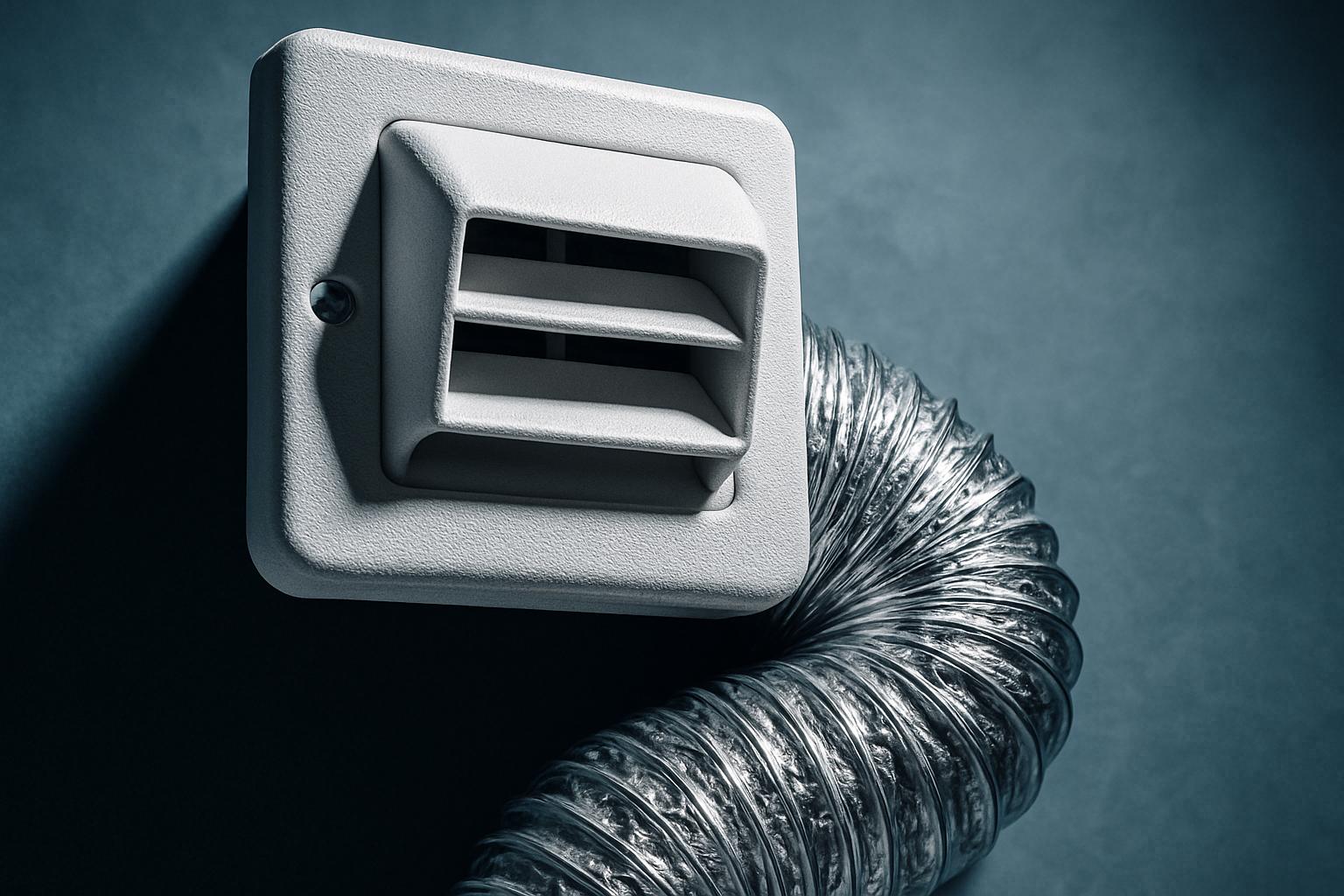
Trying to pick the right dryer vent can feel a bit more complicated than it looks. Between fire safety, efficiency, and all those different shapes and sizes, it is easy to second-guess what works for your home. There are more options than most people expect. Here are some of the top choices recommended after reading what users actually think:
What makes a dryer vent good?
Deciding what makes one dryer vent stand out over another usually comes down to a few practical points. The best vents control lint, prevent clogs, and let the dryer work without much back pressure. Some also help with noise, keep pests out, and even improve energy use. Not every vent is right for every dryer, though.
For example, the old flexible plastic ducts are a real hazard. They trap lint and catch fire more easily. Many people still use them, which is worrying. More on that later. Stiffer metal ducts usually bring fewer issues. Aluminum works, but semi-rigid or heavy-duty metal last longer, stay smooth inside, and resist crushing behind the dryer. Smooth walls are easier to keep clean and make for safer drying.
A good dryer vent cuts down on hazards and does not make the dryer work harder than it has to.
The vent cover outside the house also matters more than people think. Some are easier to clean or get less stuffed up with weeds and debris. Others do better with heavy rain or block squirrels and birds. A bad exterior vent lets cold draft in or allows critters to sneak inside the duct, which is not great for anyone.
Types of Dryer Vents Explained
There are three basic paths people use for venting a clothes dryer. Each has a place, but one works better than the rest for most homes. Sometimes the old solution is still around for a reason.
- Rigid metal ducts
- Semi-rigid metal ducts
- Flexible ducts (aluminum or vinyl)
Rigid ducts are the top pick for permanent jobs. They are smooth and do not kink as easily. Semi-rigid gives a bit more flexibility but can still crush if shoved behind the dryer. Flexible ducts, especially the thin foil or plastic kind, seem handy but trap lint quickly and do not hold up well.
The biggest danger with dryer vents is lint buildup. Lint creates a fire risk and lowers dryer performance at the same time. Make a habit of checking inside the vent every few months if possible. It almost always gets dirtier than people guess.
Key Features to Look For
Small parts make a big difference with dryer vents. Some vents come with self-closing flaps that keep weather out. Others are easier to snap together or have handy clamps for faster installation. The best dryer vents are simple, tough, and easy to clean out when needed.
If a vent cannot be cleared regularly, it is not a good fit. Maintenance should not need special tools or a repair call.
Here are some features that really work:
- Smooth interior with few ridges
- Strong exterior vent cap that seals well
- Backdraft damper or flapper
- Easy access for cleaning
- Compatibility with common duct sizes (usually 4 inches)
Another element is the length of vent needed. The farther the vent has to run, the less flexible material a person should use. Long ducts mean more pressure on the dryer, more trapped lint, and less energy efficiency. Some homes do not allow for short, straight runs , so check the dryer specs first before picking a vent type.
Installation and Maintenance Tips
Installing a dryer vent brings a few headaches. Joints need securing but not sealing with screws inside the duct (since they snag lint). Tape made for ducts , not standard duct tape , lasts longer. Connections to the dryer itself must fit snug, and the path should avoid sharp turns or kinks.
The more turns in a duct, the more lint and moisture hangs around. Always aim for the shortest, straightest path out.
Cleaning is another sticking point. Some exterior caps let you snap open the cover or pull out a piece for vacuuming. Others force a crawl around in cramped corners. Simple caps stuck to a wall may not seem glamorous, but they often do more good in the long run than fancy designs.
Common Problems with Dryer Vents
Dryer vents do not last forever. Over time, some problems show up again and again:
- Lint buildup (slows drying and raises fire risk)
- Crushed hoses behind the dryer
- Clogs from animal nests
- Rust or water damage
- Poor fit at exterior wall or window
- Drafts or backflow from outside
If clothes are taking longer to dry, it is almost always a vent problem. Even a small dip in airflow means wasted power and more wear on the dryer. That is easy to overlook until an actual problem shows up.
Comparison Table
Sometimes the best way to decide is by side-by-side comparison. Here is a simple table to keep track of what matters:
| Vent Material | Main Benefit | Typical Problems |
| Rigid Metal | Highest safety, smooth airflow | Higher price, tough to adjust in tight spaces |
| Semi-Rigid Metal | Flexible install, lower lint risk | Still crushes if pushed too hard |
| Flexible Aluminum | Cheap, easier to install | Traps lint, kinks easily, not for long runs |
| Plastic/Vinyl | Low cost | Major fire hazard, banned by most codes |
| Wall Cap/Exterior Flap | Keeps weather out, stops pests | Needs cleaning, cheap ones break quickly |
How-To Block: Steps for Picking and Installing a Dryer Vent
Who should not install a dryer vent?
Some situations call for a bit of caution. If the vent path is behind walls or runs a long distance, it may be smarter to get a pro. Rules for certain buildings even require licensed work, and using the wrong type of duct can void appliance guarantees, too. Even so, most people can handle short runs with a little patience and the right supplies.
Comparing Indoor and Outdoor Vents
Outdoor Vents
Indoor Vents
Outdoor dryer vents direct hot air and lint outside the house. They prevent moisture buildup and lower fire risk. Almost always the right choice for safety, but sometimes a pain to clean if mounted high up.
Indoor dryer vents are only used in rare cases, like apartments or temporary setups. They catch lint in a water tray instead of venting outside, but let a lot of heat and moisture into a room. Use as a last resort, and clean them very often. Not suitable for gas dryers.
Pros and Cons of Popular Dryer Vents
- Rigid ducts resist crushing
- Lower risk of lint buildup
- Boost dryer performance
- Last longer with less fuss
- Several vent cap styles for pests/rain
- Some models easy to clean from outside
- Better compliance with safety codes
- Higher cost than flexible
- Harder to fit behind tight dryers
- Metal edges can be sharp
- May need new hole in wall
- Some covers not bird-proof
- Takes time to install properly
- Can rust if exposed to water
Buyer’s Guide: What Matters Most?
There is more to buying a dryer vent than just grabbing the first box off a shelf. Start with your dryer’s model and manual , about half of user complaints online are about picking a vent that does not fit. Check the diameter. Almost all home units use 4 inch ducts, but not every product measures exactly the same.
If energy use is a concern, pick something that will keep airflow high and block outside air. Homes in colder climates see big drafts from cheap wall caps with thin flaps. In busy laundry rooms, the cleaning process needs to be quick and mess-free, or else the vent ends up ignored for months.
The flashy features (like magnetic covers or see-through ducts) look tempting, but most are not worth the trouble. Simple usually wins. Even the expensive models cannot make up for a vent that kinks or clogs quickly.
Things Everyone Misses During Installation
- Forgetting to secure the vent cap to the wall
- Letting the vent dip and collect water
- Ignoring dryer’s minimum clearance spec
- Using sheet metal screws inside the vent
- Not sealing leaks around cap
- Routing vent up instead of straight out
Frequently Asked Questions: Best Dryer Vent
What type of dryer vent is the safest?
Rigid metal ducts are the safest choice. They resist crushing, do not trap lint, and meet building code rules. Flexible vinyl and plastic ducts are much riskier and not recommended.
How often do you need to clean a dryer vent?
Clean a dryer vent at least twice a year. More often if you notice slower drying or extra heat on the dryer’s surface. If you have pets, you may need to check more regularly since their hair gets trapped too.
Can a dryer vent go straight up through the roof?
Dryer vents can run upward if needed, but horizontal runs work better overall. Roof vents are more likely to clog due to rain, leaves, or ice. If you stick with a roof path, plan to check and clean more often.
Do dryer vents fit all dryers?
Most home dryers use a 4-inch diameter vent, but double-check the manual before buying. Some apartment-sized or older models may use a smaller size.
Should indoor dryer vents be used for gas dryers?
No. Indoor dryer vents are not safe for gas dryers because they let carbon monoxide into the room. Always vent gas dryers outside only. Electric dryers may use indoor vents, but only as a temporary fix.
If there is one thing to remember, a simple vent that does its job quietly is better than a fancy design that adds extra work. What is the one feature you care about most for your laundry setup , peace of mind, or less cleaning? Sometimes it is not possible to get both at once.