
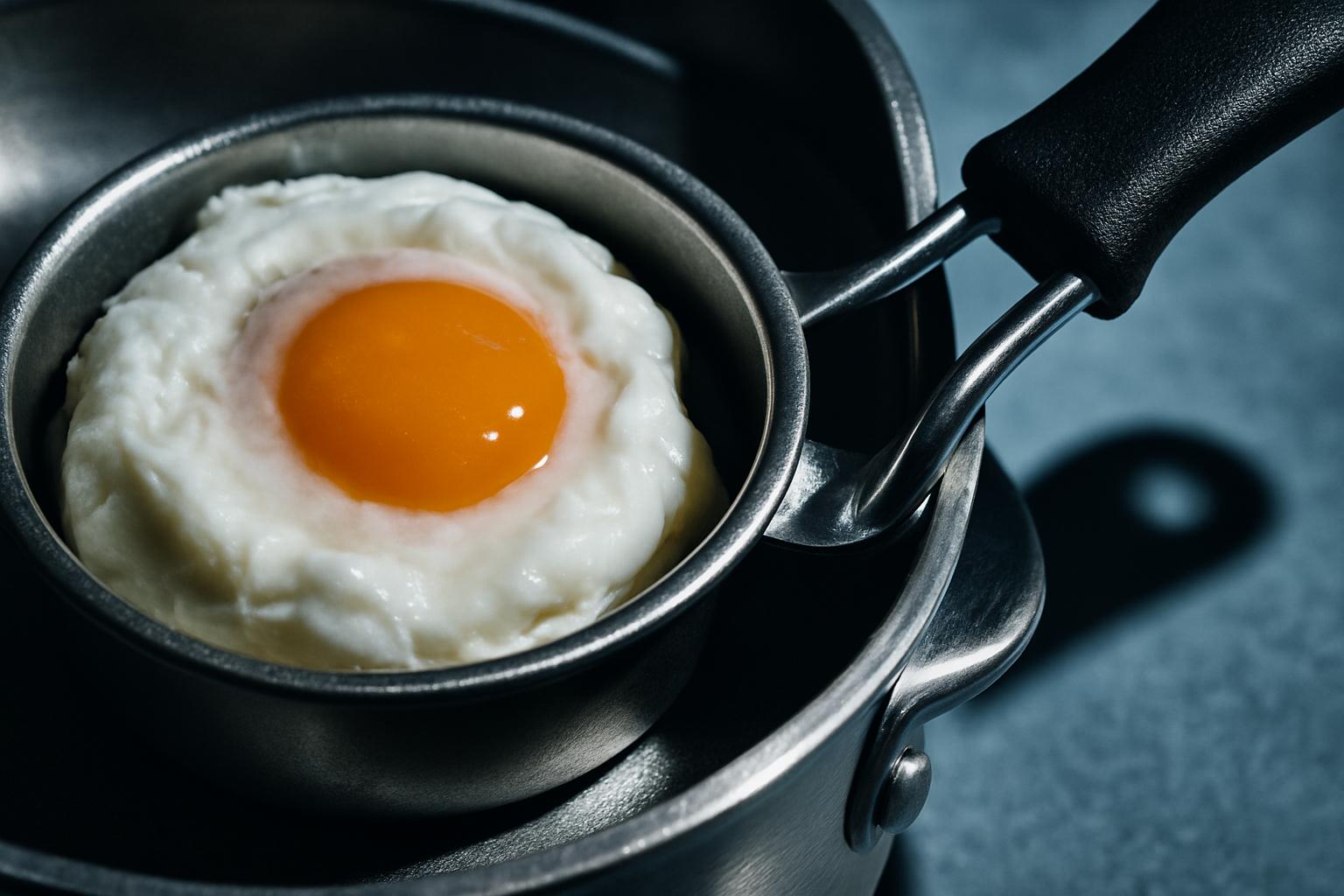
Finding a reliable egg poacher can be a bit more frustrating than expected. From mushy whites to stuck yolks, nobody enjoys scrambling around with trial and error. Picking the right tool really makes breakfast easier and less messy. Some work well on the stovetop, others belong in the microwave, but matching them to your kitchen needs is what matters most. Here are the top choices suggested after digging into real user feedback:
What to Consider Before Choosing an Egg Poacher
With so many models available, knowing exactly what impacts the cooking process helps make a smarter decision.
Types of Egg Poachers
The first thing most ask is which kind matters more , is a microwave version simpler, or is the traditional metal insert worth the space in your cupboard?
- Stovetop inserts for saucepans work by steaming eggs in trays.
- Electric countertop machines automate water levels and cooking time.
- Microwave units offer speed and fit for small kitchens.
- Silicone cups float in boiling water and are easy to clean.
Each style solves a different problem. If you have limited counter space, a quick microwave cup might make more sense, but those looking for precise results often prefer the traditional metal or electric versions.
Steaming provides smooth, evenly cooked whites, but silicone may be easier to store and clean when space is limited.
Capacity
Are you poaching one egg each morning or prepping breakfast for a family?
Some trays are built for a single egg, which cuts down cleanup but slows things when cooking for more than one person. Electric versions or multi-cup inserts save time for batch cooking.
Material Quality
Material has an impact on durability, safety, and the actual taste of eggs.
| Stainless Steel | Lasts a long time with no plastic leaching. Handles direct heat well, often dishwasher safe. |
| Silicone | Lightweight, flexible, easy to store. Nonstick if high-quality, but requires real care with strong detergents or abrasive sponges. |
| BPA-Free Plastic | Good for microwaves and less prone to damage, but should be checked for potential warping after repeated use. |
Metal brings the most consistent results, but many appreciate silicone for hassle-free cleaning.
Ease of Cleaning
No one wants to scrub away crusted eggs. Dishwasher safe is the easiest, but even some nonstick units end up needing hand washing to avoid wear. Beware of tiny nooks or holes that can trap yolk and smells. Go for simple shapes and removable inserts if possible.
Cooking Control
The appeal of poached eggs is the runny yolk. Unfortunately, some devices treat all eggs the same. Adjustable heat, timer options on electric models, or see-through lids help judge doneness. Quick tip: Testing with one egg first can help, since every device cooks a little differently.
How-To Block: Getting Poached Eggs Right Every Time
What Makes a Good Egg Poacher?
It might seem like all poachers should do the same thing, but small differences separate the average from the exceptional.
A good poacher cooks eggs evenly without much guesswork, resists stains, and handles daily use without falling apart.
There is plenty to think about, but here are traits that often mean fewer headaches during breakfast:
- Even heating surfaces that cook eggs through without overcooking yolks.
- Handles or grips that stay cool and are easy to hold.
- Nonstick trays or cups for easy release and less mess.
- No loose or hard-to-reach parts that make cleaning harder.
- Flexible capacity to work for one or several eggs at once.
- Materials that do not absorb odors.
- Simple instructions and clear water level marks.
Adjustability always wins, but sometimes it is the more basic, sturdy design that lasts longest. A modern look is nice, but reliability should take priority.
Comparing Egg Poacher Types
Stovetop and Electric
Microwave and Silicone
Stovetop inserts and electric models suit batch cooking. Expect better egg shape, tender whites, and reliable results with a bit more cleanup time. Some require mastering timing, but can outlast other options when cared for properly.
Microwave poachers and silicone cups excel for one or two eggs. They are quick, compact, and fit city apartments. There is a learning curve for doneness, and some eggs may turn rubbery at first. Less durable than metal, but easier to store.
Pros and Cons of Different Egg Poacher Designs
- Easy to use designs make breakfast less stressful.
- Stovetop and electric models produce reliable results.
- Microwave versions cook quickly with little prep.
- Nonstick trays reduce cleanup and stickiness.
- Handles or holders prevent burns.
- Affordable options fit nearly any budget.
- Durable materials last longer in regular use.
- Versatile: some can steam vegetables too.
- Dishwasher safe for fast cleaning.
- Some models only hold one or two eggs.
- Microwave versions may produce uneven texture.
- Silicone can stain or tear if mishandled.
- Lids or trays may warp with repeated heat.
- Not every unit fits all pot sizes or microwaves.
- Metal trays may rust if not dried.
- Plastic cups risk melting if overheated.
- Instructions are unclear with some products.
- Timers or indicators can break or be unreliable.
Buying Guide: What Matters Most When Picking the Best Egg Poacher
Spending on a poacher should save time in the long run, not create more headaches. See if the following tips line up with your daily breakfast needs before making a decision.
- Decide how many eggs you want to poach at once. Large families may need a tray or electric model.
- Check for dishwasher safety if you want faster cleanup.
- Look for a transparent lid to track doneness without interrupting the process.
- If you have sensitive hands, prioritize handles that stay cool during use.
- Compact units fit small kitchens or travel. Bulky options suit frequent, large meals.
- Quality nonstick coatings often mean less waste and faster cleanup.
- Price does not always reflect results, but higher quality materials often cook more evenly.
Some people prefer the taste and shape from traditional steaming. Others want eggs cooked as fast as possible. There is no absolute best style, but matching features to your specific needs avoids disappointment later.
FAQ About Egg Poachers
Egg poaching does not need to be stressful or left only for restaurant chefs. Each kitchen is different, but picking the right device can make any breakfast feel special, even during the busiest mornings.