

START HERE
The short answer
Chicory root fiber commonly supplies inulin-type carbohydrates added to foods. It contributes to the labeled fiber total, but the ingredient name does not tell you the exact dose or how comfortably you will tolerate a particular snack.
- Read fiber per serving alongside the ingredient list.
- Do not assume all a bar's fiber comes from chicory.
- A sudden increase in fiber can cause discomfort.
What chicory root fiber is
Chicory is a plant whose root is used commercially as a source of inulin. BENEO, an ingredient manufacturer, describes extracting inulin with hot water and producing shorter-chain oligofructose from it. These ingredient names describe related carbohydrates, not three unrelated food groups.
The useful shopping distinction is between an isolated ingredient added to a bar and eating a whole food. A bar can contain grains, nuts and added chicory fiber together. Seeing a plant name on the wrapper does not reveal the complete recipe or establish that the snack will solve a digestive problem.

Sources: BENEO technical description of chicory fibers; FDA dietary fiber labeling guidance
Read the label in two places
The ingredient list tells you what was used; the Nutrition Facts panel tells you the total dietary fiber in a serving. FDA guidance addresses inulin and inulin-type fructans in dietary-fiber labeling, but a package rarely states how many grams come from each individual source.
For example, a bar listing oats, nuts and chicory root fiber may contain fiber from more than one ingredient. Do not assign the entire fiber number to chicory or compare two bars by the position of that ingredient alone. Check whether the serving is one bar, two pieces or another quantity.

| Label detail | What it tells you | What it does not establish |
|---|---|---|
| Dietary fiber grams | Total fiber per stated serving | Exact grams of chicory-derived fiber |
| Ingredient list | Named ingredients in the formula | Your personal tolerance |
| Serving size | Amount used for the nutrition panel | An amount everyone should eat |
Sources: FDA dietary fiber labeling guidance; FDA Nutrition Facts guidance
Amount matters across the day
A single snack is only part of your intake. If you add a fiber bar, a fiber-enriched drink and a supplement at the same time, it becomes difficult to know which change is responsible if you feel uncomfortable. Read all of those labels rather than treating each product in isolation.
FDA's standard Daily Value for fiber is a labeling reference, not a personal prescription. A larger number on one wrapper does not automatically make that bar the better purchase. Portion size, the rest of your meals and any individual dietary advice all belong in the decision.

Sources: FDA Nutrition Facts guidance; NIDDK dietary changes and individual tolerance
Consider tolerance before making a large change
NIDDK explains that increasing fiber too quickly can cause gas and bloating, and that people with IBS may need individualized dietary changes. This does not mean every person must avoid chicory fiber, nor does it mean every fiber-containing bar will be comfortable for everyone.
If you already follow a clinician-directed diet, check a new product against that advice. Persistent symptoms deserve professional assessment rather than repeated experiments with increasingly high-fiber snacks. A reviewer's report of feeling better or worse cannot predict your response or identify the cause of your symptoms.
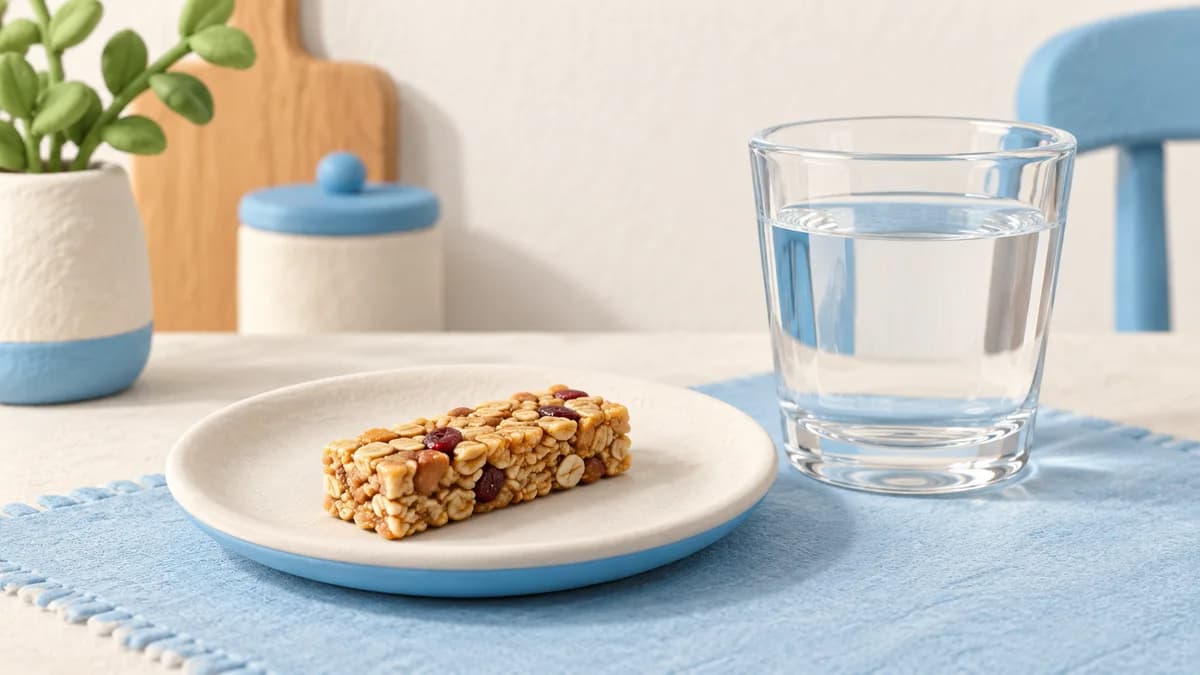
Choose the complete snack, not a single ingredient
Compare the bar's texture, allergens, sugar or sweetener ingredients, protein and package size as well as its fiber. Someone who wants a small sweet snack may make a different choice from someone looking for a larger protein-style bar. Neither decision can be made from the chicory wording alone.
Start with a manageable package if the formula is unfamiliar. Keep the wrapper while comparing labels because recipes can change, and online listings sometimes show an older nutrition panel. Our fiber-bar guide separates current label facts from limited customer taste comments.

- Confirm the serving size and current fiber amount.
- Check allergens and other ingredients you avoid.
- Avoid changing several fiber products at once.
- Treat symptom claims in reviews as anecdotes, not treatment evidence.
Sources: FDA Nutrition Facts guidance
Common questions
Is chicory root fiber the same as inulin?
Chicory root fiber commonly supplies inulin and related inulin-type fructans. The exact ingredient wording and formulation can differ.
Can I calculate its dose from total dietary fiber?
Usually not. Total dietary fiber may include several ingredients, and the label may not disclose their separate contributions.
Does a prebiotic claim guarantee digestive comfort?
No. A product claim does not predict individual tolerance or make a snack a treatment for symptoms.
PUT IT INTO PRACTICE
Compare your options
Compare complete snack labels, portions and customer-feedback limits.
Compare fiber barsSources and editorial approach
ChooseRight researched the sources below to explain the topic and its practical trade-offs. Examples are illustrations, not results from our own product testing. Sources checked October 28, 2026. Artwork is AI-generated for explanation and does not document hands-on testing.