

START HERE
The short answer
Lye relaxers commonly use sodium hydroxide. Some no-lye kits combine calcium hydroxide with a guanidine-carbonate activator. No-lye is not a promise of no irritation or damage; compatibility and the complete label matter more than the category name.
- No-lye does not mean chemical-free or suitable for every scalp.
- A kit, ready-to-use jar and professional system are not interchangeable.
- Do not overlap previously relaxed hair or improvise processing instructions.
Start with the actual chemical system
Avlon lists sodium-hydroxide and guanidine-hydroxide professional systems within its relaxer range. ORS provides a concrete example of a two-part no-lye kit: a calcium-hydroxide base and a guanidine-carbonate activator. These examples explain why the mixing step can differ between products.
No-lye is a category description, not a complete ingredient list. Read the current box and insert for the exact product, including any separate activator. Never mix components from different kits or assume that every jar is ready to apply.

Sources: ORS: No-lye relaxer ingredients and kit; Avlon: Affirm professional relaxer systems
Separate scalp comfort from hair results
FDA warns that hair relaxers can harm the skin, hair and eyes. A product advertised for a sensitive scalp still needs its full precautions followed. Burning is not evidence that a relaxer is working well, and a customer who tolerated a formula cannot establish your tolerance.
If your scalp is irritated or your hair is breaking, postpone the purchase decision and discuss the situation with a qualified professional. A strand assessment can help assess hair response when directed, but it does not make an unsuitable scalp ready for treatment.

Sources: FDA: Hair dyes and hair relaxers; Avlon: Affirm professional relaxer systems
Bring your complete hair history
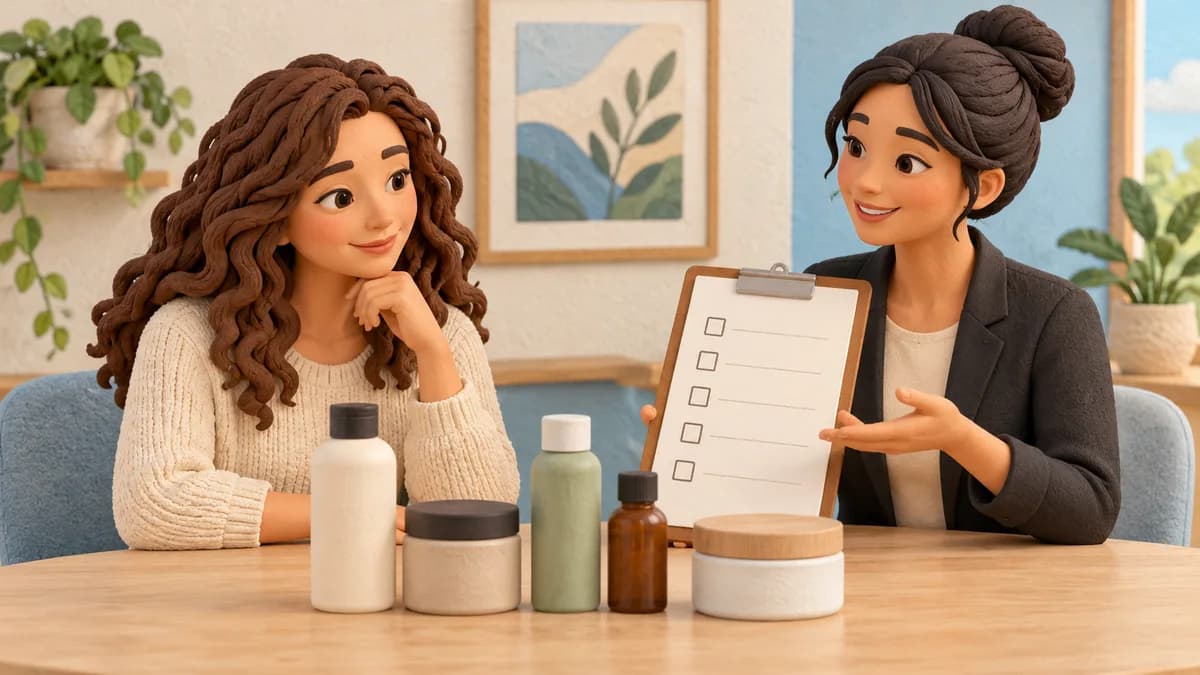
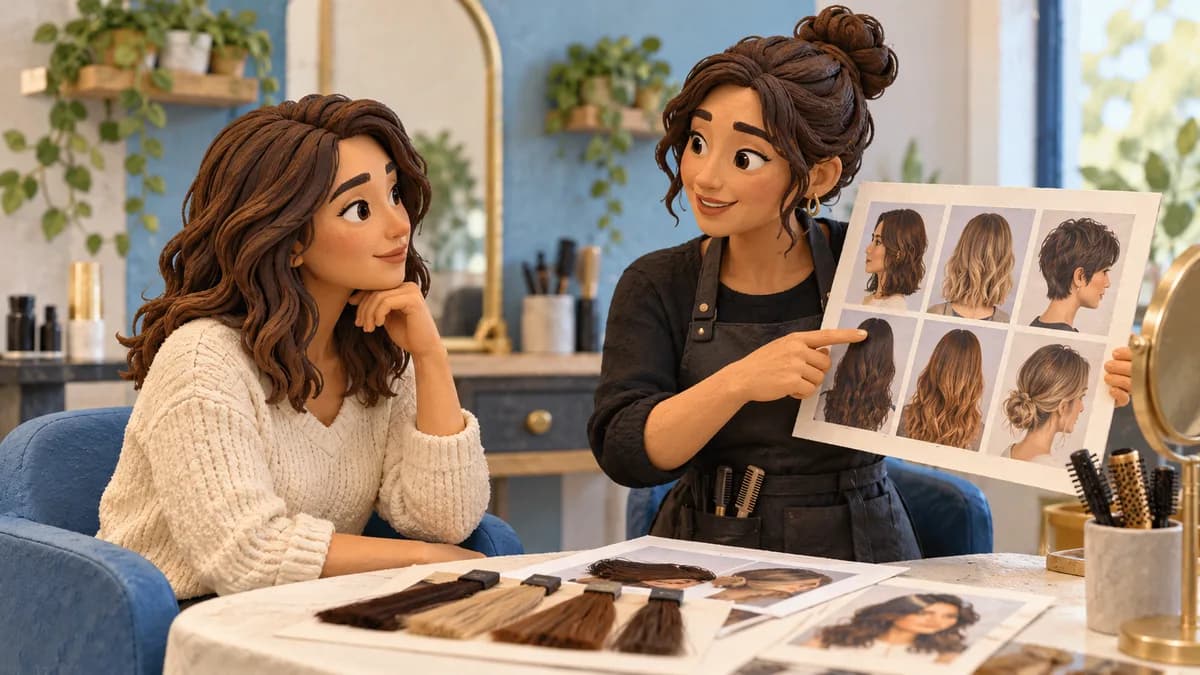
Tell your stylist about previous relaxing, coloring, lightening and other straightening services, even when the treatment has faded or the roots have grown. New growth and previously treated lengths are different starting points. A new box does not reset the hair already processed.
Check the product restrictions rather than assuming that changing from lye to no-lye is automatically safe. If you cannot identify the earlier treatment, get professional advice before applying another chemical system. Do not use a comparison article to override a label exclusion.
Sources: FDA: Hair dyes and hair relaxers; Avlon: Affirm professional relaxer systems
Follow a complete system, not a shortcut
FDA advises following the directions, wearing gloves and not leaving a relaxer on longer than instructed. Neutralizing and other required aftercare steps belong to the process, so confirm the needed products are available before starting. A standalone tub may not include them.
A hair strand test and a skin allergy test are not the same procedure. Do not copy hair-dye patch-test advice onto a caustic relaxer. Use only the tests and preparation described by the exact relaxer instructions, and stop and rinse as directed if a reaction occurs.

Sources: FDA: Hair dyes and hair relaxers; ORS: No-lye relaxer ingredients and kit
Make the decision before opening the kit
Choose a system only after matching its intended hair type, restrictions and application requirements. Professional-only products should remain part of a professional service. Buying a larger container does not provide the assessment or technique needed to use it.
Our guide compares the practical differences between specific formats. It does not rank their medical safety or promise a particular straightness result. Take the shortlisted product name to your stylist when hair history or compatibility remains uncertain.
| Question | What to check |
|---|---|
| Do I know my previous treatment? | Identify it before selecting another chemical system. |
| Is everything included? | Check activator, neutralizer, gloves and required aftercare. |
| Is it intended for home use? | Respect professional-only labeling. |
| What result am I expecting? | Discuss a realistic result for your hair rather than choosing maximum strength. |
Sources: Avlon: Affirm professional relaxer systems; ORS: No-lye relaxer ingredients and kit
Common questions
Is no-lye gentler for everyone?
No. The name does not establish that it will suit your scalp or prevent damage. The exact formula, hair history and application matter.
Can I switch relaxer types myself?
Do not assume compatibility. Check the complete instructions and discuss previous treatments with a qualified stylist before switching.
Does a no-lye kit need mixing?
Some do, including the ORS system discussed here. Other products differ, so follow the instructions supplied with your exact product.
PUT IT INTO PRACTICE
Compare your options
Compare kit contents, formula types and important application limits before choosing a product.
Compare five hair-relaxer formatsSources and editorial approach
ChooseRight researched the sources below to explain the topic and its practical trade-offs. Examples are illustrations, not results from our own product testing. Sources checked October 28, 2026. Artwork is AI-generated for explanation and does not document hands-on testing.