
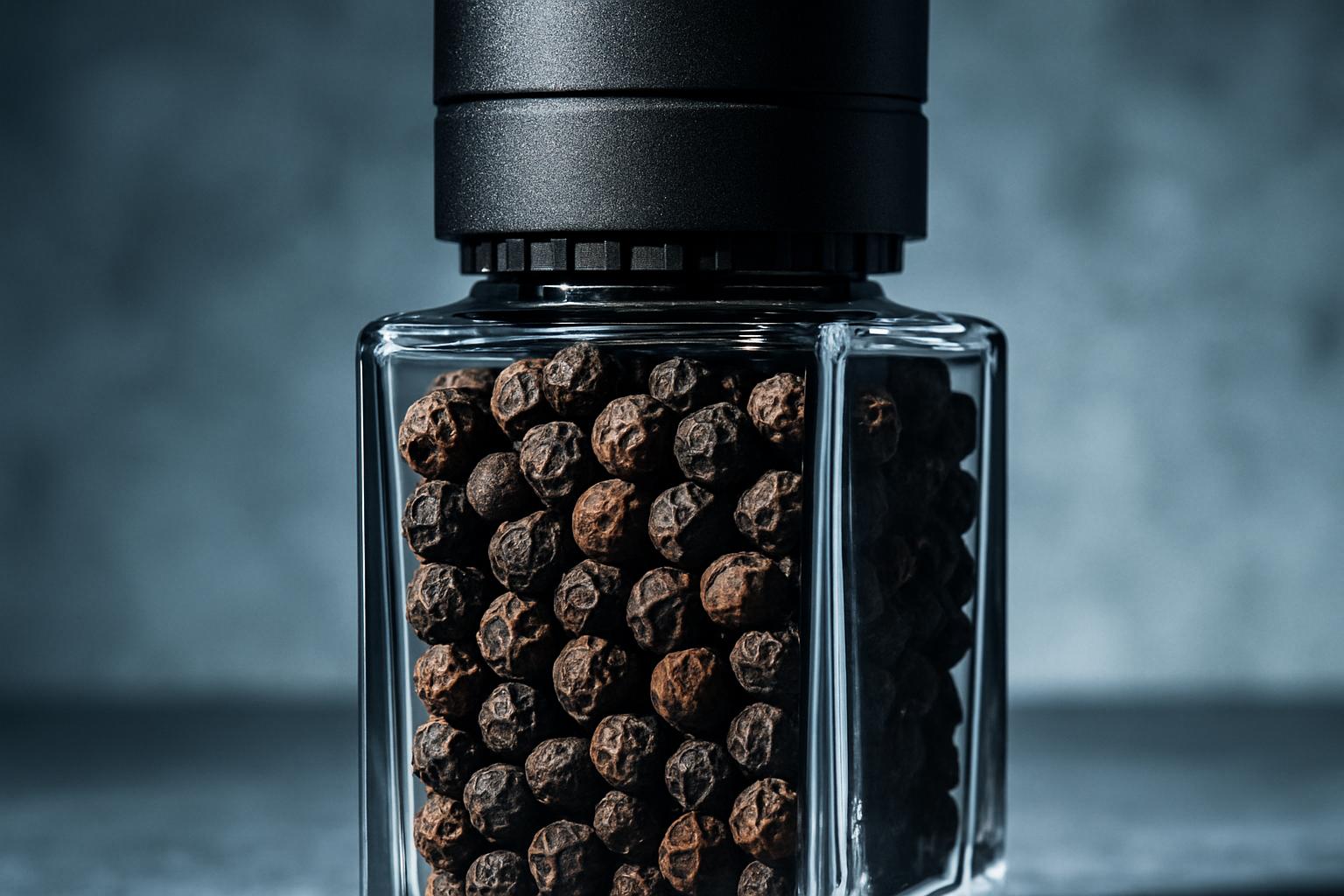
Finding the best peppercorns can be surprisingly challenging. Great flavor depends not just on what type you choose, but on freshness, how it was processed, and even where it was grown. Some are mild, some are sharp, some are earthy, and some are a bit floral. Sorting it all out can feel overwhelming. If you want that perfect snap of heat and depth in your cooking, small details make the difference. Below are some standout choices picked from user feedback and trusted reviews:
What Makes a Good Peppercorn?
There is a lot more to peppercorns than meets the eye. Size, aroma, oil content, how they are handled , all play a role in the final result. Here is what sets apart the best peppercorns from the rest:
Quality peppercorns have a powerful aroma when cracked. If the scent is weak or musty, flavor in the dish is likely to disappoint.
The best options deliver a clear, peppery heat along with other subtle notes. Some almost taste fruity, while others lean a bit smoky or even herbal. Origin also matters. For example, Malabar or Tellicherry varieties are grown in India, and both are often praised for boldness.
Uniform size makes a difference too. Odd-shaped or broken pieces are usually a sign of lower grade, which can lead to uneven flavor and even damage to your grinder. Whole, unbroken peppercorns are always the goal.
| Characteristic | Why It Matters |
| Freshness | Freshly packed peppercorns release more volatile oils and flavor |
| Region | Some regions produce a more robust or nuanced taste |
| Size | Larger, plumper peppercorns usually mean more flavor |
| Appearance | Glossy, uniform peppercorns tend to be fresher and higher quality |
| Scent | A strong, spicy aroma is a good sign |
Types of Peppercorns You Might See
Not all peppercorns are the same, even when they come from the same plant. Processing methods are key. Here is a breakdown:
- Black Peppercorns - Harvested when almost ripe, dried until dark and wrinkled. Most common and sharpest in flavor.
- White Peppercorns - Ripened further and stripped of outer skins. Milder heat and less complex.
- Green Peppercorns - Picked unripe, softer and more herbal tasting. Great for lighter dishes.
- Red Peppercorns - Rare, fully ripened, these can have sweet or fruity notes.
Each brings something different. Black peppercorns are almost always safe, but sometimes a dish needs the more subtle qualities of white or green options. It is worth trying a few varieties if you enjoy experimenting in the kitchen.
Signs of Superior Quality
A few simple checks can help spot good peppercorns. Many brands claim quality, but sometimes things get lost once the jar is open. Here are a few things experienced cooks look for:
If peppercorns are too light, they may be old. High oil content gives them a bit of heft in your hand and makes taste more intense.
Another way to check for freshness is to crack a few and give them a sniff. A sudden burst of aroma usually means a fresh supply. If the scent seems flat, or just faint, flavor will be lacking.
Packaging also makes a difference. Peppercorns stored in airtight containers keep their flavor longer. Some smaller packages, especially those with resealable lids, tend to hold up better over time.
Different Grinds For Different Dishes
This seems like a small thing, but it makes a big impact. The same peppercorn ground coarsely versus finely can offer very different results. For steak, a rough grind works well. For sauces, a fine powder distributes heat more gently. Think about how you will use them before buying.
Thinking through these small steps will help avoid disappointment. It is frustrating to spend extra on something fancy, only to find the taste unremarkable.
Storage Tips That Really Affect Flavor
Peppercorns react to air, humidity, and light. Even the best batch loses flavor if stored poorly. Learning how to handle them is just as important as picking the right variety or grind size.
Some cooks swear by sealing jars with a vacuum system, but even a simple twist-tight glass jar is worlds better than flimsy little bags. The less air, the better. It is worth re-using spice jars for this purpose.
Whole vs Pre-Ground: The Real Difference
It might sound old-fashioned, but grinding your own pepper makes a dramatic difference. Pre-ground pepper can lose its flavor in only a few days or weeks. Whole peppercorns keep flavor locked in much longer. If you want to get the most from your investment, stick with whole, and use a grinder adjusted to your liking.
Common Problems and Mistakes to Avoid
Sometimes the choice gets confusing, or things just do not work out as planned. For example, not every grinder works with every type of peppercorn. Some are too soft, others too hard, and that can wreck your equipment.
If your grinder jams or struggles, check the recommended pepper types listed by the manufacturer before switching to an unusual variety.
Another thing to keep an eye on is possible contamination. Sometimes little stones or grit end up mixed with the peppercorns, especially in cheaper or bulk packages. Pour a handful out and check before filling your grinder.
Whole Peppercorns
Pre-Ground Pepper
Whole peppercorns keep flavor longer and can be ground to any desired texture. They take more effort, but the reward is a more complex flavor delivered fresh for every dish.
Pre-ground pepper is more convenient and fast. Flavor starts to fade faster once the package is open, so it is best for those who use it up quickly or are less concerned about peak taste.
Best Peppercorns: Pros and Cons of Popular Features
- Rich aroma when freshly cracked
- Uniform shape and color
- Available in several sizes
- Seal-tight packaging for longer freshness
- Often offered in sample or multi-variety sets
- Sourced from known pepper-growing regions
- Strong user feedback on flavor
- Premium price over standard bulk
- Some specialty types only available online
- Taste can vary from batch to batch
- May include small debris in rare cases
- Larger peppercorns can jam cheaper grinders
- Flavor too strong for mild dishes
Who Should Consider Trying Something New?
If pepper has started to taste like nothing at all, or if everything seems to need more and more to make a difference, switching up the variety will make meals interesting again. Even home cooks who have always used one style might find the change worth it. A small experiment can lead to discovering a favorite you never expected. Some go back to the basics, some chase after single-origin lots. Not every batch is life-changing. Still, those little moments of fresh, vivid heat are worth the search , at least, that is what many find.
Frequently Asked Questions About Best Peppercorns
What is the best way to store peppercorns for maximum freshness?
Store peppercorns in a cool, dry place in a sealed container. Avoid exposing them to heat or light for extended periods; this helps to keep flavor intact.
Are there different peppercorns for grinders and for cooking directly?
Most whole peppercorns work in grinders, but larger or softer varieties might jam some models. Always check grinder compatibility before buying. Some peppercorns can be used whole in stews or brines as well.
What country produces the best peppercorns?
India, Madagascar, and parts of Southeast Asia are known for high quality peppercorns. Tellicherry and Malabar are popular names for Indian-grown peppercorns prized by many chefs for their strong aroma and full taste.
What are the best peppercorns for steak?
Some people think Tellicherry black peppercorns provide the best bold flavor for steak. Their size and oil content allow for a strong, distinct crust after grinding. Green or white peppercorns tend to be too mild for beef.
How long do the best peppercorns keep their flavor?
If you keep them in a tight, cool, dry container, whole peppercorns can keep flavor for several years. Once ground, use within a few weeks for peak taste. Light, heat, and moisture reduce shelf life.
Trying different peppercorns might take a little extra effort, but the changes in your everyday meals could surprise you. If you ever wondered whether it is worth the switch, it usually is , once you find the right one for your kitchen. Have you noticed a difference in taste after changing your pepper? Do you stick with one kind, or do you prefer to experiment whenever you get the chance?