
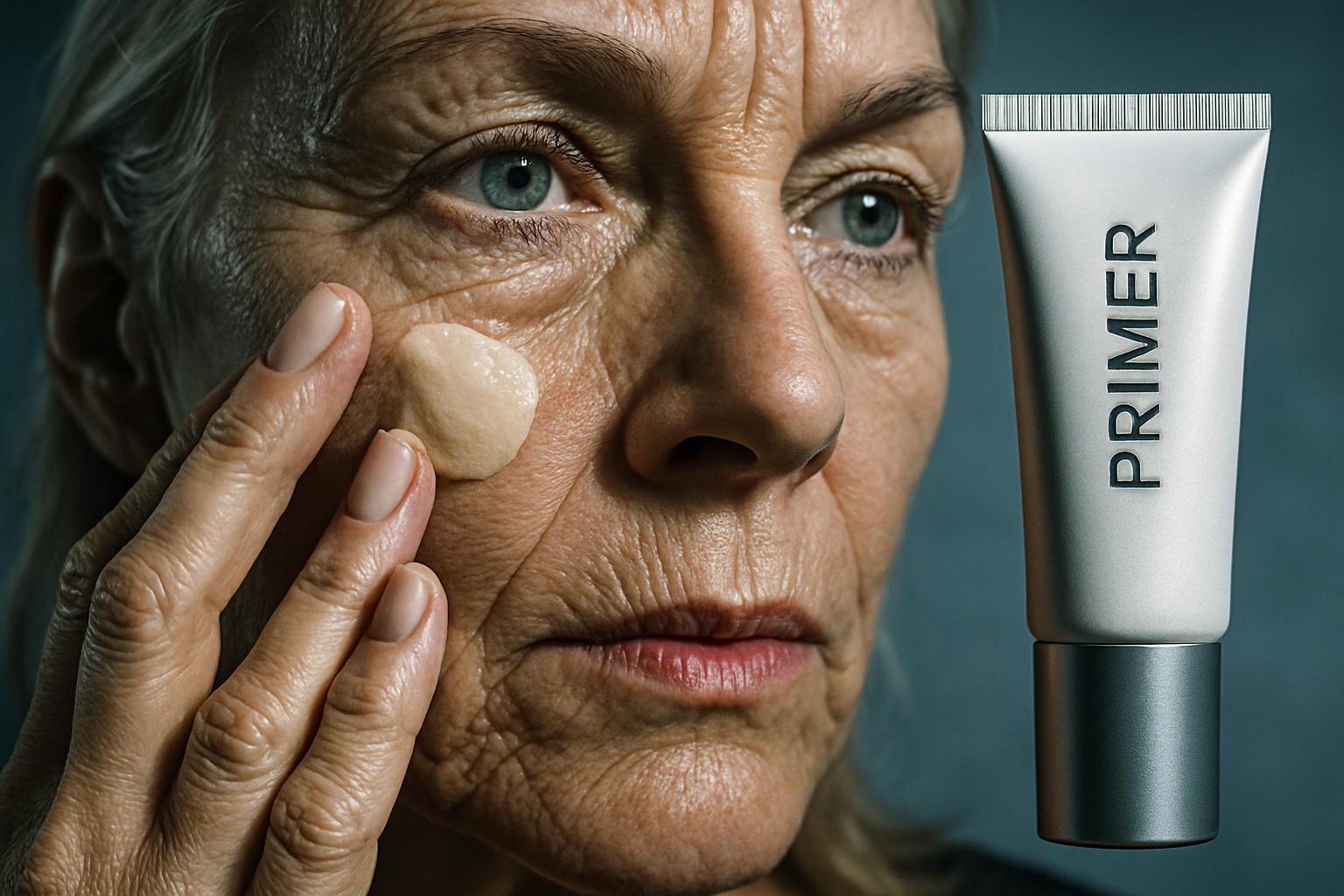
Finding a primer that truly softens the look of wrinkles can feel overwhelming. There are so many options, but not all of them deliver smooth, natural-looking results. If you have struggled with primers settling into lines or not lasting all day, you are not alone. We tested many to see what really works for aging or textured skin. Below are the best choices for blurring, smoothing, and boosting your routine, based on real-world testing and user feedback:
What Makes a Great Primer For Wrinkles?
Aging skin has challenges that younger skin rarely faces. Fine lines, creasing, dryness, and sagging can all undermine how makeup looks. The right primer will not erase wrinkles, but it should soften their appearance and help everything applied next last longer and look more even.
A primer that is too heavy or dense may sit in lines and make them more noticeable. The best formulas should feel lightweight and flexible, never cakey.
Ingredients play a big role. Silicones like dimethicone are popular because they fill and blur. Some prefer hydrating or treatment-based primers that include hyaluronic acid or peptides. Shimmer or light-diffusing particles can also help reflect light away from lines.
Keep in mind, what feels perfect on one person’s skin may not on another. Skin texture, oiliness, and how deep the wrinkles are all shape what works best.
How Wrinkle Primers Differ From Regular Primers
Regular primers usually focus on oil control, mattifying, or gripping foundation. Primers marketed for aging skin add benefits like:
- Blurring and filling lines for a softer finish
- Adding hydration to plump skin
- Smoothing uneven texture without settling into creases
- Reflecting light for a more radiant look
- Helping makeup resist sliding into deep wrinkles
Some primers can do all these things, but most focus on one or two strengths. Understanding your core skin concern before shopping saves you money and time.
Buyer’s Guide: What To Look For In a Primer For Wrinkles
Before adding a new product to your routine, consider these factors:
- Texture: Lightweight, almost mousse-like formulas spread easier and sink in. Thick primers can cake up in lines.
- Ingredients: Look for dimethicone for blurring. Hyaluronic acid gives extra softness. Green tea and peptides can soothe.
- Finish: Dewy and satin finishes work best on mature skin, rather than flat mattes.
- Hydration: Dry skin needs more moisture to prevent flaking and cracking in makeup.
- Longevity: Some primers fade quickly, so read feedback on how long the blurring effect lasts.
- Compatibility: Does it work under your favorite foundation? Some pill or clump if layered.
In theory, a higher price should mean better results. Our experience has been mixed. Affordable picks sometimes outperform pricier ones, especially when it comes to texture and real-world wear time.
Testing is important. What feels perfect when first applied might wear differently through the day, especially in humidity or dry air.
Table: Key Features to Compare
| Feature | Why It Matters |
| Blurring effect | Softens the look of lines and pores for a smoother base. |
| Hydration | Prevents makeup from flaking and settles less into lines. |
| Finish | Dewier finishes look more natural and less harsh on textured skin. |
| Wear time | Longer lasting finish keeps makeup fresh through the day. |
| Compatibility | Works well with both liquid and powder foundation types. |
How To Use Primer For Wrinkles Effectively
Comparing Types Of Primers For Wrinkles
Wrinkle primers come in several styles. The most popular are silicone-based, hydrating gel, and illuminating formulas. Each brings something different to the table, depending on your specific needs.
Silicone-Based Primers
Hydrating & Dewy Primers
Best for filling deeper lines and blurring texture. A little goes a long way, but some may find these too slippery if they have oily skin. Perfect for those wanting a classic, satiny finish.
These are a smart choice for drier, more mature skin. The extra moisture helps plump out fine lines and gives a healthier, less flat base for makeup. Some add a touch of glow or radiance.
Best Primer For Wrinkles: Pros and Cons To Consider
- Helps blur fine lines and dullness
- Improves foundation wear time
- Preps skin for smoother makeup application
- Can add hydration for dry, mature skin
- Some formulas include anti-aging ingredients
- Dewy options boost radiance
- May help prevent makeup settling into wrinkles
- Protects skin from drying effects of some foundations
- Some primers can settle in deeper wrinkles, making them more obvious
- May pill or clump under certain foundations
- Silicone-based options may feel too slippery for oily skin
- Hydrating primers may look too shiny for some
- Could cause minor breakouts if skin is sensitive to certain ingredients
- Blurring effect can fade after a few hours
- Not all formulas work equally for everyone
- Might increase cost and time spent on daily routine
What To Avoid When Shopping For Wrinkle Primers
It is tempting to grab any product claiming to ‘erase’ wrinkles, but nothing fully hides them. Some mistakes to avoid:
- Overly matte or powdery formulas - These may make lines more visible.
- Thick, heavy creams - Harder to blend and can cake into creases.
- Primers with high alcohol or fragrances - Can dry out or irritate mature skin.
- Skipping patch testing - What works for one person can cause breakouts or irritation in another.
There is no shame in trial and error. The way a primer performs on your skin in hot weather, for example, will not always be the same in the cold.
Extra Tips For The Best Results
If your primer is not performing as expected, here are a few tweaks we commonly suggest:
Experiment with application methods. Some get better results pressing primer in instead of rubbing. Brushes can create streaks and move product around too much.
It does not hurt to check reviews and real-world photos rather than just brand claims. Searching for before-and-after pictures for each primer can reveal a lot about what to realistically expect. Sometimes feedback can be overly positive, though, so look for those who have similar skin issues as you do.
Frequently Asked Questions About Best Primer For Wrinkles
Can primer really hide wrinkles?
Primer will not make wrinkles vanish, but the right formula can help blur lines and make makeup sit smoother. Look for ingredients that fill and reflect light for the best results.
What type of primer should I pick if my skin is dry and wrinkled?
Go for hydrating primers that have ingredients like hyaluronic acid. Dewy or radiant-finish primers can help plump skin and reduce the look of fine lines over time.
How do I make my foundation not settle into wrinkles after using a primer?
Wait for the primer to dry before applying foundation. Use a damp sponge to press foundation into the skin gently instead of dragging or buffing. Try to avoid heavy, full-coverage foundations which might crease more easily.
Does a primer for wrinkles work on all skin tones?
Most blurring and hydrating primers are translucent and work across tones, but some illuminating formulas may have a subtle tint. Check if the primer leaves a white cast on deeper skin before buying.
Is it better to use fingers or a brush for primer with wrinkles?
Fingers are often better for applying wrinkle primer. They let you press product into textured areas and avoid streaking. Only use a brush if it does not leave marks on your skin.
Everyone has their own routine and priorities. What is most important to you in a primer for wrinkles? Let us know what works best for your skin and what you wish more brands would offer for maturing complexions.