
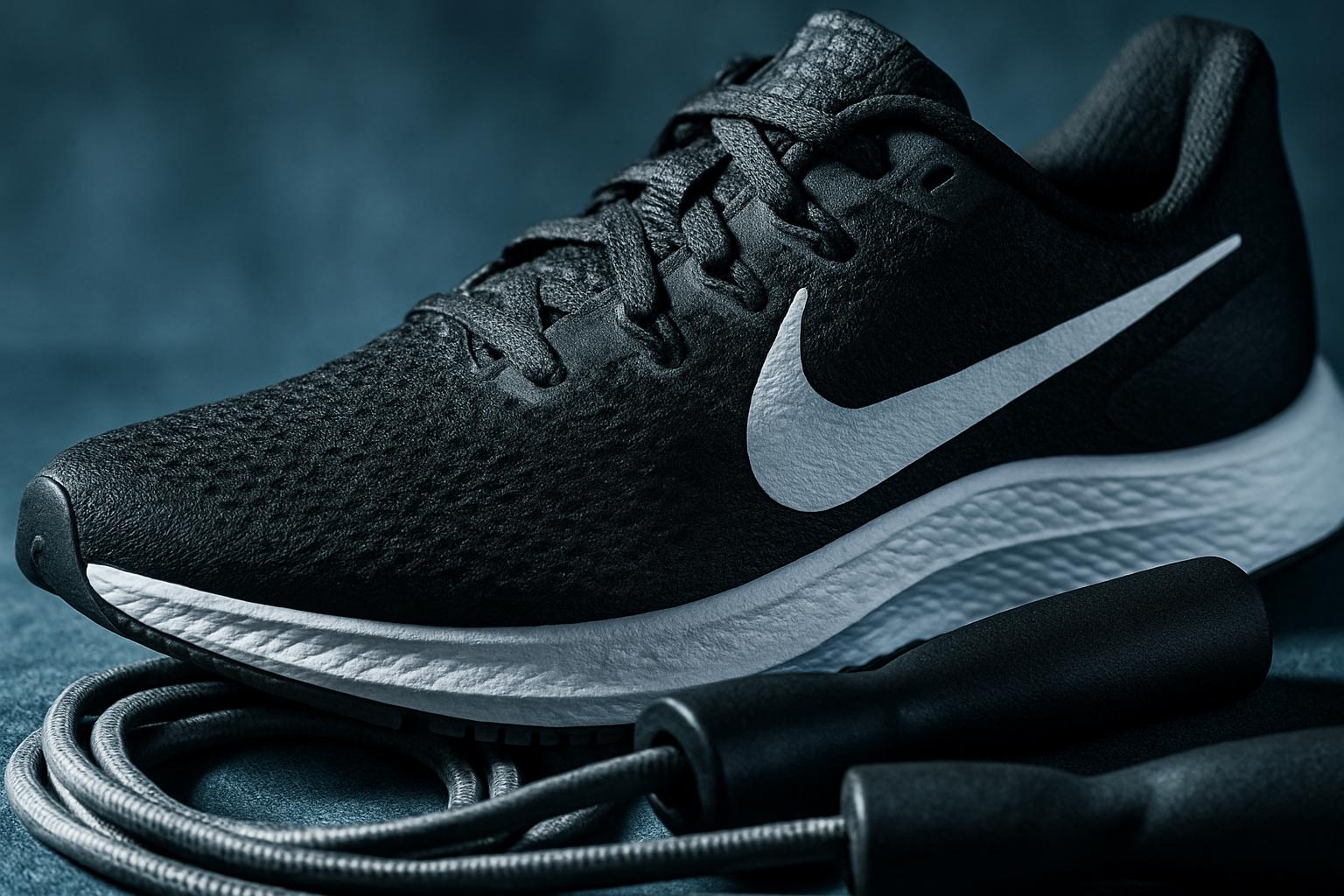
Finding shoes that work well for jump rope training can feel tougher than it should. The wrong shoes make each jump more tiring, add pressure on ankles, and leave feet feeling sore. A shoe that fits poorly or does not cushion right will only slow progress and maybe even ruin motivation to practice. We looked at what actually makes a shoe good for jump rope. Below are our top picks, based on real customer feedback and our tests:
What Makes a Good Shoe for Jump Rope?
A shoe might feel comfortable for walking or running but will not always work for jump rope. When shoes do not hold feet firmly or fail to absorb shock, every landing feels harder. The right choice can support joints and help sessions last longer without pain.
For jump rope, stability comes before anything else. A little extra weight is less of a problem than a wobbly step or unstable heel.
So, what exactly should be considered?
Fit and Lockdown
Shoes that are too loose will not help with balance, and those that are too tight can cause pain or blisters. Feet need to move naturally but not slide around.
Cushioning vs. Ground Feel
Some people prefer thick cushioning to soften the impact. Others want a more connected feel - that almost barefoot experience. Neither is right or wrong, but shoes used for double unders or faster rope sets might need a softer base. Lighter users or those with strong feet sometimes go with a flatter sole.
Good shoes are not always expensive. Sometimes, a basic trainer feels perfect for the task.
Weight and Flexibility
A clunky shoe tires legs. Models made for running or court sports can feel too heavy. Something in the middle often works best. The shoe should allow natural flexing of the foot , this helps with quick jumps and changes in direction.
Heel-to-Toe Drop
Look for a small drop , that is, the difference in height between heel and toe. Jump rope sessions tend to favor neutral, flat shoes. High drops can increase strain, especially on calves, and affect balance.
Traction
A shoe that slips will completely ruin a rhythm. The sole needs to grip the floor , wood, rubberized gym flooring, or even outdoors. Too much grip, though, and shoes might catch on some surfaces or make pivots awkward.
Buyer’s Guide: Features to Check
Common Mistakes When Picking Jump Rope Shoes
Going with popular shoes for running or lifting without thinking about the special needs of jump rope is usually the biggest mistake. Thick soles sound comfortable, but sometimes make people trip or lose their balance. Pure running shoes may not offer side support, and minimalist shoes without any cushioning at all can strain knees or heels for many.
No single shoe works for everyone. Foot size, weight, and how hard you land all matter.
Trying different models, even ones not labeled as jump rope shoes, sometimes leads to a good surprise. Court shoes, wrestling shoes, and some cross-trainers all get recommended by experienced rope athletes. The right pair might be hidden in a part of the store not labeled for “jump rope” at all.
Comparison Table: Important Features at a Glance
| Feature | Why It Matters for Jump Rope |
| Cushioning | Reduces impact on knees and ankles, helps with longer sessions |
| Secure Fit | Prevents sliding, improves jump accuracy |
| Sole Flexibility | Allows natural foot movement for quick, repeated jumps |
| Outsole Grip | Keeps feet stable on various surfaces, reduces slips |
| Heel-to-Toe Drop | A low drop supports balance and better posture during jumps |
| Upper Durability | Mesh or synthetic torn? The shoe may not last long under rope friction |
Testing Process
To recommend the right shoes, we took a measured approach. We borrowed feedback from advanced jumpers and trainers, checked many user reviews, and did our own trials. Sometimes, a shoe passed every early test but failed after a few weeks with real workouts. Others held up much better than expected.
We looked at both the fresh-out-of-the-box feel and how pairs performed after weeks of use. Often, shoes that feel stiff break in and become favorites, while others get worse. That surprised us a bit, and it might surprise you too.
Pros and Cons: Jump Rope Shoe Features
- Shock absorption saves knees during high reps
- Flat, stable base helps prevent ankle rolls
- Secure fit supports double unders and speed drills
- Lightweight construction avoids quick fatigue
- Durable upper material withstands rope friction
- Flexible enough for natural toe movement
- Good grip handles both indoor and outdoor floors
- Overly cushioned soles may slow rope speed
- Minimalist shoes can strain arches and heels
- Some blends wear out quickly outdoors
- Not all sizes fit wide or narrow feet
- Thick soles increase tripping risk for beginners
- Some models lack lateral support
- Grip level can change as shoes wear out
Should You Pick Running, Training, or Court Shoes?
Running & Training Shoes
Court Shoes & Cross-Trainers
Running & Training Shoes
Work well for most routines, especially if you need more support and cushioning. Usually made to absorb ground impact, but some people say thicker soles can make high-speed rope workouts harder. Try a pair with a neutral (low) drop and not too much padding , if you have knee issues, a soft pair might be your best bet.
Court Shoes & Cross-Trainers
These styles give a firmer and more flat feeling underfoot. Some coaches swear by them for rope because they react well to quick jumps and side motions. Not always the best with long outdoor runs, but usually hold up indoors and during fast workouts. Some versions hug the foot, others run wide, so always check sizing if ordering online.
What to Avoid When Picking Shoes for Jump Rope
- Shoes with thick, unstable soles
- Anything too narrow or with a cramped toe box
- Heavy shoes, especially for speed work or double unders
- Slick soles that lose grip after a few weeks
- Hard or plastic outsoles designed for court only
- Cheap mesh uppers with no reinforcement at the toe
- Shoe models with too much heel drop
- Outdated models not intended for high-impact activity
Extra Tips for Getting More from Jump Rope Shoes
Replacing insoles can sometimes give new life to a worn shoe or adjust the comfort level. Some users swear by sports socks or compression socks for more stability and sweat control. Cleaning shoes regularly, especially the outsoles, can also improve grip and help spot early wear signs.
Regular rotation extends shoe life. If possible, keep one pair for indoor and another for outdoor sessions. Shoes dry quicker between workouts and wear slower this way.
FAQ: Best Shoes for Jump Rope
What should you look for in the best shoes for jump rope?
Check for secure fit, stable low heel, enough cushioning to absorb shock, flexible soles, and rubber outsoles. Heavy or loose shoes often cause more trouble than they solve. Good breathability helps keep feet from overheating.
Do you need different shoes for indoor and outdoor jump rope?
The best shoes for jump rope indoors may not be perfect outdoors. Indoor floors are more forgiving and need less outsole protection. Outdoor rope work will wear down soft soles quicker, so choose a tougher shoe for the pavement.
Are minimalist or barefoot shoes good for jump rope?
Some people prefer that barefoot feel. But if you jump for more than a few minutes or have any knee pain, minimalist shoes might be too harsh. Try short sessions to see how your joints feel. Not everyone’s joints can handle thin soles, especially with daily practice.
How often should you replace your jump rope shoes?
Change shoes when the insole flattens, heel feels loose, or the outsole wears smooth in key landing spots. This can happen much sooner than with walking or running shoes. Some heavy jumpers go through pairs much faster, depending on how often they train.
Can you wear running shoes for jump rope sessions?
Yes, as long as the sole is not thick or wobbly and the shoe grabs your foot. A plush, padded running shoe can work indoors but might feel awkward for fast rope tricks. Trial and error works best here.
If you have been struggling to find shoes that hold up for jump rope, try testing a few pairs using these points. Which part matters to you most , fit, cushioning, or grip? Try a shoe for a week or two before giving up on it. Sometimes, the right option starts to feel right only after a few sessions.