
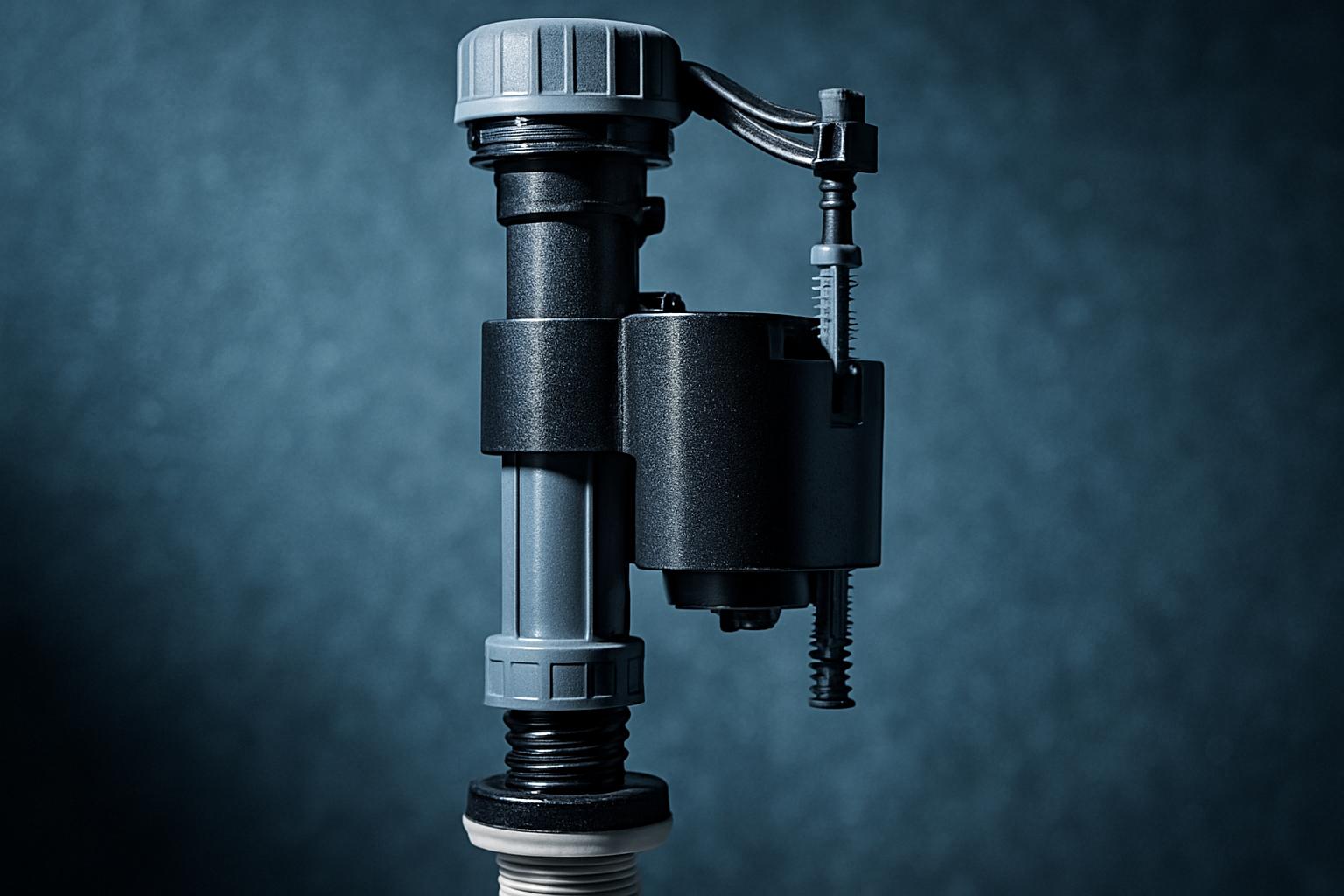
Anyone who has dealt with a running, noisy, or slow-filling toilet knows what a pain a faulty fill valve can be. It is one of those parts that most people never think about, until it stops working. Replacing or upgrading your toilet’s fill valve can solve those annoying issues quickly. With so many options available, choosing the right one is not always straightforward. Here are our top choices, backed by user feedback:
What Makes a Good Toilet Fill Valve?
When picking out a fill valve, you want something reliable, quiet, and easy to install. The last thing you need is to spend hours fiddling with a valve that simply will not fit or keeps leaking. And while some valves promise universal compatibility, the reality is that there is still quite a bit of variation. A good fill valve should work with most toilets, but it is always smart to check the details. One other thing, we have seen plenty of claims about “tool-free installation.” Sometimes they are true, but, in practice, a wrench often helps with stubborn old parts.
A good fill valve should solve issues like slow filling, constant running, or loud operation without requiring a complicated installation or ongoing adjustments.
We have noticed that modern fill valves have a few things in common that go beyond the basics. Height adjustment is almost always there, but the range varies. Some are designed for older high-tank toilets, while others only fit newer designs. The float mechanism also differs, some use cup-style floats, others use the old school ballcock style. It is also worth considering valves that minimize water hammer noise, especially in older homes with copper pipes.
Key Features to Look For
If you need a new fill valve, focus on these features. Not every option is essential, but the more you can check off, the better your chances of finding one that lasts.
- Height Adjustable: Makes the valve suitable for a range of tank sizes. Helps with installation and future adjustments.
- Quiet Operation: Some valves are much quieter than others. A must-have for bathrooms near bedrooms.
- Anti-Siphon: Prevents contaminated water from entering your main supply. Most modern models include this, but it is a critical feature.
- Durability: Look for high-quality plastic or brass parts. Cheaper models might not last as long and can crack over time.
- Universal Fit: Compatibility with most standard two-piece or one-piece toilets adds flexibility.
- Ease of Installation: Clear instructions and minimal tools required. Adjustable float is a bonus.
- Replacement Parts Availability: You should be able to find washers, gaskets, or floats if something fails later.
While not everyone needs a high-end model, a few extra dollars for a quality fill valve can save headaches years down the road. Water damage from a leaky connection is not worth it.
Fill Valve vs. Ballcock: What is the Difference?
Some people use these terms interchangeably, but they are not quite the same thing. Ballcock valves were the standard for decades, using a large float ball at the end of a long arm. Most modern fill valves replace this system with a compact, cup-style float that moves up and down along the shaft. The switch has made newer valves much quieter and more reliable, especially with high-pressure systems.
Most newer toilets use a cup float fill valve, which allows for quieter, much more stable water levels and usually fits into tighter spaces.
Installation Tips: What Usually Goes Wrong?
Most people assume replacing a toilet fill valve is as easy as unscrewing the old one and dropping the new one in. And sometimes, it is that simple. In reality, you can run into a few common challenges:
- Shutoff Valve Stuck: The shutoff at the wall might not close fully, especially in older homes.
- Old Gaskets Sticking: Tank bolts and washers can harden or corrode, making removal tough.
- Incorrect Height Setting: The new fill valve may need careful adjustment to avoid overfilling or underfilling.
- Leaks at the Base: Not tightening the nut enough or using the wrong gasket can lead to slow leaks.
- Cross-Threading: The plastic locknut can easily misalign. Tighten by hand first, then use a wrench, but do not overdo it.
Most people can tackle installation with a sponge, towel, and an adjustable wrench or pliers. Patience helps, especially when aligning washers and seating the fill valve in the tank.
Comparison Table: Popular Toilet Fill Valve Features
| Feature | Why It Matters | What to Check |
| Height Adjustment Range | Makes it easier to fit different tank sizes | Minimum and maximum cutoff height |
| Material | Impacts durability and resistance to corrosion | Plastic vs. brass; type of plastic |
| Noise Level | Some valves are much quieter, especially at night | User reviews; decibel ratings if available |
| Anti-Siphon | Keeps clean water supply protected | Certifications on packaging |
| Refill Rate | Affects time between flushes, and overall water use | Gallons per minute (GPM) rating when available |
| Installation Method | Saves time and frustration | Step-by-step instructions, necessary tools |
Do You Need a New Fill Valve?
Sometimes it is tempting to think a running toilet is just a flapper issue. And yes, that is a common issue. But there are some clear signs that point directly to the fill valve:
- Toilet tank never seems to fill properly or fills very slowly.
- Faint hissing or whistling sound from the tank after flushing.
- Water keeps flowing into the bowl with no obvious leaks at the flapper.
- Float arm or cup does not move freely or gets stuck.
- You notice water hammering or loud noises when the valve shuts off.
Replacing the valve is usually much cheaper and easier than calling a plumber. But we would not recommend putting it off too long if it is already leaking, it is surprising how fast a slow drip can cause bigger problems.
Buyer’s Guide: How to Pick the Right Fill Valve
Let’s be honest. The best fill valve is one you can install yourself in 10-15 minutes and never think about again. Ease of adjustment and reliability are worth their weight in gold. If you have ever fought with a leaky, screechy valve at 2AM, you get it.
Comparing Competing Features
Height Adjustment
Noise Reduction
Valves with a wide range of height adjustments give better flexibility during installation. This is helpful for replacing older valves where the overflow tube might sit much higher than modern standards. Being able to tweak the valve instead of trying to cut it or add spacers helps avoid leaks down the road.
Some fill valves are much quieter than others. Valves that fill below the water line reduce the sound of rushing water. If you have a bathroom near a bedroom or want to avoid waking up other people at night, pay attention to noise-reducing features mentioned by other buyers.
Pros and Cons: Toilet Fill Valve Features
- Fixes most slow filling issues
- Reduces ongoing tank noise
- Prevents wasted water from poor shutoff
- Usually easy to install
- Height adjustment matches most tanks
- Modern anti-siphon protection
- Universal fit design often works well
- Quiet fill options available
- Some models allow tool-free installation
- Affordable upgrade for old toilets
- May not fit all one-piece toilets
- Occasionally leaks if not installed carefully
- Cheaper plastics can crack or warp under stress
- Replacing gaskets is sometimes tricky
- Adjustment range may not suit unusually tall or short tanks
- Ballcock retrofits often require more plumbing changes
- Instructions for some models are not always clear
- Can require annual cleaning in hard water areas
- Plastic parts can degrade in sunlight (for outdoor toilets)
Common Mistakes to Avoid
Not all fill valves are created equal, but even the best models can be ruined by poor installation choices. Here are some tips based on user feedback and what we have seen firsthand:
Double check the tightness of the fill valve nut under the tank. It should be snug, but not so tight that it cracks the porcelain.
- Do not reuse old washers if the kit comes with new ones.
- Always test for leaks before fully refilling the tank.
- Adjust the float height so water sits about 1 inch below the overflow tube.
- Check shutoff valves for leaks or corrosion while you are at it.
Honestly, some of this is common sense, but it is surprising how often the basics get missed. Start simple, go slow, and you are less likely to end up with a mystery puddle behind your toilet.
Frequently Asked Questions about the Best Toilet Fill Valve
How can I tell if my toilet fill valve needs replacement?
If you notice your toilet tank filling very slowly, water running constantly, or whistling/hissing sounds after every flush, chances are the fill valve is struggling. A proper replacement usually fixes these signs quickly.
Are all toilet fill valves universal?
Most modern fill valves claim to be universal, but there are exceptions, especially with older models or one-piece toilets. Always measure your tank and check compatibility before buying.
How often should I replace my toilet fill valve?
A good quality fill valve should easily last five years or more. That said, hard water, poor installation, or aggressive cleaning chemicals can shorten that lifespan considerably.
Why is my new toilet fill valve still noisy?
Sometimes it helps to flush the system or check for debris inside the valve itself. If noise remains, the valve may not match your home’s water pressure or there could be a compatibility issue with the shutoff valve.
Can I replace a toilet fill valve without professional help?
Most people can replace a fill valve with basic hand tools. As long as you are comfortable shutting off your home’s water supply and following step-by-step instructions, it is a realistic DIY project.
Does your toilet have any unique quirks? Sometimes the tiniest difference in design makes a big impact. What matters most to you, silence, reliability, or low price?