
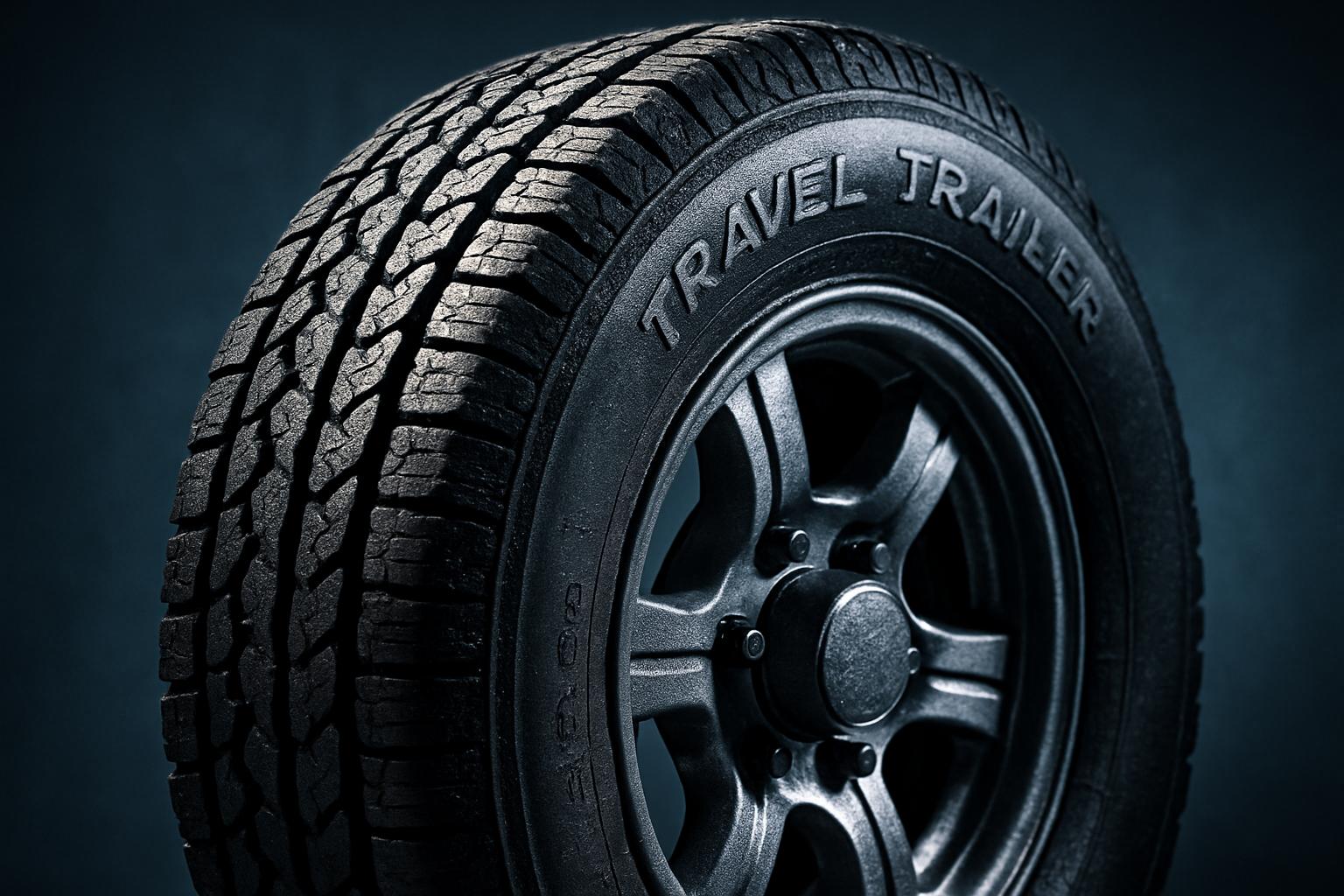
Choosing tires for a travel trailer feels different than buying regular car tires. Safety matters more, and even a short drive can turn risky if something is wrong. Many people do not realize that what works for one trailer might not be right for another. Tread concern, load range, and how often you drive all matter. We have studied what users say, and these are the top five choices users trust most:
What to Consider When Choosing Travel Trailer Tires
There is no single right tire for every travel trailer. The first step is accepting that your decision depends on your trailer’s size, your usual load, and the places you go. Ignore catchy promises from marketing. If this is your first time shopping for these tires, or even if you have tried a few before, it is wise to slow down and look at what really matters instead of jumping for the brand you see most on shelves.
Tire Size and Load Rating
Each trailer needs tires matching its weight, including all your gear and cargo. Look for the letters and numbers on your current tires, such as ST205/75R15. “ST” is for Special Trailer, which signals that the tire is made for the unique demands of trailer hauling.
Tires without the “ST” label are usually not made for trailers. Using the wrong type can increase sway or even cause a blowout.
Load range, listed as letters like C, D, or E, shows how much weight a tire can safely hold at its max pressure. More is not always better. Pick the one that fits your trailer’s actual needs. Too stiff a tire leads to rough rides. Too weak, and there is risk of failure.
Ply Rating
Ply rating once meant actual layers of material inside the tire. These days, it is symbolic, but still tied to strength. A higher ply (10-ply vs 6-ply, for example) means the tire can carry more weight without bulging. Some people think “more plys must be safer,” but this is not always true.
Using a tire with a ply rating far above the trailer’s weight can make bumps sharper and wear out your suspension.
Tread Design
Trailer tires come in different tread patterns. Some look almost smooth, focusing on road stability, while others have deeper grooves for grip. Travel trailers spend most of the time on highways and roads, so highway tread (straight grooves and shallow siping) is usually preferred. If your trips involve muddy campgrounds or sharp gravel, all-terrain patterns may help, but these are unusual on classic travel trailers.
Types of Trailer Tires: ST vs LT
Every tire marked “ST” is built for trailers. “LT” is mostly for light trucks, but some smaller travel trailers can get away with them. The difference comes down to sidewall stiffness and how the tire reacts to corners or bumps.
ST tires have reinforced sidewalls to handle heavy vertical loads and constant towing. LT tires focus on traction for driving wheels, which is not as important on a trailer.
ST Tires: What to Know
LT Tires: What to Know
ST tires are made only for use on trailers, not cars or trucks. Most travel trailer owners should use only ST tires. They resist swaying, flex less, and last longer under towing stress.
LT tires are actually for light trucks, but there are rare times where they fit smaller, very lightweight trailers. If a trailer came with LT tires from the factory, replace with the same. Otherwise, most will get better safety choosing ST.
How-To: Buying and Maintaining Travel Trailer Tires
Features That Make a Good Travel Trailer Tire
No single feature makes a tire perfect. Still, there are traits to look for that do make a real difference on the road and when stopped at the campground.
Choose a tire by looking past the brand. Quality control, warranty terms, and real world feedback teach more than any packaging ever will.
- ST (Special Trailer) designation
- Right load rating for your trailer
- Tread type matching your regular roads
- Fresh manufacture date, not old stock
- Strong warranty from the seller or maker
- Reinforced sidewalls
- Good heat tolerance
- Steel belt (sometimes marketed as ‘radial’ instead of ‘bias’)
Radial vs. Bias Ply Tires
This is not something every owner thinks about, but it shapes how a tire feels on the road and how quickly it wears out. Radial tires bend easier, which means a softer ride and lower heat. This helps, especially on long highway hauls. Bias ply tires are stiffer, which some off-road users prefer, but this is less common for modern travel trailers.
| Tire Type | Quiet Ride | Long Lifespan | Handles Weight Well |
| Radial | Yes | Yes | Good |
| Bias Ply | No | No | Great, but stiff |
What Shortens the Life of Trailer Tires?
Many trailer owners blame nails and sharp rocks for sudden tire failures, when the root problem is often age or incorrect storage. Even sitting still, tires break down over time. UV rays, heat, and lack of use all speed up the process. Checking the tire’s date code before you buy can save trouble. That four-digit number tells the week and year the tire was made. Fresh is better.
Other issues include chronic underinflation, storing the trailer on bare ground, and heavy braking. Try to park your trailer where the tires are on boards or concrete, and away from constant sunlight.
Pros and Cons Table: Top Features and Known Problems
- ST designation made for trailers
- Multiple load ratings to fit big and small trailers
- Many tire options come with long mileage warranties
- High heat resistance for summer travel
- Thicker sidewalls for fewer blowouts
- Available in radial and bias ply types
- Some models have a reputation for early cracking
- Low-quality brands may fake ratings
- Many tire shops stock old inventory
- Heavier ply tires ride rougher
- Trailer tires often cost more than expected
- Finding the right size can be confusing for new buyers
Signs of a Quality Travel Trailer Tire
No review can guarantee you peace of mind, but there are a handful of clues that help spot good choices faster.
- Manufacturer date is recent (within a year of buying)
- Tire is stamped with ‘ST’ and clear load range
- Warranty terms are clear and easy to claim
- Plenty of positive owner reviews
- No history of major recalls or failures
- Sidewalls look uniform with no bubbles or warping
Table: Common Tire Sizes By Trailer Weight
| Trailer Weight | Standard Tire Size | Recommended Load Range |
| Up to 2,000 lbs | ST175/80R13 | B or C |
| 2,000 to 3,500 lbs | ST205/75R14 | C or D |
| 3,500 to 5,000 lbs | ST225/75R15 | D or E |
| 5,000 lbs or more | ST235/80R16 | E |
Common Mistakes and Misconceptions
It is easy to make mistakes when choosing travel trailer tires. They look like car tires, but they work under different loads. Using passenger or light truck tires instead of ST can lead to instability. Assuming “new looking” tires are actually new is a risk too. Always check the date code formed on one sidewall.
Be careful about overspending on “upgrades” like extra high ply ratings and off-road treads if you will rarely leave pavement. And if you are shopping local stores, ask to see the actual tires and their dates before you pay.
FAQ: Best Travel Trailer Tires
Picking the right travel trailer tire is not as simple as buying what is on sale. But careful shopping now may mean fewer worries later on the road. Is there something about travel trailer tires most articles do not explain well enough?