
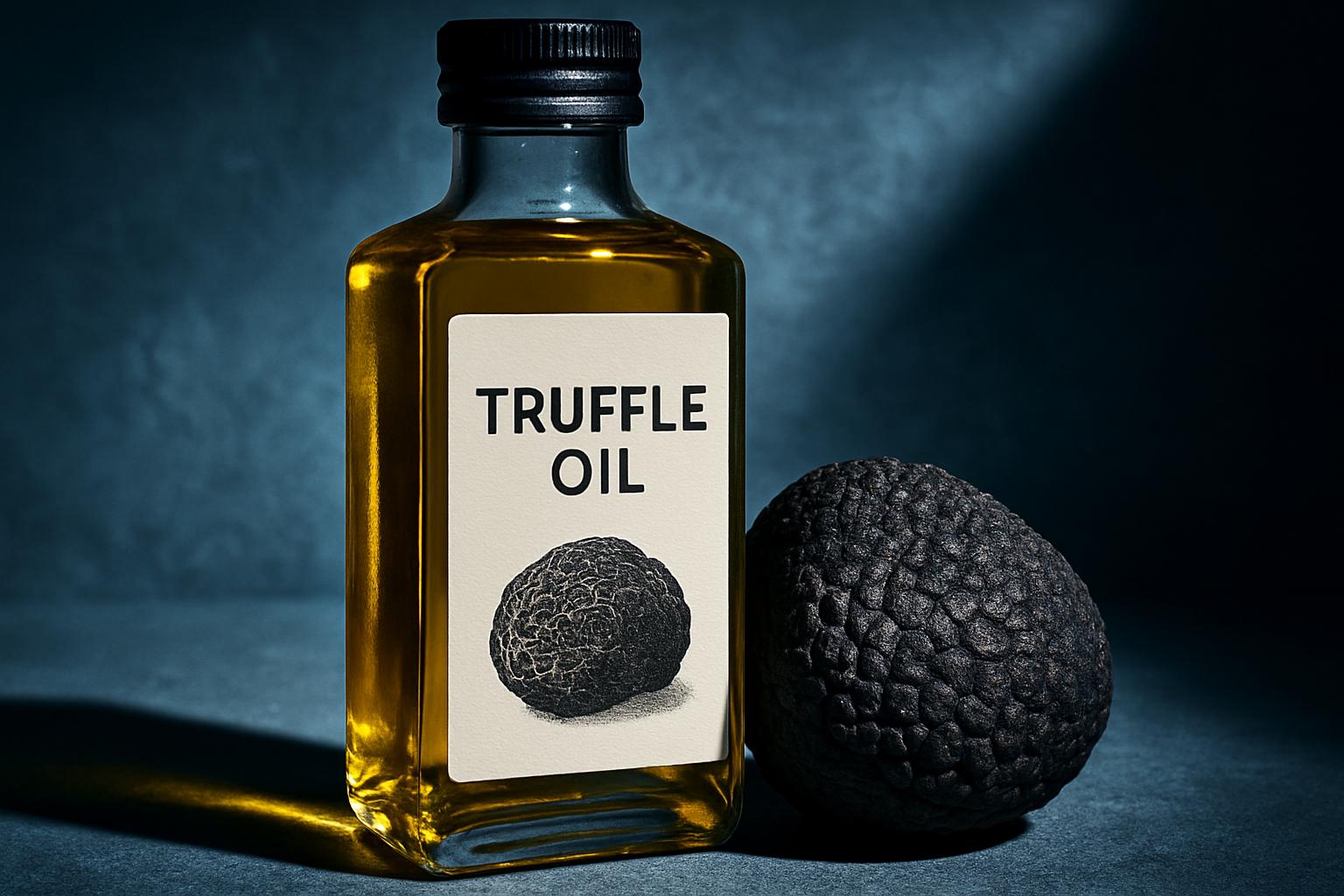
Trying to pick a bottle of truffle oil feels confusing. There are too many choices and flavors, and not all of them actually taste like real truffles. Some seem fancy, but disappoint in the kitchen. To help, we dug deep into reviews and hands-on feedback. Here are five options that come up again and again as trusted favorites:
What Actually Is Truffle Oil?
Truffle oil is a flavored oil made to taste like truffles, those prized fungi found underground. Normally, it is a neutral oil, like olive or grapeseed, that is infused with truffle aroma. Sometimes real pieces of truffle are used, but in most cases, it is natural or artificial flavors that give that earthy, mushroom scent. Some find this disappointing, but honestly, natural and “artificial” fragrances are extremely common in the food industry. Finding 100 percent real truffle oil is almost impossible, so do not expect every oil to be pure. Most people would not taste the difference anyway, at least not outside of a fine restaurant kitchen.
Do not worry if the ingredients list sounds overly chemical or scientific. Most truffle oils are made with lab-created aromas. This does not automatically mean bad flavor.
Types of Truffle Oil
There are two main styles: black and white. White truffle oil usually tastes lighter, a bit like garlic, and is used to finish delicate dishes, think risotto or eggs. Black truffle oil is stronger, earthier, deeper. It gets used in meat dishes or pasta, when you want to really taste it.
Some bottles will say “summer truffle” or “winter truffle”, this refers to the type of truffle the aroma tries to copy. Summer truffles tend to be milder, winter truffles have a stronger scent. For most home cooks, the difference is subtle.
Why Does Price Vary So Much?
Some truffle oils cost three times as much as others. Usually, a higher price means either a better base oil, a more complex truffle aroma, or (rarely) little pieces of actual truffle. But a pretty bottle and fancy label do not always equal better flavor. In blind tests, some cheap options hold their own. It really comes down to personal taste, and maybe a bit of luck.
Most truffle oils, even expensive ones, use a blend of natural and artificial flavors. Paying top dollar does not guarantee a radically better bottle.
What To Expect From The Flavor
Truffle oil is not for everyone. Some people find the aroma powerful, almost too fake. Others love it, saying it brings mushrooms and earth to every plate. Expect a scent that is garlicky, a touch musky, and even a bit chemical (but in a nostalgic way, like potato chips or instant soup). In most cases, a little goes a long way.
Here are common ways truffle oil shows its best side:
- Drizzled over fries, popcorn, or roasted potatoes
- Used to finish risotto or pasta
- Added at the end of scrambled eggs or omelets
- Topping flatbreads or pizza
- Stirred into aioli or mayo for a quick dip
- Whisked into vinaigrettes for earthy salads
Do Truffle Oils Taste The Same?
Definitely not. Some are harsh. Others fade fast. Aroma, intensity, and aftertaste matters. The way each person’s nose and tongue picks up truffle notes will differ, too, so if a friend raves about one, it could taste a bit odd to you. That is normal.
Comparing Types Of Truffle Oil
| Type | Main Flavor Notes | Best Uses |
| White Truffle Oil | Garlic, slightly sweet, mild earthy | Eggs, veggies, salad, risotto |
| Black Truffle Oil | Earthy, musky, robust | Pasta, red meat, mushrooms, potatoes |
| Mixed Truffle | Varies, usually more balanced | All-purpose finishing oil |
So, which is best? That is not so easy to answer. In some kitchens, white truffle oil is a staple. In others, only the black kind counts as true truffle flavor.
One bottle may not work for every dish, and sometimes, less is more. If you are new to truffle oil, try using it sparingly. It is easier to add more than to remove an overpowering scent.
Where Do Truffles Come From?
Most truffles come from Europe, especially France, Spain, and Italy. Few truffle oils use truffles grown in other places, and honestly, few contain much real truffle at all. Instead, these regions inspire the flavors found in most bottles. Some brands mention the country on the label, but this is more for marketing than for giving you clues about the taste.
How To Use Truffle Oil (Without Overpowering Your Food)
Using truffle oil correctly is key. Too much, and dinner tastes like perfume. Too little, and you barely notice it. These are the approaches that work for most cooks:
Tips For Buying Truffle Oil Online
Shopping for truffle oil on the internet is tricky. You cannot open the bottle first. That is why it helps to read reviews, look at real product photos, and seek out brands with lots of repeat buyers. Watch out for fake reviews, though. A three-star product with lots of honest feedback is usually more reliable than a five-star product with only a few short comments.
Truffle Oil Pros & Cons In Everyday Cooking
- Adds real gourmet aroma to simple foods
- Makes eggs, potatoes, and fries special
- Lets home cooks get luxury on a small budget
- Lasts a long time if used correctly
- Works with vegetarian or vegan diets
- Can save money compared to buying real truffles
- Overuse can kill natural flavor of food
- Some oils taste very artificial
- Aroma can fade before bottle is empty
- Can stain plastic storage containers
- Many are marketed as ‘real truffle’ but contain almost none
- Ingredient lists are often unclear
- Difficult to match intensity to every dish
What To Look For In Quality Truffle Oil
Certain features set better oils apart. While no brand is perfect, these are the things that usually point to higher quality:
- Transparent label with ingredient breakdown
- Actual olive oil or grapeseed oil, not mystery-blend
- Real truffle pieces or extract (not a must, but a bonus)
- Balanced aroma, not too perfume-like
- Ships in glass, not plastic
- Fresh, recent production date
- Consistent user praise for aroma and flavor
Sometimes a less expensive oil can be more enjoyable than a fancy one. Keep an open mind. Trust your own taste, not just the packaging.
Should You Buy White Or Black Truffle Oil?
This choice comes down to usage. If you are mostly adding to pasta, eggs, or creamy dishes, white truffle oil is practical. For bolder meals, black truffle oil stands out. Some people buy both and decide over time. More often than not, one bottle ends up being the favorite. If unsure, aim for a mixed-truffle oil as a first try. It is usually mild and less risky.
White Truffle Oil
Black Truffle Oil
Tastes milder, pairs well with eggs, risotto, and white meats. The aroma is less earthy and closer to garlic or shallot. It will not overpower gentle dishes.
More robust and earthy. The scent stands up to steak, roasted mushrooms, hearty pasta, and fried potatoes. Some bottles can be too strong for simple salads or eggs.
Common Mistakes When Using Truffle Oil
Most issues happen from going overboard or expecting the wrong things. These are the usual pitfalls:
- Dousing food in oil, just a few drops is often plenty
- Adding to a hot pan, heat destroys the aroma quickly
- Using in salad with strong vinegar, which clashes with the truffle note
- Buying in large quantities, which almost always leads to stale oil
- Storing near heat or light, which fades the aroma fast
- Expecting it to taste exactly like fresh truffles
How Long Does Truffle Oil Last?
Freshness matters. Unopened bottles should keep their flavor for up to a year, if the production date is recent. Once opened, use within a few months. Even well-stored oils slowly lose their punch. Keep the cap tight and store away from sunlight.
Popular Dishes Using Truffle Oil
It is not just for restaurant plates. These classic ideas show up at home all the time:
- Truffle fries or chips (oven-baked or fried)
- Scrambled eggs or frittata with a drizzle
- Risotto with mushrooms and a touch of oil to finish
- Mashed potatoes with earthy truffle punch
- Flatbreads, especially with mushrooms or cheese
- Simple pasta dishes, tossed before serving
Is Truffle Oil Healthy?
At the end of the day, truffle oil is flavored oil. The nutrition comes from the base oil the maker uses, olive tends to have a better profile, and grapeseed is very neutral. Most truffle oils are used so sparingly that calories or fats are barely a concern. The only real worry is if you are sensitive to fragrances or prefer to avoid synthetic additives. In that case, check the label carefully for potential allergens or chemicals.
Who Should Skip Truffle Oil?
If intense aromas or earthy, mushroom flavors are not your style, truffle oil could ruin a meal for you. Some people also get headaches from strong aromas or artificial scents. And, if you want only “natural” ingredient lists, you may be frustrated by the lack of options.
Truffle Oil FAQ
What is truffle oil made from?
Most truffle oils use a base oil, usually olive or grapeseed, that is infused with natural or lab-created truffle aroma. There are few true oils with significant amounts of real truffle inside.
How do you use truffle oil in cooking?
The best approach is to drizzle truffle oil after the food is cooked, just before serving. Avoid heating it, high temperatures destroy the delicate aroma.
Is it worth buying expensive truffle oil?
Not always. A higher price does not automatically mean better truffle aroma. User reviews and ingredients are better clues than cost alone.
Can you cook with truffle oil?
No, truffle oil is a finishing oil. Heat breaks down the aroma, so using it for cooking is wasteful.
Is truffle oil vegan?
Most truffle oils are vegan-friendly because they use plant-based oils and infused aroma rather than animal products.
Why does truffle oil smell so strong?
That signature scent comes from specific aroma molecules, sometimes created in a lab. These are very concentrated and can be overwhelming if too much is added.
Finding the right truffle oil probably means a bit of trial and error. What works for one kitchen might not satisfy another. Trying a small bottle first, using it sparingly, and keeping open expectations tend to deliver the best results. And if you end up loving that earthy, musky drizzle, you might just understand why people rave about truffle fries. Or maybe you will just think, well, it is not for everyone.