
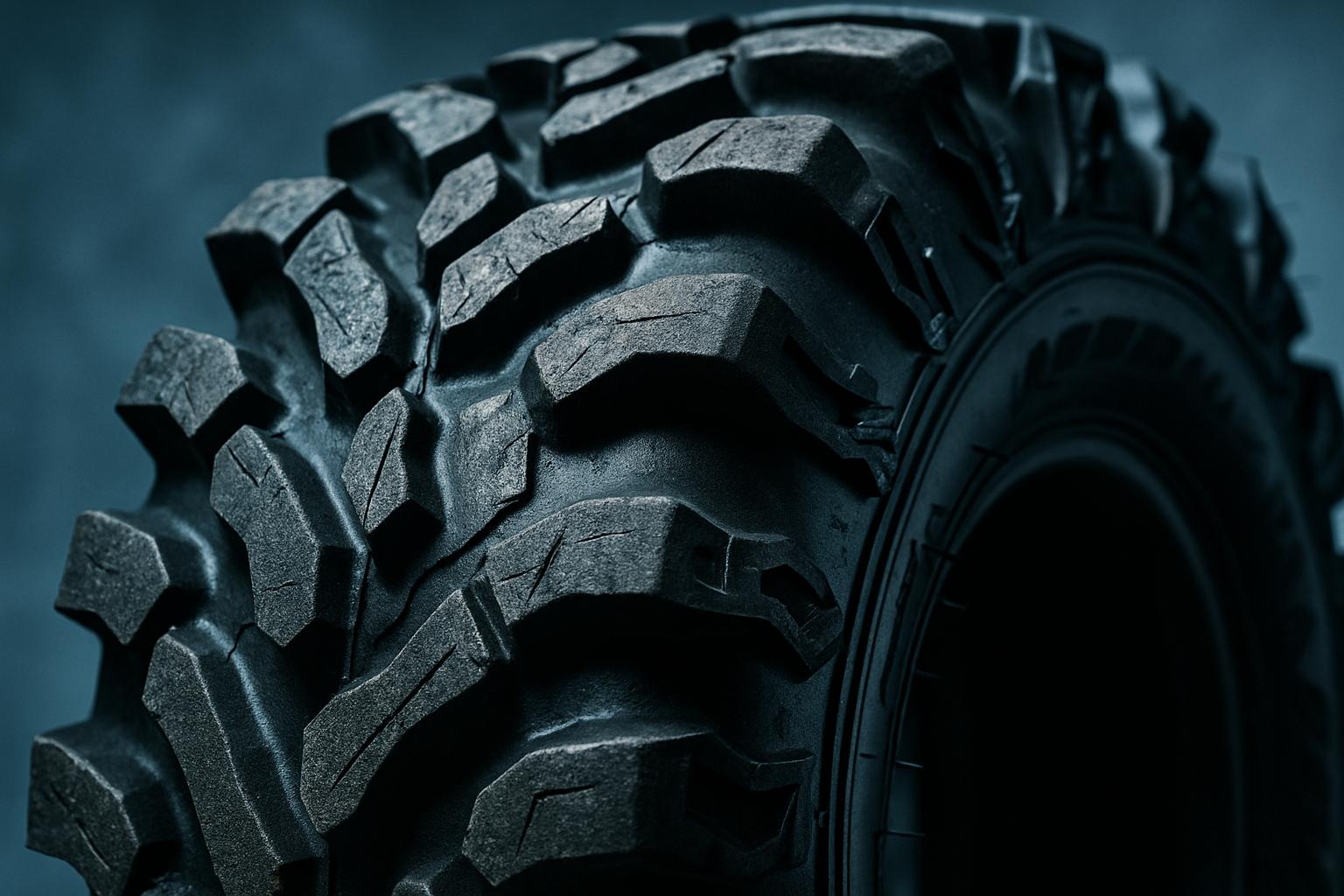
Choosing new UTV tires can feel overwhelming. Balancing durability, traction, and style is not always easy when every terrain demands something different, and the options seem endless. If your goal is simply to ride more, not research more, it helps to get straight to the point. Here are five of the top picks according to user feedback and actual trail results:
What Matters When Choosing UTV Tires
Trying to find the best fit for a UTV rarely comes down to just looks or brand. What works great for one rider on muddy trails might not hold up on hard, rocky ground. And, to be honest, some tires claim big things but fall flat fast.
For most riders, the balance between grip, ride comfort, and puncture resistance matters more than any single flashy feature.
Different terrains, weather, and even how you use your UTV should shape your decision. Here is what deserves the most attention:
Tread Pattern and Traction
Tread design is often the first thing people notice, but it is more than just looks. Aggressive deep lugs might seem tempting, especially for muddy trails, but they can make a UTV hard to handle on hard-packed dirt. Small, shallow patterns clear out mud faster but might not grip in sand or loose gravel.
Matching tread to terrain is a must:
- Deep, widely spaced lugs for thick mud
- Directional V-shapes for sand or loose dirt
- Smaller, tighter blocks for rocky, hard-packed surfaces
- All-terrain patterns if terrain changes often
Size: Diameter, Width, and Ply Rating
Many overlook this, but size truly affects everything - handling, speed, and even how fast your tires wear out. Go too big? You risk putting extra stress on axles and bearings. Too small, and you may trade traction for a rougher ride.
Consider ply rating as well. Higher ply means stronger sidewalls and better puncture resistance, but too stiff can make bumps unpleasant. Most riders do fine with 6-ply for mixed use. Heavier work or sharp rocks? Maybe try an 8-ply or more.
Durability and Materials
No one enjoys stopping for a repair in the middle of nowhere. Sidewall strength, quality compound, and bead protection make a big difference. Some brands use extra-strong rubber blends or reinforce the bead area. Look for features like rim guards and thicker lugs if rough trails are routine, or if you carry heavy loads often.
Think about seasonality, too. Softer compounds may grip better in the cold but wear out faster in heat. Harder rubber lasts longer, though you might slide more in the wet.
Weight and Balance
Heavier tires eat up horsepower and gas. They can wear suspension parts faster. Too light, on the other hand, and they may puncture easily. Finding the right balance changes everything about how a ride feels. For some, a slightly heavier tire with better puncture resistance is acceptable. Racing or high-speed riders might go for something lighter just to get better acceleration.
Sand, Mud, or Rocks? Terrain Does Matter
Plenty of people ask a loaded question: what is the best tire for every trail? The truth is, no tire wins everywhere. Sand tires with paddle-style treads excel in dunes, but flop on rocks or pavement. Mud tires climb out of ruts easily but can ride rough on packed dirt.
Mud & Soft Terrain
Rocks & Hardpack
Look for deep-lugged tires that help push through clay, mud, and soup. Wider spacing clears debris fast, and reinforced sidewalls resist side punctures from hidden roots.
Short, stout lugs grip against sharp rocks and gravel. Thicker sidewalls and multiple plies stand up to punctures. Tighter patterns make for smoother rides on worn-in trails and hardpack.
It is tempting to skip right to looks, but functionality always pays off down the line. If the UTV mostly sticks to one kind of terrain, pick for that. If you ride mixed trails, consider an all-terrain option with a medium pattern and moderate void space.
How to Read Tire Specs
Sometimes, brands list these numbers front-and-center, but a little research or checking the printed sidewall can help avoid returns or worse, ruined trips.
Confirming tire size and recommended pressure is one way to avoid uneven wear, poor drive feel, and premature repairs.
Balancing Price and Performance
Spending top dollar does not always mean the ride or lifespan will wow anyone. Sometimes, the mid-range option matches what elite tires offer, minus a brand name. For utility use or hauling, try not to pick just for looks or sheer aggression. Lifespan, warranty, and customer feedback mean more in real-world use.
Common Mistakes to Avoid
- Ignoring load ratings and picking tires too weak for heavy gear
- Buying wide tires without considering wheel well space
- Going from stock to huge diameters, risking rubbing or speedometer issues
- Overlooking rim compatibility - not every tire matches every rim
- Picking mud treads for hard-packed riding - rough, noisy, and fast-wearing
- Running tire pressure too low or high, which can ruin ride and wear
- Believing all high-priced tires outperform less-expensive options
Pros and Cons of Popular UTV Tire Features
- Better grip on intended terrain
- Longer tread life using premium compounds
- Stronger sidewalls reduce punctures
- Improved stability with right width choice
- Aggressive looks (plus real function where it counts)
- Air down well for more flex
- Available in a range of patterns and sizes
- Wrong tread for terrain wears out quickly
- Heavier tires can stress suspension
- Too large can mess with gearing
- Mud tires ride rough on hard ground
- Cheap low-ply tires = more flats
- Bigger lug = more noise
- Expensive upgrades, with little real ride difference in some cases
Maintenance Can Make or Break a Set of Tires
Getting the most out of any tire does not end at purchase. Regular rotation, cleaning, checking pressure, and inspecting for small sidewall nicks all really matter. Even pricey tires work poorly if run flat or overloaded.
Remember - worn-out tread, sidewall bubbles, or uneven wear are red flags. If unsure, always ask a pro to check for you.
Breaking Down Tire Ratings
| Feature | What to Look For |
| Tread Pattern | Choose for terrain - mud, rocks, or all-round grip |
| Ply Rating | Higher for rocky or heavy work, lower saves weight |
| Compound | Softer for cool, rough trails; harder for hot or gravel |
| Sidewall Features | Rim guards, thick plies against roots/rocks |
| Price Range | Shop for value - mid-range often suits most real-world uses |
Frequently Asked Questions About Best UTV Tires
Do best UTV tires really improve off-road traction?
Yes, a well-matched tread pattern and correct rubber compound can grip better on loose, muddy, or rocky trails, compared to basic or worn out stock options.
How long do best UTV tires usually last?
With routine care, quality tires last a few seasons - sometimes up to several thousand miles. On rocky or sharp terrain, expect faster wear. Maintenance and rotation help stretch lifespan.
Are best UTV tires good for both mud and hard roads?
Some try to claim they are, but no tread does everything great. All-terrain patterns can cover most needs, but specialized designs always win on their own ground. Consider terrain before buying.
Why do best UTV tires cost more than stock?
Better materials, stronger construction, and specialized design add to the price. Cheaper options may save money up front but often wear out faster or ride poorly.
Is a higher ply rating always better for best UTV tires?
Not always. Higher ply is tougher but makes for a stiffer, rough ride. Match ply to trail roughness and load; 6 is fine for many, 8 or more only needed for rocky abuse or heavy machinery use.
Choosing the best UTV tires never starts or stops with only price or hype. The best for one person does not fit every use. Still have questions? Try matching tread to how and where you drive, make a list of true must-haves, and do not let bold claims sway you without real feedback.