
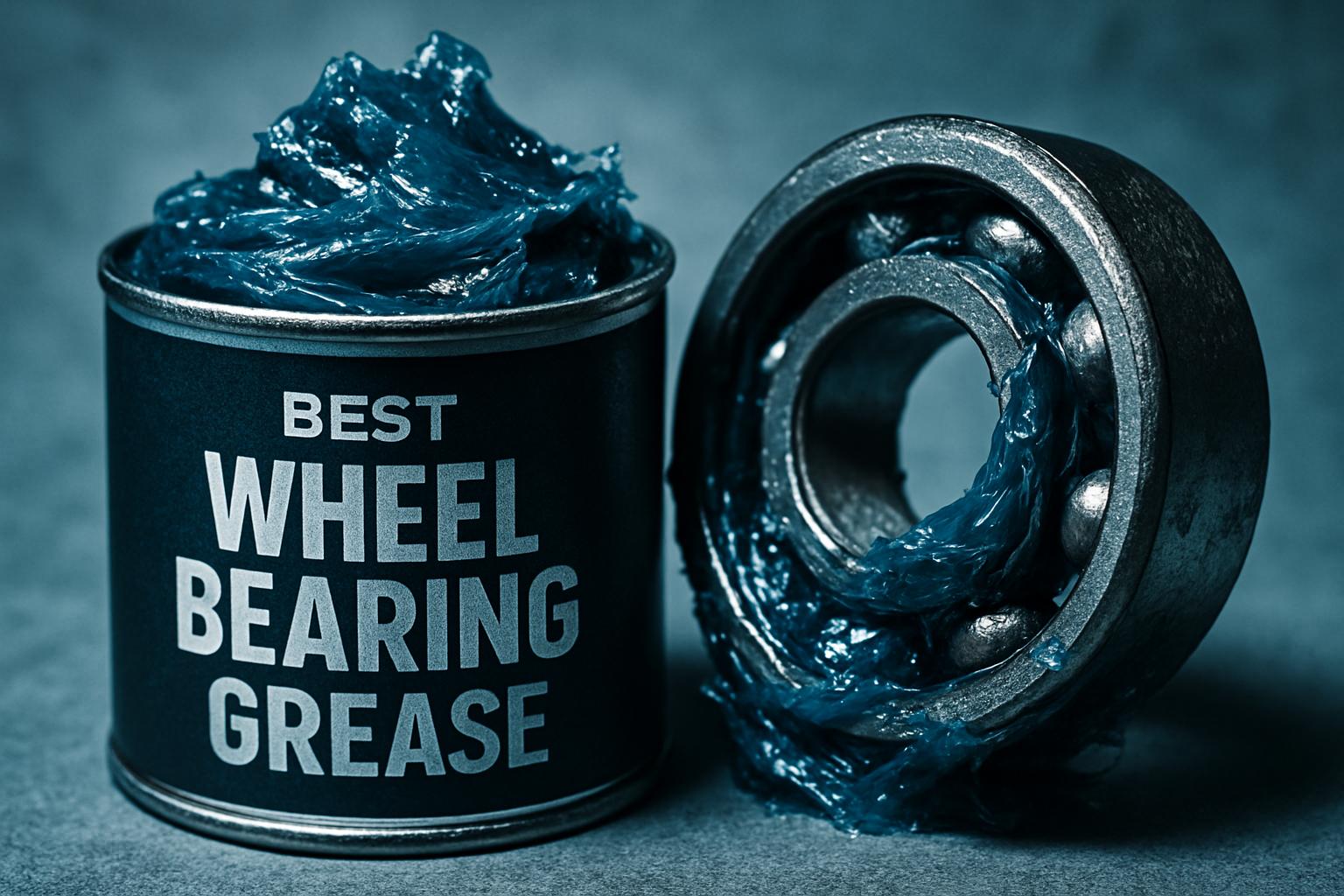
Finding the right grease for wheel bearings is not as simple as it looks. There are so many choices and, honestly, there is a lot of conflicting advice out there. Whether you are trying to stop annoying noises or just want your wheels to last longer, the options can be overwhelming. Here is a quick shortlist of the top picks based on what users like the most:
What Makes a Good Wheel Bearing Grease?
The truth is, not all greases are equal. Some last longer, some protect better, and a few do both. It is easy to get pulled toward marketing claims, but the decision comes down to a few real differences.
A quality wheel bearing grease should resist water, hold up under heat, and provide lasting lubrication to keep bearings spinning without friction.
Trying a few over the years, we noticed some look nearly identical, but the differences show up over time. Some greases break down quickly or get washed out after a bit of rain or a trip through mud. Others stay sticky and in place, even with heavy use.
Chemical Makeup
Wheel bearing greases use different base types, lithium, calcium, or synthetic blends, for example. Lithium is very common, but synthetics last longer when things heat up or for high-speed wheels. Always check if the formula is designed for disk brakes because they run hotter than classic drum brakes.
Temperature Range
This one gets overlooked. Most quality greases cover from minus temperatures up to over 300°F. That said, if it is for a trailer axle, boat, or off-road rig, anything less will probably give out on you.
Protection Against Water
Bearing grease has to resist washout from rain, puddles, or even pressure washers. Marine greases handle this best, but some general types are decent, too. You might notice some brands claim “waterproof”, no grease is totally waterproof, but some come close.
If you notice rust or debris inside the hub after a season, it may not be the bearing, but a poor water-resistant grease choice.
Thickness or Consistency
Greases have a rating called NLGI (National Lubricating Grease Institute). Most wheel bearing greases rank at “2”, thick but workable, almost like peanut butter. If the grease is too thin, it seeps out or does not stay in place; too thick, and it might not reach all the surfaces.
Types of Wheel Bearing Grease
The way greases are marketed can be confusing, but the type does matter. Below are the main categories stuck to for most projects.
- Lithium grease: Reliable for most vehicles and tends to stick well in both cold and hot climates.
- Calcium sulfonate: A newer option, popular for marine use. Offers better water resistance.
- Synthetic grease: Higher price, but great for high-performance or extreme weather.
- Moly (Molybdenum disulfide): Meant for heavy-duty work, not always recommended for wheel bearings because it can affect some bearing types.
How to Choose the Right Grease for Your Bearings
If you are feeling stuck, outlining a step-by-step method can help. Here is a practical guide you can follow:
Comparing the Major Types
Sometimes the technical differences are not obvious until you put each product through tough use. Here is a visual table that summarizes the important features for quick reference.
| Type | Temp Range | Water Resistance | Best For |
| Lithium Complex | High (to 350°F+) | Decent | Cars, trailers, most vehicles |
| Calcium Sulfonate | Very High | Excellent | Marine, ATV, exposed hubs |
| Synthetic | Very High | Good | Performance cars, racing, severe duty |
| Moly Fortified | High | Good | Heavy trucks, industrial, not typical car hubs |
Typical Signs Of Poor Grease
There is no need to overthink this. If your bearings heat up fast, make noise, or look rusty when removed, it points to either bad grease or not enough grease. Grease that turns watery, loses color, or smells burnt has failed. Changing brands repeatedly without cleaning old grease out can also lead to failure.
Buyer’s Checklist: Features That Matter Most
Over the years, people love to debate over which brand or color is best. But these practical features usually matter more than marketing promises.
- Temperature range (wide enough for your goals)
- Thick enough to stick inside the hub
- No separation or oil pooling in storage
- Long shelf-life, no drying out
- Resists water, at least moderate, or better
- Compatible with common bearing materials (steel, rubber seals, etc.)
- Easy to apply without mess
- Non-toxic if pets are a consideration
Choose basics, not marketing. High temperature and water resistance are usually better than fancy packaging or color.
Common Mistakes When Selecting Grease
No one wants to admit they used the wrong type, but it happens. Here are some areas where even professionals make mistakes:
- Mixing greases: New on top of old means chemical reactions and poor lubrication.
- Ignoring temperature: Cheaper greases can liquefy or burn away with high-speed driving.
- Skipping marine grade for trailers: Saltwater kills cheap grease.
- Not cleaning bearings: Grease is not a fix for dirt or grit.
- Assuming all grease colors are the same type.
Pros and Cons Table: Key Points To Weigh
- Protects bearing from rust
- Reduces noise during use
- Extends re-grease interval
- Works in wide temperature range
- Adheres well to metal
- Does not break down quickly
- Often affordable in bulk amounts
- Easy to find in stores
- Multiple formulations for special needs
- Some formulas are messy
- Incorrect type can break down quickly
- High-end synthetics cost more
- Too-thick grease can limit flow
- Mixing old and new types is risky
- Poor water resistance in basic types
- Needs regular inspection
- May evaporate or dry up in storage
- Not always biodegradable
Switching Between Grease Types
Switching Grease Types
Mixing Issues
Switching brands or formulas can help if you want better protection or performance, but only if you fully clean out the old grease. Use rags or a solvent to strip everything, then repack with the new type.
Mixing two grease types can cause separation, leaks, or a gummy mess. This leads to bearing failure faster than you might expect. Stick to one formula per service cycle.
Info Box: When to Re-Apply Grease?
DIY versus Professional Greasing
Paying someone to grease bearings might feel safer, but with the right product and a little patience, it is simple enough to do at home. That said, cleaning out the old grease completely is where most skip, leading to issues later. Packing new grease by hand, carefully working it into every part, takes a bit more time, but results in quieter, longer-lasting bearings.
FAQ About Best Wheel Bearing Grease
What is the best wheel bearing grease for trailers?
Look for a formula with high water resistance and wide temperature range. Marine or calcium-based types are often preferred for trailer hubs that might get submerged often.
Can you mix different wheel bearing greases?
No. Mixing types can cause chemical breakdown or reduce performance. Remove all old grease before applying a new type.
How often should you change wheel bearing grease?
For most vehicles, every 12,000 miles or at each brake service is common. Check more often if driving in harsh weather or on trailers that see water.
Can you use any grease for wheel bearings?
No. Wheel bearing greases must handle high loads and temperature. Universal or general-purpose greases do not offer enough protection. Always check that the label says suitable for wheel bearings.
How do you apply wheel bearing grease?
After cleaning old grease, pack new grease by hand or use a bearing packer. Make sure to work the grease into all spaces in the bearing before reinstalling.
The topic of the best wheel bearing grease can get as complicated or as simple as you want to make it. Each situation calls for just a bit of thought. What are your driving habits? Do you tow, drive off-road, or live in a wet climate? Priority should always be on proven protection, not just what is cheap or fancy-looking. Try focusing on water resistance and temperature capability, and you will probably be ahead of the game. If you are in doubt, is it better to stay with the known or try something new? Maybe the answer depends on how frequently you want to re-grease those wheels.