
START HERE
The short answer
Body butter is generally marketed as a richer texture, and lotion as a lighter one. Compare the exact formulas: body butter can contain water, lotion can contain oils, and neither label alone proves better moisturizing or skin tolerance.
- Body butter does not automatically mean a water-free product.
- Texture preference and fragrance sensitivity are separate questions.
- For persistent dryness, choosing a thicker cosmetic is not a substitute for assessment.
Use the texture label as a clue
CeraVe describes lotions as typically lighter than creams and richer formats. A body butter is commonly presented as a thicker, scoopable product, but brands can formulate it differently. Judge the actual texture rather than assuming that every butter feels heavy or every lotion disappears immediately.
Packaging can help you anticipate the routine: a pump may suit quick full-body application, while a tub lets you scoop a richer product. Neither package proves how well a moisturizer performs. If possible, start with a manageable size before committing to a large container.
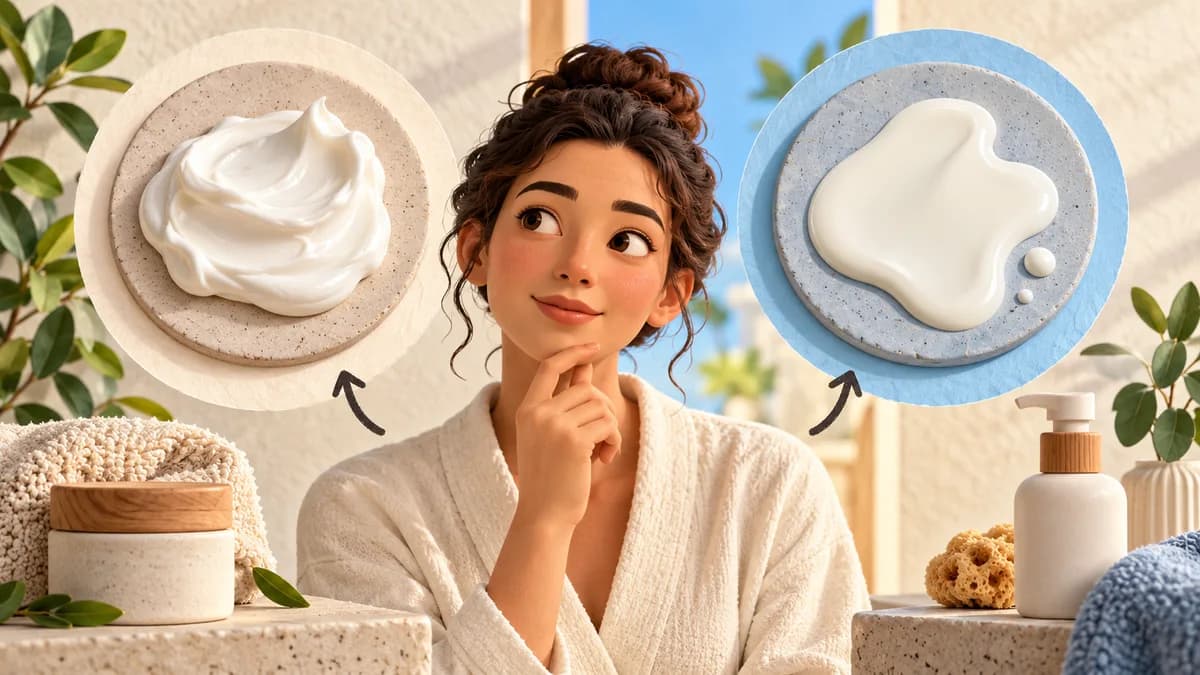
Sources: CeraVe: Lotion, cream, gel and ointment; The Body Shop US: Shea Body Butter ingredients
Read beyond the butter named on the front
The Body Shop US Shea Body Butter ingredient list begins with water and includes shea butter, cocoa butter, glycerin and other ingredients. It is a useful counterexample to the idea that every body butter is simply a jar of pure plant fat.
Likewise, a lotion can include oils and other ingredients that affect its finish. Compare the complete current ingredient list, including fragrance, rather than treating a single highlighted ingredient as a guarantee. Formulas can differ across countries and change over time.
Sources: The Body Shop US: Shea Body Butter ingredients; CeraVe: Lotion, cream, gel and ointment
Keep comfort and fragrance separate
A rich texture can feel pleasant on dry areas yet inconvenient under clothing; a lighter lotion may be easier to spread when you are getting ready quickly. These are personal preferences to assess with the actual product, not promises made by the category name.
AAD recommends fragrance-free products when caring for dry skin and distinguishes fragrance-free from unscented. Choosing a lighter texture will not remove fragrance from a scented formula. If a moisturizer irritates your skin, stop using it instead of simply applying a thinner layer.
Sources: American Academy of Dermatology: Relieving dry skin
Build a routine you can repeat
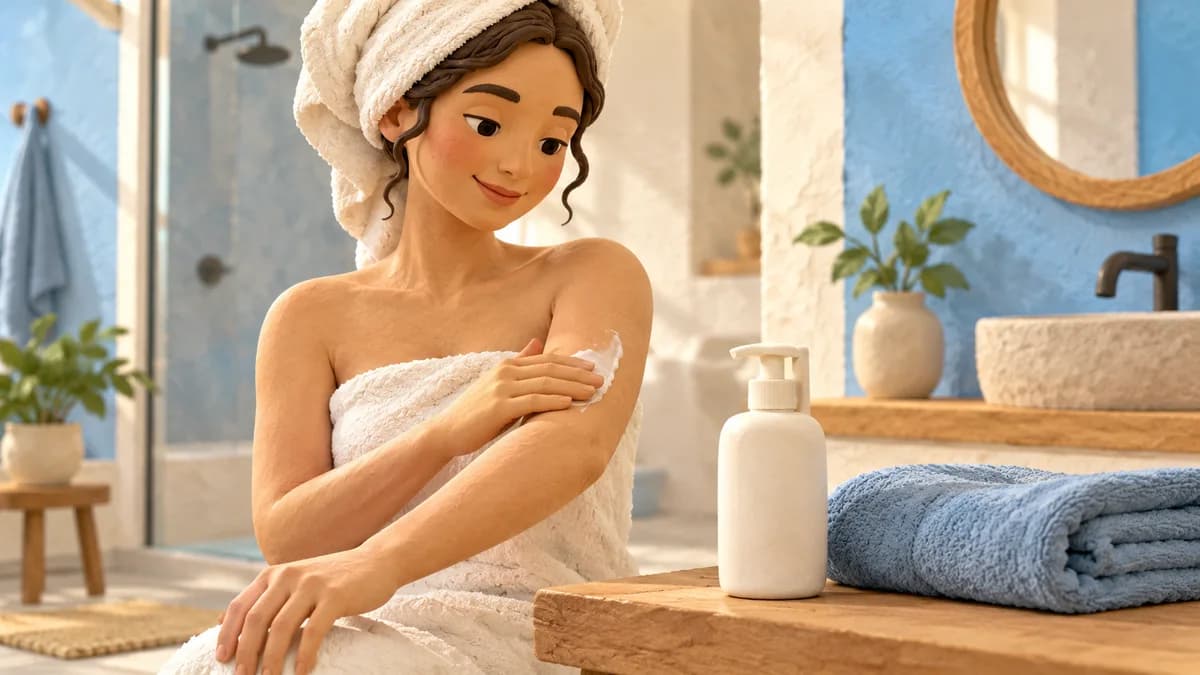
AAD advises applying moisturizer after washing while skin is still damp. That timing can be more useful than repeatedly changing between fashionable product names. Follow any special directions on your chosen product and avoid assuming body products are suitable for the face.
You might prefer one texture after a shower and another for small dry areas, but there is no requirement to layer both butter and lotion. Start simply so you can tell whether the product feels comfortable and fits your routine.
Sources: American Academy of Dermatology: Relieving dry skin; American Academy of Dermatology: Choosing a moisturizer
Choose for the job, not the jar
For very dry skin, AAD generally favors a cream or ointment over a lotion. That guidance is not an endorsement of every product called body butter. If dryness persists, cracks, bleeds or becomes uncomfortable, ask a dermatologist rather than relying on a cosmetic texture label.
Our body-lotion guide compares specific formulas and packaging. Use it to check fragrance and texture choices, while keeping richer creams or other suitable options open if a lotion does not meet your needs.
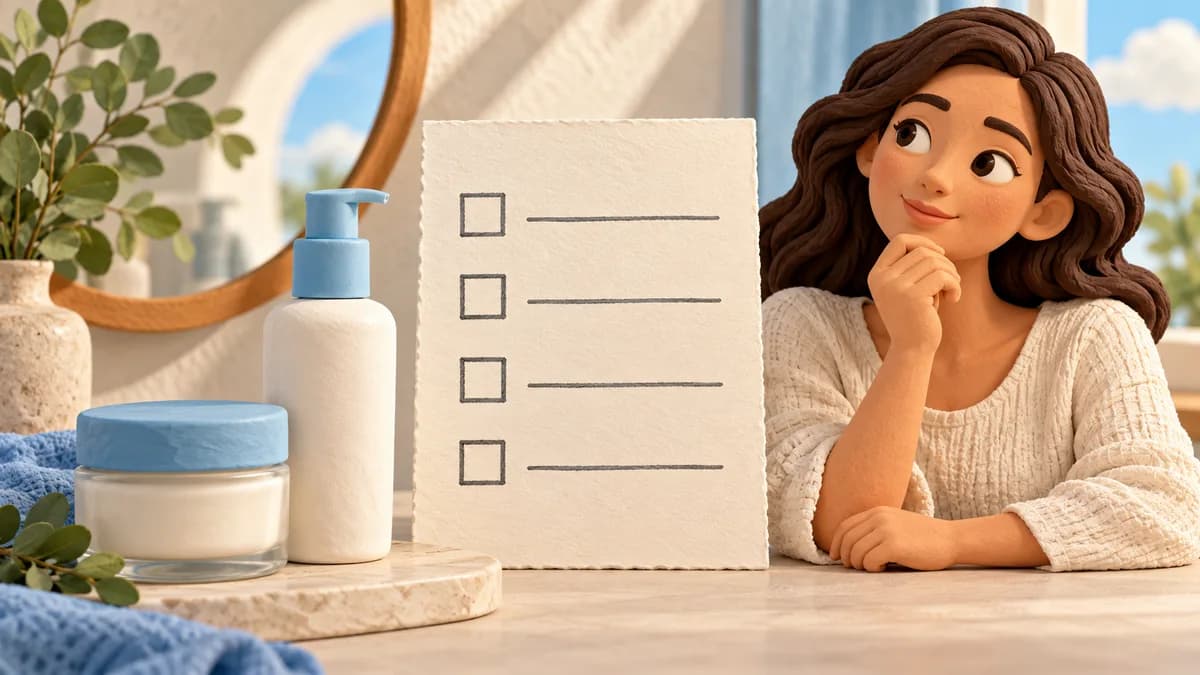
| Question | What to check |
|---|---|
| Do I like a rich finish? | Try the actual texture instead of assuming from the name. |
| Am I avoiding fragrance? | Look for fragrance-free labeling and read ingredients. |
| Where will I apply it? | Check face versus body directions. |
| Will I use it regularly? | Choose practical packaging and a comfortable finish. |
Sources: American Academy of Dermatology: Relieving dry skin; American Academy of Dermatology: Choosing a moisturizer
Common questions
Does body butter contain water?
It can. The cited Shea Body Butter formula lists water first. Check your exact product rather than assuming all body butters are water-free.
Should I use lotion and body butter together?
There is no general need to use both. A simple routine with a suitable moisturizer may be enough; follow the product directions and your skin response.
Is body butter better for dry skin?
Not automatically. AAD often recommends creams or ointments for very dry skin, but the word butter alone does not establish the formula or suitability.
PUT IT INTO PRACTICE
Compare your options
Compare fragrance, texture and practical packaging rather than choosing by the word men alone.
Compare five body lotions for menSources and editorial approach
ChooseRight researched the sources below to explain the topic and its practical trade-offs. Examples are illustrations, not results from our own product testing. Sources checked October 28, 2026. Artwork is AI-generated for explanation and does not document hands-on testing.