
START HERE
The short answer
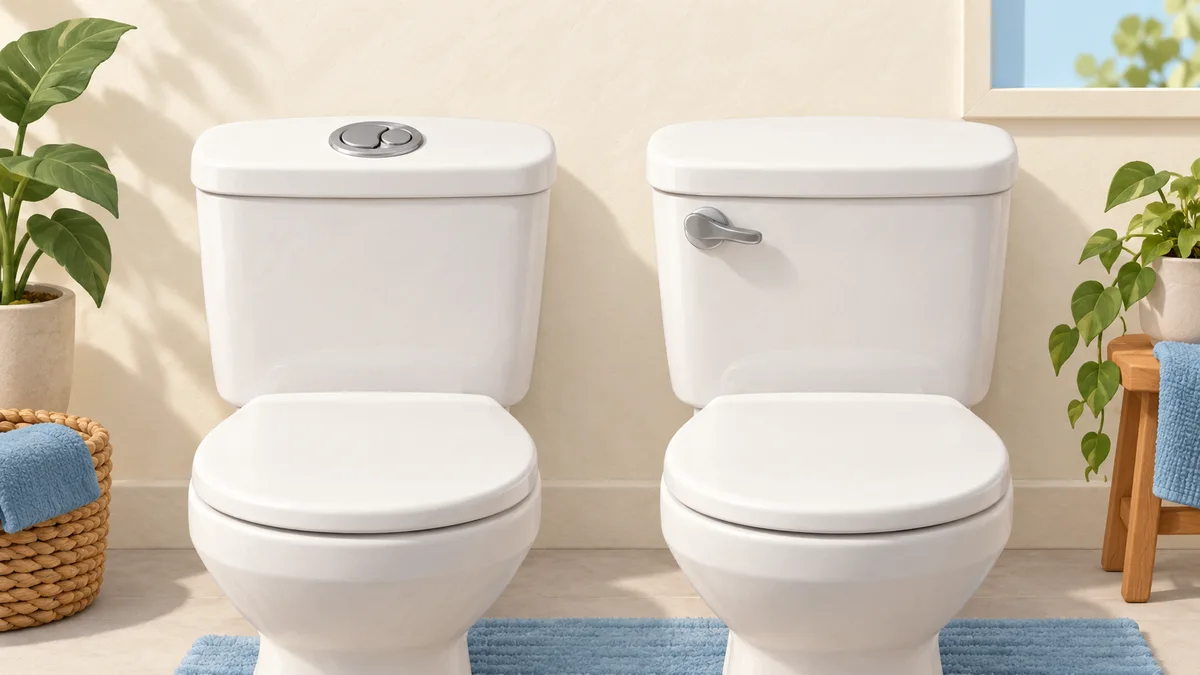
Dual-flush toilets offer reduced and full flush modes. Single-flush toilets use one rated volume. Compare exact ratings and household usability: an efficient single-flush model can be a better fit than a dual-flush model whose controls are confusing.
- Check both flush ratings on a dual-flush model.
- WaterSense certification is more useful than assuming two buttons mean better performance.
- Clear controls and available replacement parts matter after installation.
What the controls actually change
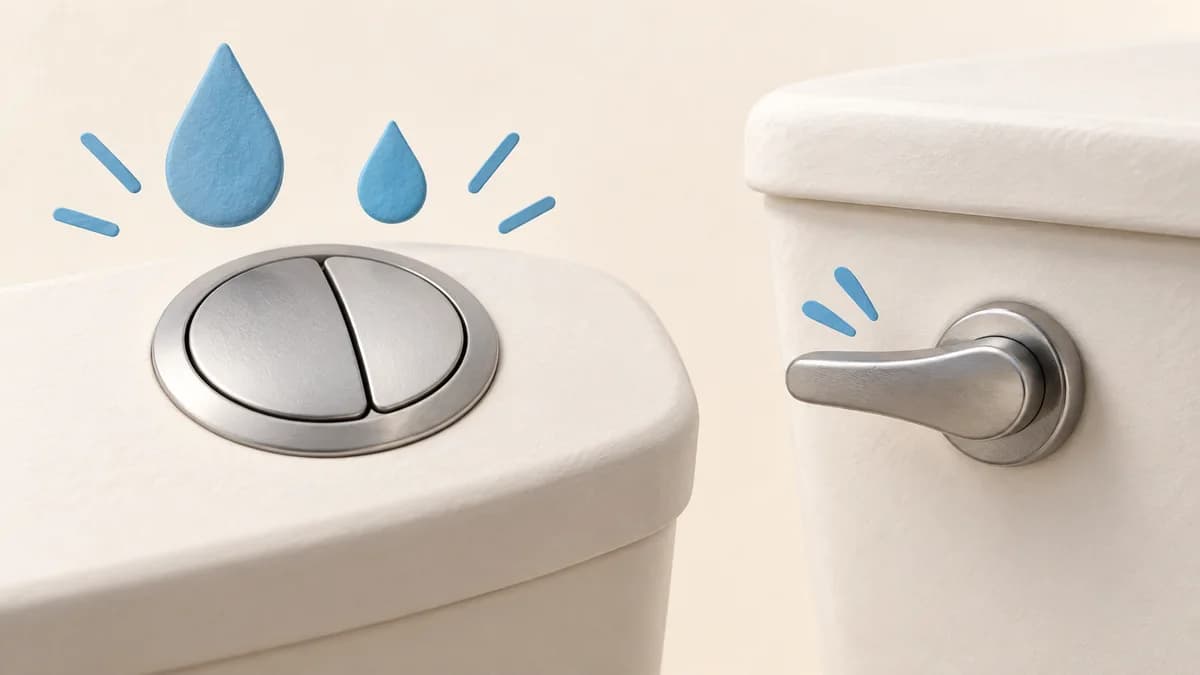
A single-flush toilet uses the same intended flush cycle each time. A dual-flush toilet lets the user select a reduced flush for liquid waste or a full flush for solid waste. Buttons, split handles and other control designs are model-specific, so do not assume every mechanism works the same way.
Before buying, ask the people who will use the bathroom to look at the controls. Can they identify the correct option and operate it comfortably? EPA guidance specifically calls for understandable dual-flush controls. A guest bathroom may benefit from an obvious label, while a household with limited hand mobility should assess reach and operating effort.
Sources: EPA toilet controls and installation technical sheet
Compare the rated volumes, not the button count
Read the gallons-per-flush figures on the exact specification sheet. For dual-flush toilets, record both modes. WaterSense-labeled toilets are independently certified against efficiency and performance criteria; check the model in the EPA product directory instead of assuming an entire brand qualifies.
An illustrative calculation shows why habits matter: three reduced flushes at 0.8 gallons and one full flush at 1.28 gallons total 3.68 gallons. Four single flushes at 1.28 gallons total 5.12 gallons. These are illustrative comparison figures, not measured household savings or specifications for a recommended toilet. Actual usage, repeat flushing and leaks change the result.
| Record this | Why it matters |
|---|---|
| Single-flush rated volume | The intended amount for every cycle |
| Dual-flush reduced and full volumes | Both determine household water use |
| Exact WaterSense model listing | Confirms certification rather than a broad brand claim |
Sources: EPA WaterSense residential toilets and current specification status
Choose controls your household will use correctly
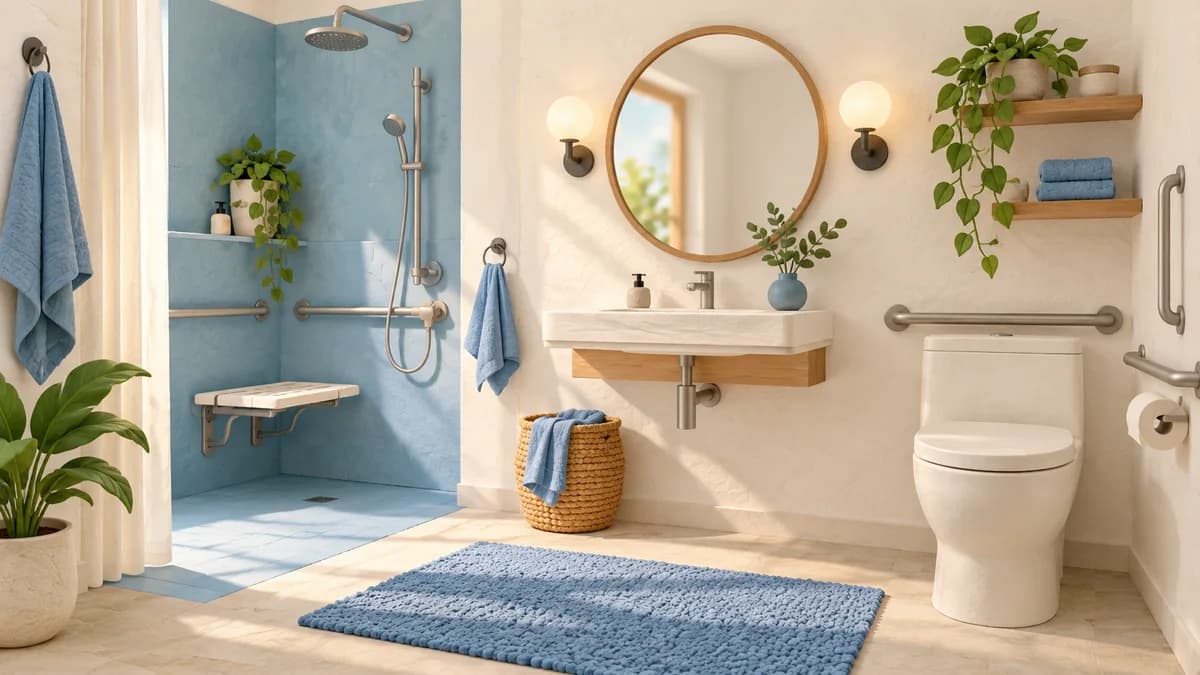
Think about who uses this bathroom most often. A frequently used family bathroom, a guest room and a bathroom used by someone with limited reach can have different priorities. Do not choose a hard-to-reach tank-top button simply because it looks tidy in a photograph.
Control type is also separate from bowl shape, seating height and rough-in. First eliminate toilets that do not fit the room or plumbing. Then compare the remaining flush choices. A preferred control layout is of little use if the lid hits a shelf or the toilet projects into the door swing.
Sources: KOHLER toilet buying guide; EPA toilet controls and installation technical sheet
Identify the mechanism before ordering replacement parts
Keep the toilet model number and the installation guide after purchase. The replacement seal, flush valve or button assembly must match the actual mechanism. A generic description such as dual flush is not enough to select a part, and a familiar brand name does not make all its components interchangeable.
If the toilet begins running between uses or needs repeated flushing, investigate the cause rather than accepting higher water use as normal. EPA notes that worn or misaligned flush components can leak. Follow the manufacturer troubleshooting instructions, and ask a plumber when the problem involves installation, drainage or an unclear replacement part.
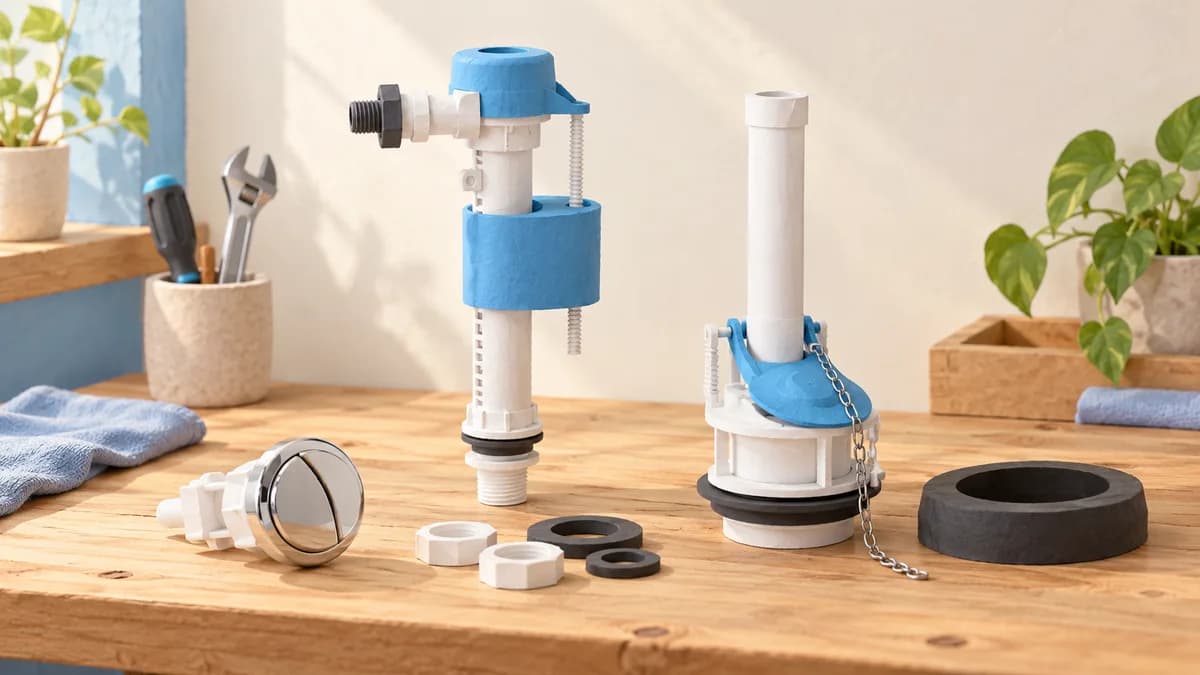
Sources: EPA toilet controls and installation technical sheet
Make the final choice with a short comparison
Put two or three suitable model numbers side by side. Record fit, each flush rating, control position, included seat and the part numbers for routine repairs. This keeps a useful feature from hiding a mismatch elsewhere in the package.
Choose dual flush when the reduced mode offers a worthwhile option and the household can use it comfortably. Choose single flush when a suitable efficient model gives you the simpler routine you want. Neither choice guarantees clog-free operation, and the condition of the plumbing remains part of the result.
- Verify the exact rough-in and overall dimensions.
- Compare all published flush volumes.
- Try the control layout where practical.
- Save the model number and parts diagram.
Sources: KOHLER toilet buying guide; EPA WaterSense residential toilets and current specification status
Common questions
Is dual flush always more water-efficient?
No. Compare the exact reduced and full volumes with the single-flush alternative, then consider how the toilet will be used.
Does WaterSense mean every flush is 1.28 gallons?
Do not infer each mode from the label alone. EPA currently says version 1.2 remains in effect while version 2.0 is paused; check the exact dual-flush ratings and current certification.
Can I convert any toilet to dual flush?
Not automatically. Conversion hardware must be compatible with the specific tank and flushing system. Ask the manufacturer rather than assuming a universal kit preserves performance or certification.
PUT IT INTO PRACTICE
Compare your options
Compare exact bowl shapes, rough-ins, flush systems and package contents.
Compare five Kohler toiletsSources and editorial approach
ChooseRight researched the sources below to explain the topic and its practical trade-offs. Examples are illustrations, not results from our own product testing. Sources checked October 28, 2026. Artwork is AI-generated for explanation and does not document hands-on testing.