
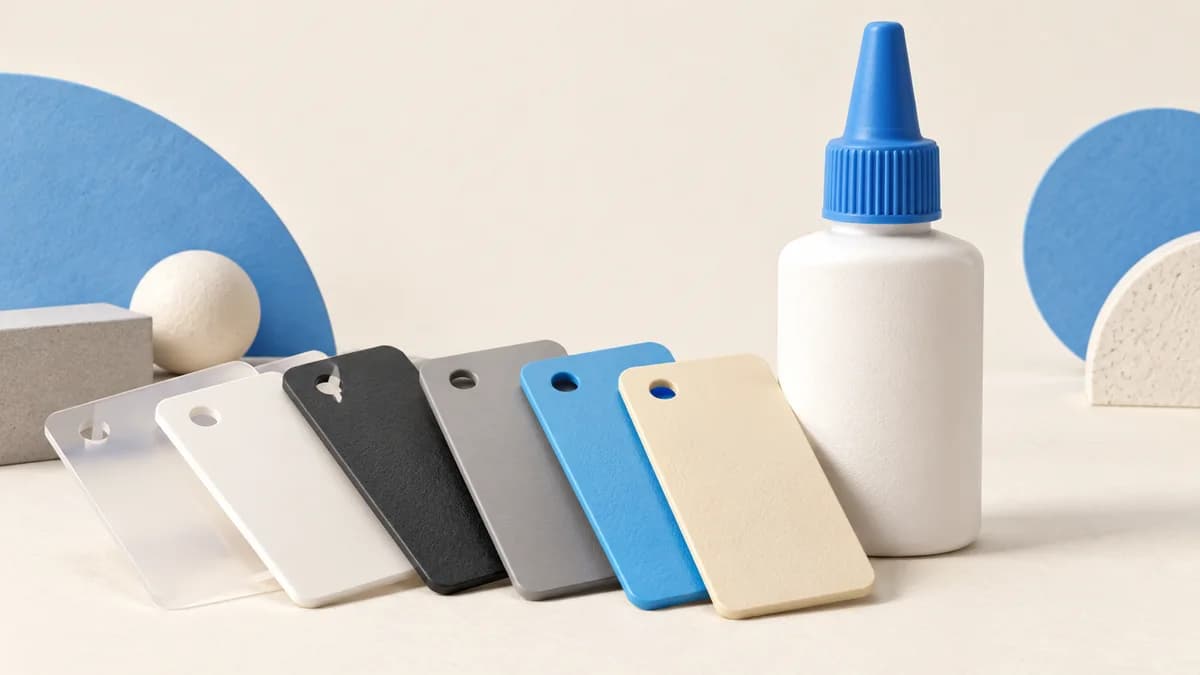
START HERE
The short answer
Identify the plastic, choose an adhesive that explicitly supports it, dry-fit the pieces, prepare the surfaces as directed and support the joint through full cure. If the material is unknown or the part is safety-critical, seek manufacturer guidance or replace it.
- PP and PE require particular attention to compatibility.
- Do not assume a solvent or sanding method is safe for every plastic.
- A firm-looking joint is not proof of food-contact, pressure or structural suitability.
Look for a material marking before shopping for glue
Check the underside, molded lettering, packaging or manufacturer documentation for a material name or abbreviation. ABS, PVC, PP and PE are different plastics. A recycling marking may help identify the resin family, but it does not tell you everything about coatings, additives or the stresses on the finished part.
If no useful marking is present, contact the manufacturer or treat the material as unknown. Do not burn, melt or expose it to random solvents as an identification experiment. Photographing the part and its marking can help an adhesive supplier give a more specific answer than asking which glue works on plastic.
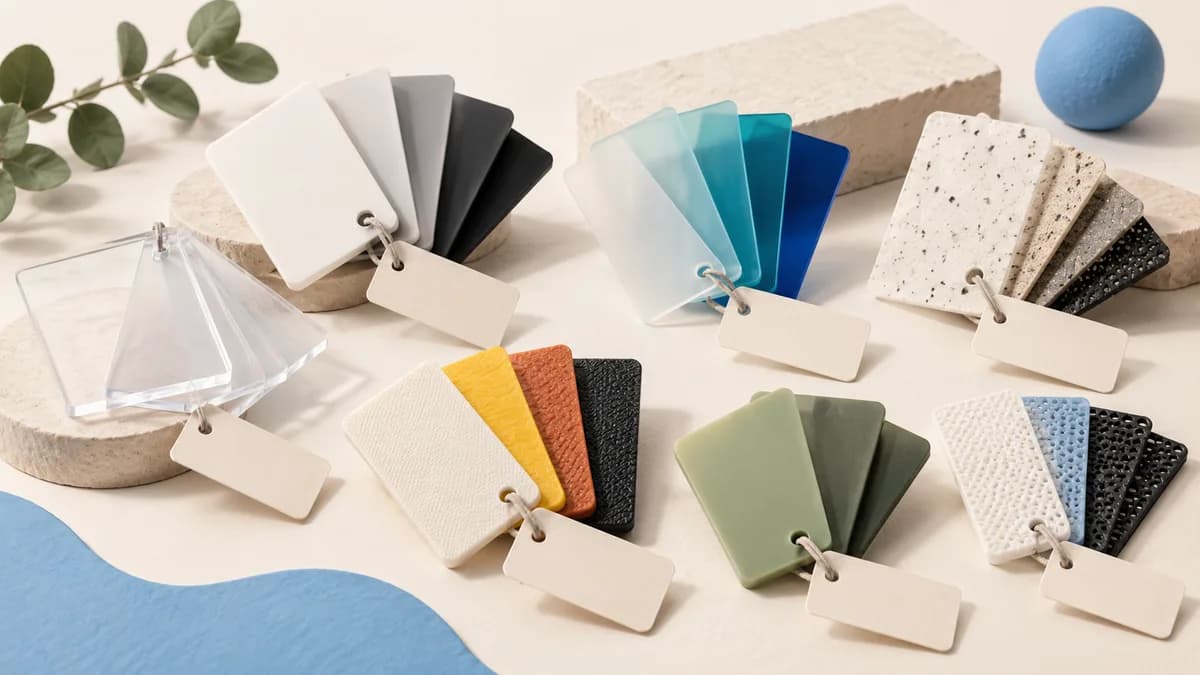
Sources: Loctite plastic glue material guidance; 3M low-surface-energy plastic bonding guidance
Check the exclusion list as carefully as the front label
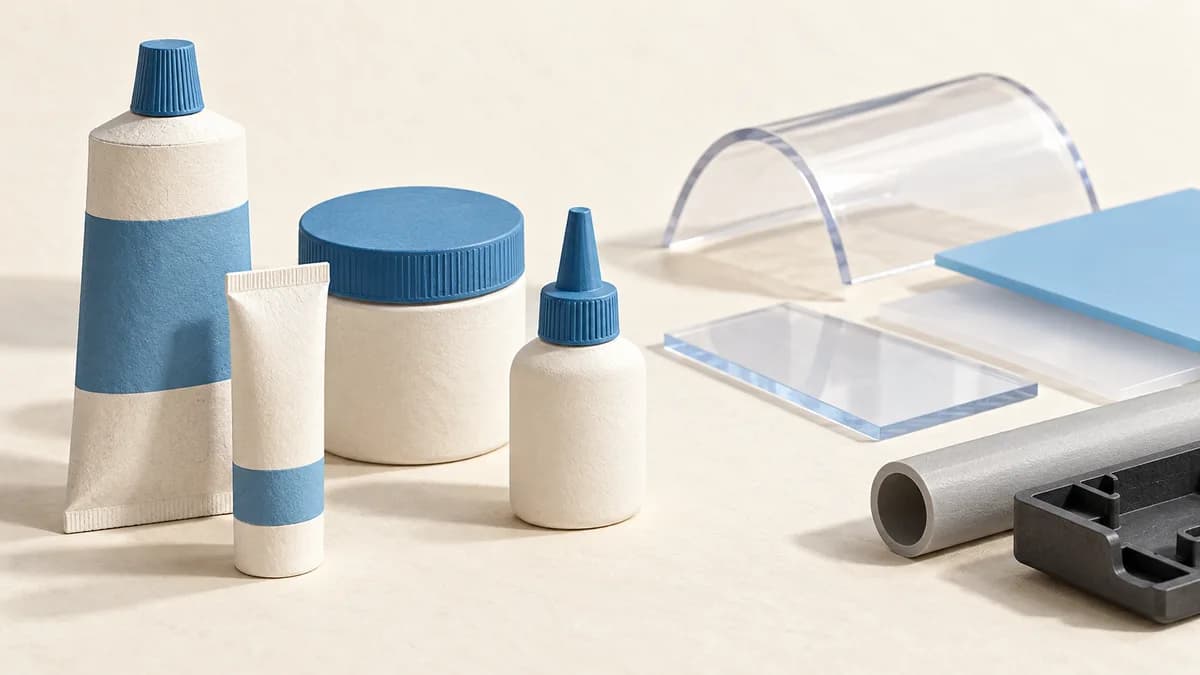
Choose a product whose technical information supports the actual plastic and the other surface in the joint. Polypropylene and polyethylene are difficult for many ordinary adhesives. A product can say plastic repair prominently and still exclude them; J-B Weld PlasticWeld putty, for example, has material limitations that must be checked.
Also describe how the part is used. A rigid decorative joint is different from a hinge, a flexible clip or a water-exposed assembly. Do not extend a general compatibility statement into food-contact, pressure, medical or load-bearing approval. When the object manufacturer offers a replacement part, compare that route before choosing a permanent repair.
| Information needed | Why it changes the choice |
|---|---|
| Plastic type | Determines compatible adhesive families |
| Other surface | Both sides must be supported |
| Joint gap and movement | Changes the required adhesive behavior |
| Heat, moisture and use | May exclude an otherwise compatible formula |
Sources: J-B Weld PlasticWeld epoxy putty material limitations; 3M low-surface-energy plastic bonding guidance
Dry-fit first and use only compatible preparation
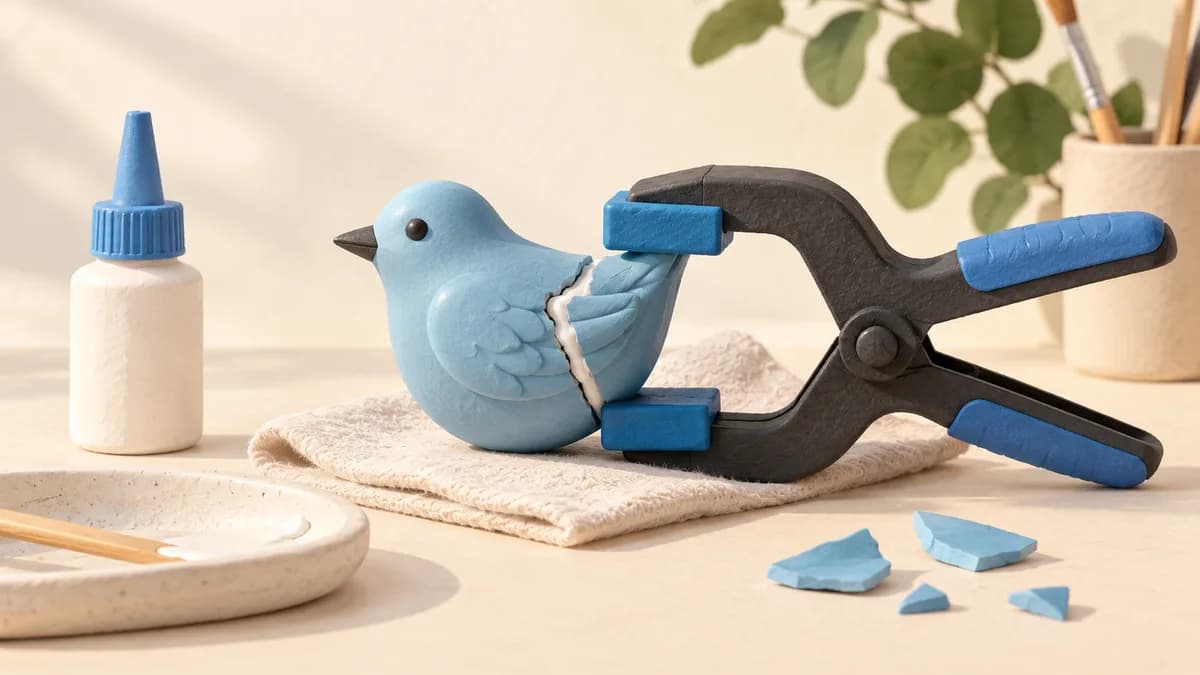
Place the pieces together without adhesive to check alignment and missing material. Arrange a support or clamp that holds the intended position without crushing the item. Protect the work surface and make sure you can complete the application without touching the wet bonding area.
Follow the product directions for cleaning, drying and any abrasion. A cleaner that removes grease from metal can damage a plastic surface or its finish. Do not assume acetone, flame treatment or aggressive sanding is appropriate. Use the stated protection and ventilation, and keep the product safety information available.
Sources: Henkel Loctite Instant Mix Epoxy technical data, April 2025; Gorilla adhesive safety information
Apply and support according to the exact product
Use only the specified quantity, ratio and application sequence. A two-part epoxy, a cyanoacrylate with primer and a plastic solvent cement are different systems. Adding more adhesive or hardener is not a dependable way to make a repair stronger, and mixing instructions from different products can defeat the cure.
After assembly, leave the joint supported for the required period and wait for the stated cure before normal use. Temperature and other conditions can affect the schedule. Avoid repeatedly bending or pulling the pieces to see whether they have set; that is not a substitute for the manufacturer timing and may disturb the developing bond.
Sources: Henkel Loctite Instant Mix Epoxy technical data, April 2025; Loctite plastic glue material guidance
Inspect without treating a home check as certification
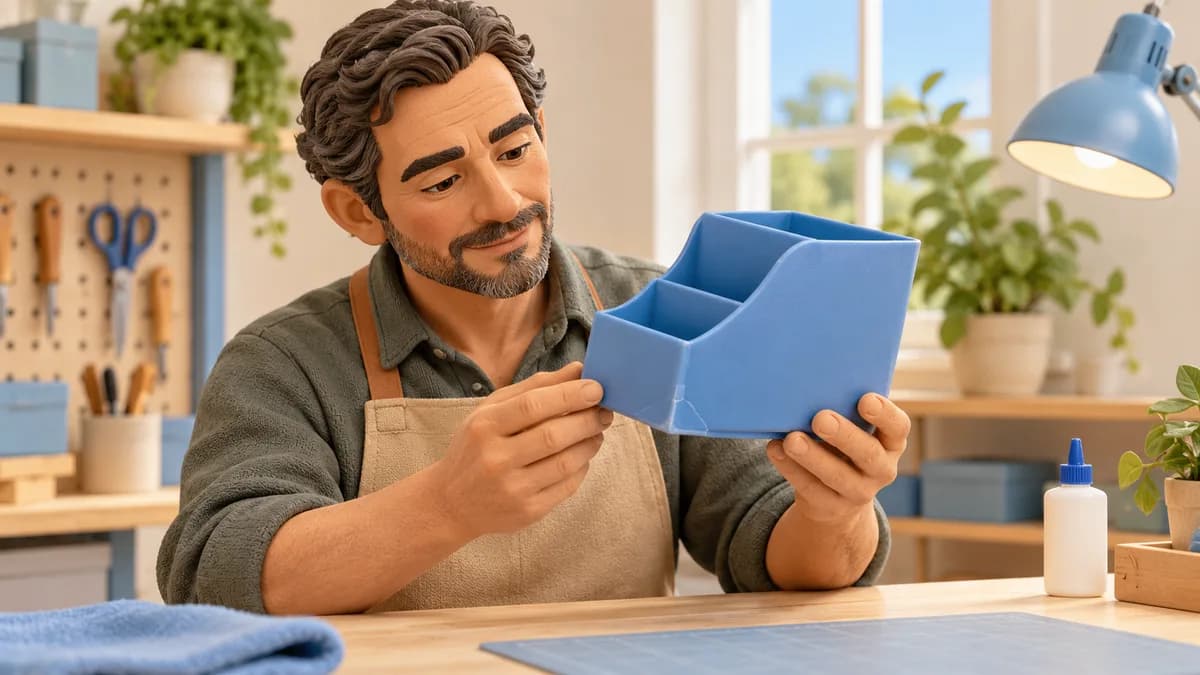
After the specified cure, inspect the alignment and visible joint before returning a noncritical object to gentle normal use. Soft or uncured adhesive, separation or a new crack calls for stopping and reassessing the repair. Do not simply cover a failed joint with another incompatible adhesive.
Keep the product name and repair date if the object will remain in service. If the joint must hold weight, contain pressure, contact food or protect a person, a visual check is not enough to establish suitability. Use a manufacturer-approved repair or replace the part. The aim is a suitable repair, not keeping every broken item at any cost.
- Confirm full cure rather than only initial set.
- Check alignment and obvious separation.
- Stop if the joint remains soft or fails.
- Use approved methods for critical parts.
Sources: 3M material bonding and surface energy; J-B Weld PlasticWeld epoxy putty material limitations
Common questions
Why did the glue peel off my plastic?
Possible causes include an incompatible plastic, contamination, unsuitable preparation, movement or insufficient cure. Identify the material and review the exact instructions before trying again.
Can I glue polyethylene or polypropylene?
Some specialized systems support them, but many common epoxies and super glues do not. Look for explicit compatibility and follow the specified preparation.
Should I sand every plastic before gluing?
No. Preparation depends on the plastic, finish and adhesive. Follow the exact directions; unnecessary abrasion can damage a small or visible part.
PUT IT INTO PRACTICE
Compare your options
Check exact materials, cure requirements and product limitations before choosing a repair adhesive.
Compare epoxy and bonders for plasticSources and editorial approach
ChooseRight researched the sources below to explain the topic and its practical trade-offs. Examples are illustrations, not results from our own product testing. Sources checked October 28, 2026. Artwork is AI-generated for explanation and does not document hands-on testing.