
START HERE
The short answer
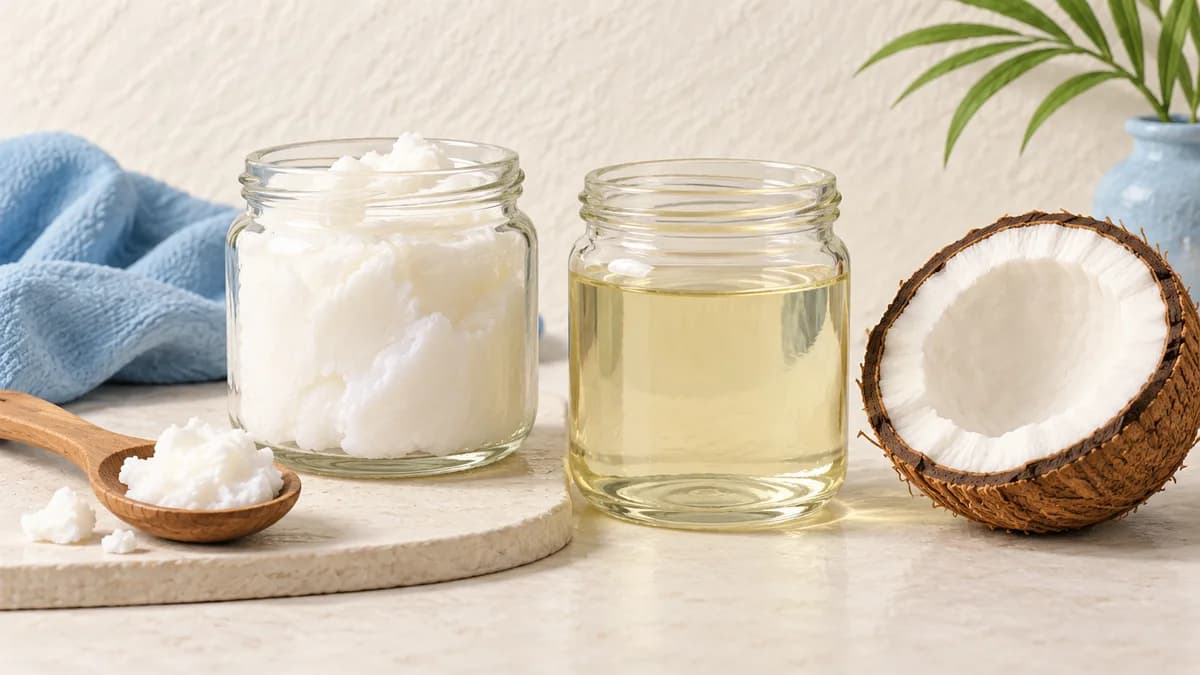
Refined coconut oil is usually the more neutral-tasting choice; unrefined or virgin oil generally retains coconut aroma. Choose the exact product by its flavor and cooking directions, not by assuming one processing label makes it universally better.
- Refined and virgin oils can taste different.
- Smoke-point claims belong to the exact product.
- Buttery flavored oil is a separate ingredient choice.
What processing changes
Nutiva describes its refined oil as expeller-pressed and steam-refined, and its virgin version as cold-pressed from fresh coconuts. Those descriptions explain how this manufacturer produces its two products. They do not mean every producer follows an identical process.
Read the full product name rather than stopping at coconut oil. Refined, virgin, liquid and butter-flavored products can serve different purposes. The label should tell you what you are buying; vague purity language does not replace an ingredient list or cooking guidance.

Sources: Nutiva refined coconut oil information; Nutiva virgin coconut oil information
Decide whether you want coconut flavor
A neutral refined oil is useful when you want the corn, spices or other ingredients to provide the flavor. A virgin oil can make sense when coconut aroma is welcome in the finished dish. This is a preference question rather than a universal quality ranking.
For popcorn, think about the toppings you plan to add. A coconut note may suit one sweet recipe but be distracting in another. Butter-flavored coconut oil adds another variable: it is not simply the same thing as a neutral refined jar, so check flavorings and other listed ingredients.

| Choice | Useful when | Check |
|---|---|---|
| Refined neutral oil | You want other ingredients to lead | Exact cooking directions |
| Virgin or unrefined oil | Coconut aroma is welcome | Flavor and heat guidance |
| Butter-flavored coconut oil | You want a flavored popcorn style | Flavorings, color and allergens |
| A different cooking oil | Coconut oil does not fit the recipe | Appliance and recipe compatibility |
Sources: Nutiva refined coconut oil information; Nutiva virgin coconut oil information
Use product-specific heat guidance
Nutiva gives different cooking positioning to its refined and virgin oils. Do not turn one brand's smoke-point figure into a universal specification for every coconut oil. We have not measured smoke points, and the condition of the oil and cooking setup also matter.
Follow the recipe and appliance instructions, supervise the pan and avoid deliberately heating oil until it smokes. A hot-air popper is a separate case: Presto prohibits oil in its popping chamber. An oil suitable for a stovetop recipe is not permission to add it to an air-popper chamber.

Sources: Nutiva refined coconut oil information; Nutiva virgin coconut oil information; Presto hot-air popper instructions
Check the ingredient list and storage instructions
A single-ingredient refined coconut oil differs from a flavored blend, even when their containers look similar. Check the actual jar for added flavor, color or other oils, and review allergen information if that affects your choice. Front-of-pack words cannot answer all those questions.
Coconut oil can be solid or semi-solid in cooler conditions and liquid when warmer. Nutiva says that change is normal and recommends storage away from direct sunlight. Keep the lid closed and use clean dry utensils; do not assume every unusual smell or sign of contamination is explained by temperature.

Sources: Nutiva refined coconut oil information; Nutiva virgin coconut oil information
Make a cooking decision rather than a health ranking
Choose the flavor you want, confirm the heating method, and buy a size that fits your cooking frequency. A small jar can be a better trial than a large tub when you have not cooked with that flavor before. For popcorn, separate oil used in an approved popping method from topping added afterward.
This comparison does not establish that either form treats a condition, improves weight loss or is the healthiest oil for everyone. It also does not extend cooking guidance to hair or skin use. If your diet has specific medical restrictions, choose within those instructions rather than using a processing label as a shortcut.

- Choose neutral or coconut flavor deliberately.
- Check the exact label and cooking directions.
- Confirm that the appliance permits oil.
- Keep flavor and storage preferences separate from health claims.
Sources: Nutiva refined coconut oil information; Nutiva virgin coconut oil information; Presto hot-air popper instructions
Common questions
Is refined coconut oil the same as butter-flavored oil?
No. A refined oil can be unflavored. Butter-flavored products include a separate flavor formulation that must be checked on the label.
Does solid coconut oil mean it has gone bad?
Not by itself. Coconut oil naturally changes state with temperature. Follow storage guidance and assess other signs of a problem separately.
Which should I use for popcorn?
Choose by flavor and the instructions for your oil-compatible method. Do not add either type to a hot-air popping chamber that prohibits oil.
PUT IT INTO PRACTICE
Compare your options
Compare neutral and flavored options with appliance restrictions.
Compare popcorn oilsSources and editorial approach
ChooseRight researched the sources below to explain the topic and its practical trade-offs. Examples are illustrations, not results from our own product testing. Sources checked October 28, 2026. Artwork is AI-generated for explanation and does not document hands-on testing.