
START HERE
The short answer
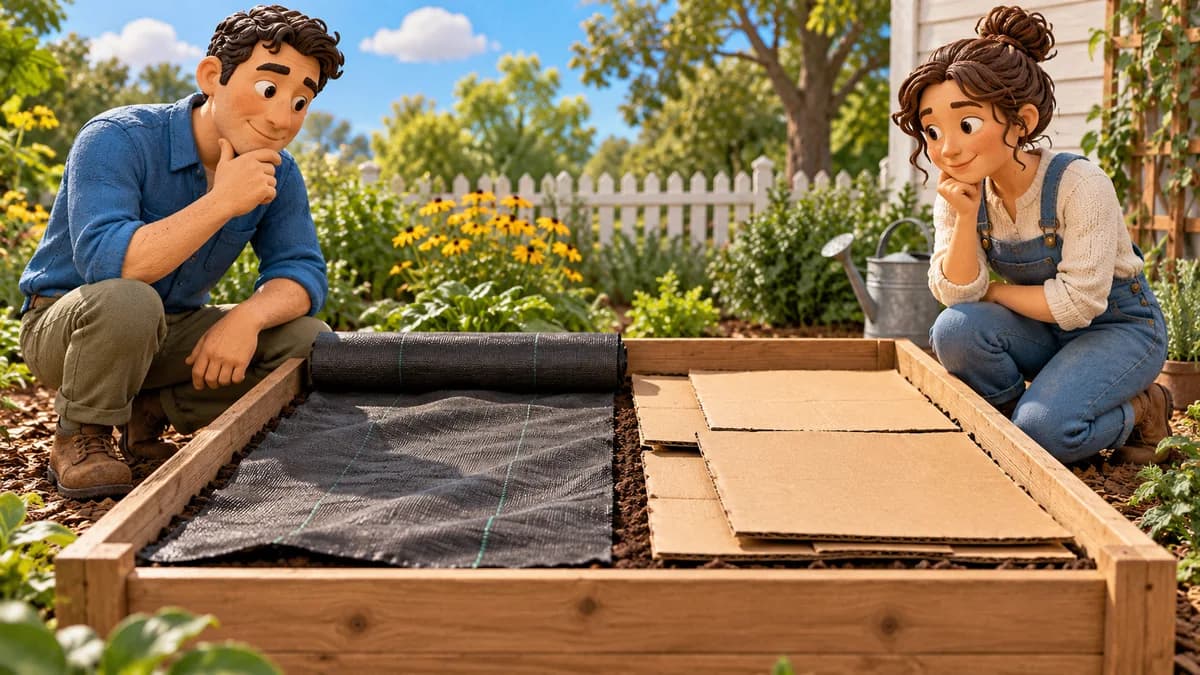
Cardboard is a temporary sheet-mulching material; synthetic landscape fabric is a longer-lasting barrier that eventually needs removal. Neither creates a permanently weed-free bed, and thick layers can interfere with water movement.
- Choose by the future use of the area.
- Remove tape and staples from suitable cardboard.
- Check water movement and emerging weeds after installation.
Start with the job, not the material
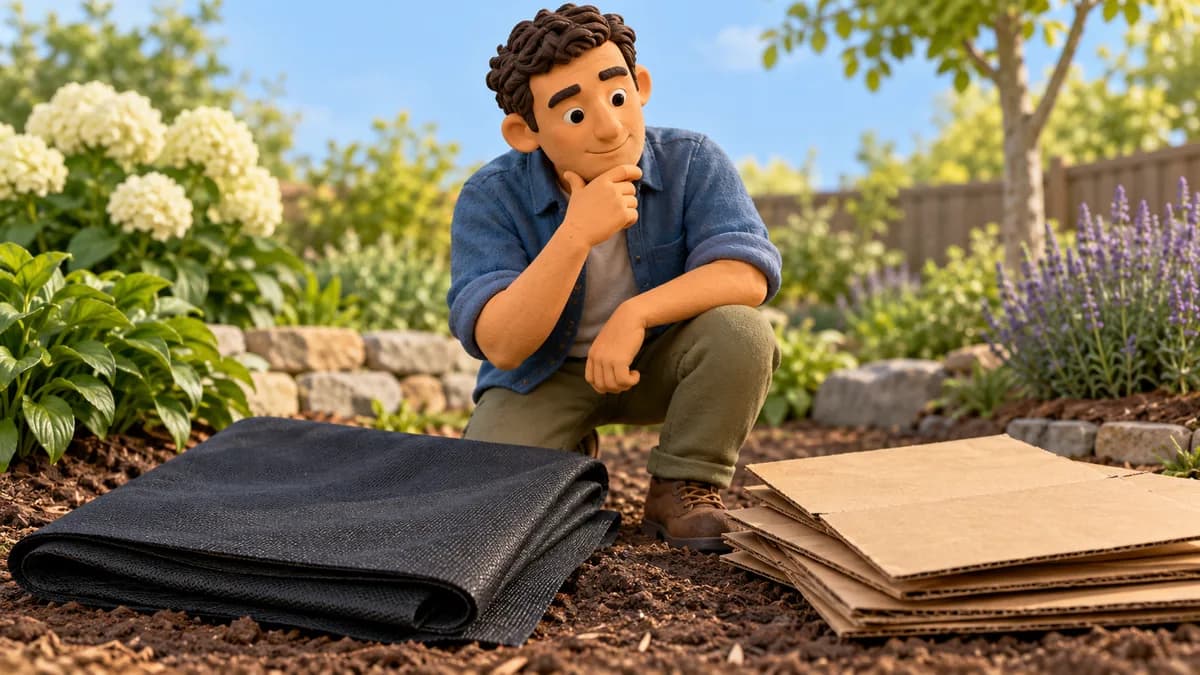
Cardboard can provide temporary cover while establishing a bed. Synthetic fabric is more relevant where a defined separation or ground-cover layer is wanted and later removal is practical.
Write down whether you will dig, add compost or move plants next year. A sheet that must be cut and patched every time may be a poor fit for that routine.
Sources: Iowa State Extension: using mulch in the garden; University of Minnesota Extension: fabric and paper mulches
Keep soil access in the plan
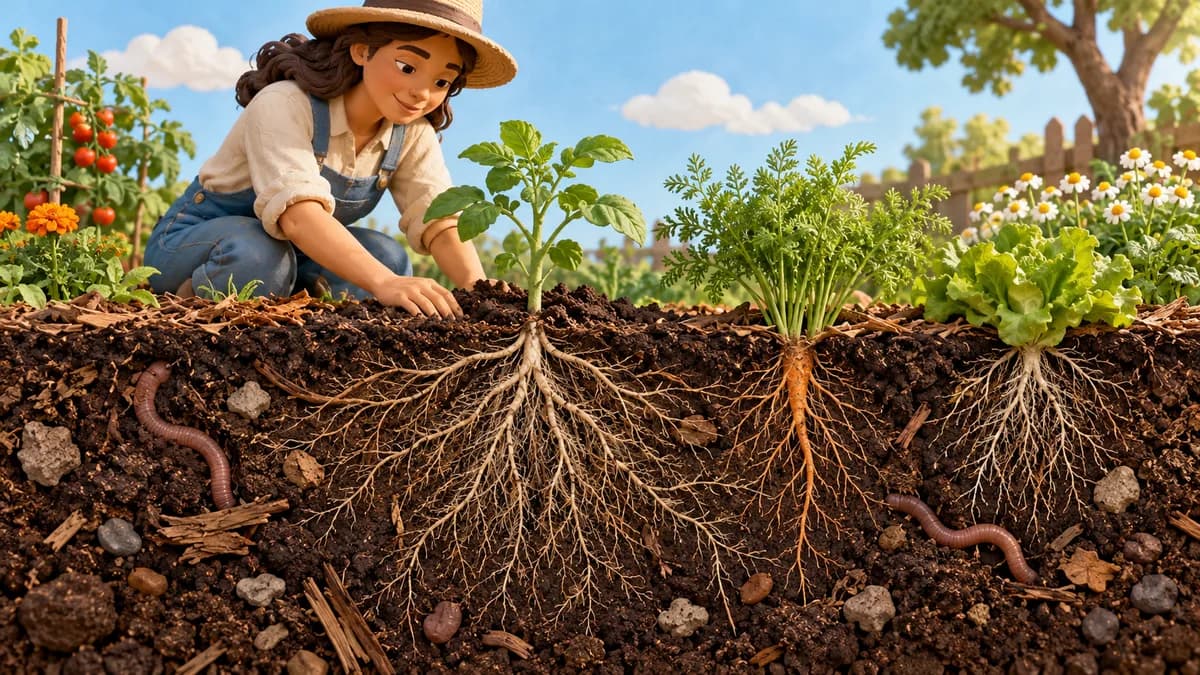
Both materials form a sheet at the soil surface. More layers do not automatically make a healthier planting area, especially where water already pools.
Iowa State advises against excessive cardboard layering because it can impede air and water movement. Decomposition is not instantaneous, so inspect conditions beneath the surface instead of assuming rain has reached the roots.
Match expectations to the weeds
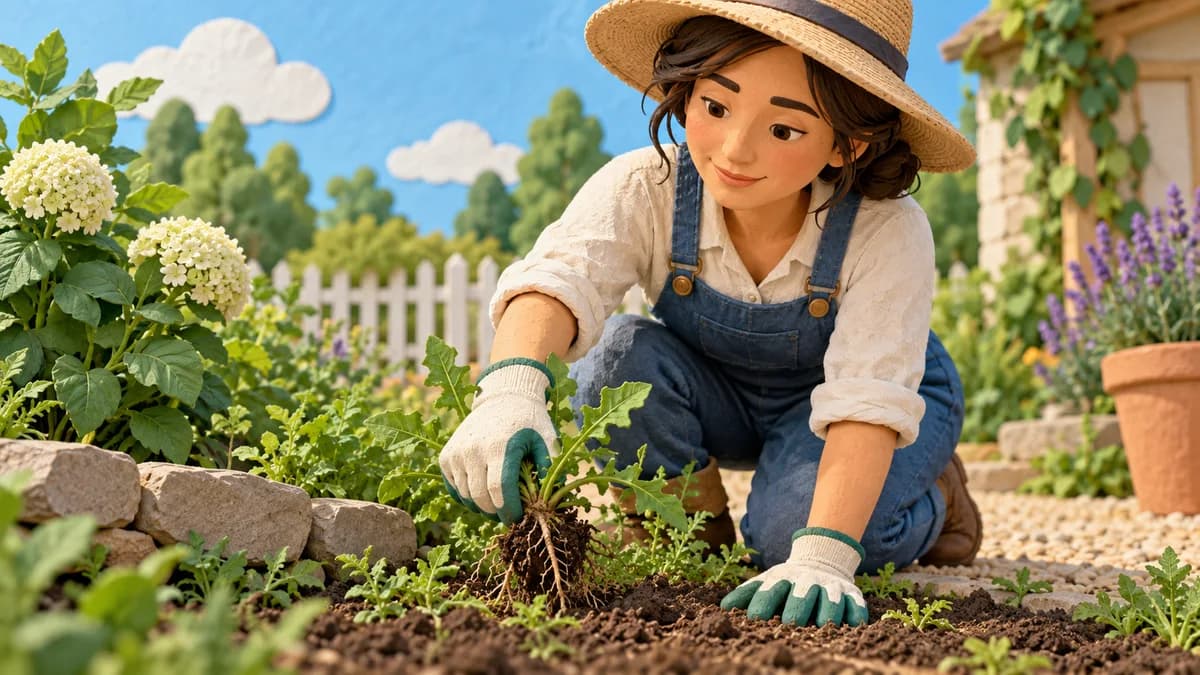
Covering an area does not remove every root, seed or future source of weeds. Check the edges and planting openings, where light and soil disturbance create opportunities.
A useful maintenance plan names who will inspect the area and how weeds will be removed. Neither option justifies leaving a new bed unattended for a season.
Sources: DeWitt FAQ: fabric construction and weeds above fabric
Use suitable cardboard and a stable covering
Avoid waxed cardboard and glossy material, and remove tape and staples. Iowa State describes wetting suitable sheets and covering them with organic mulch or compost to help keep them in place.
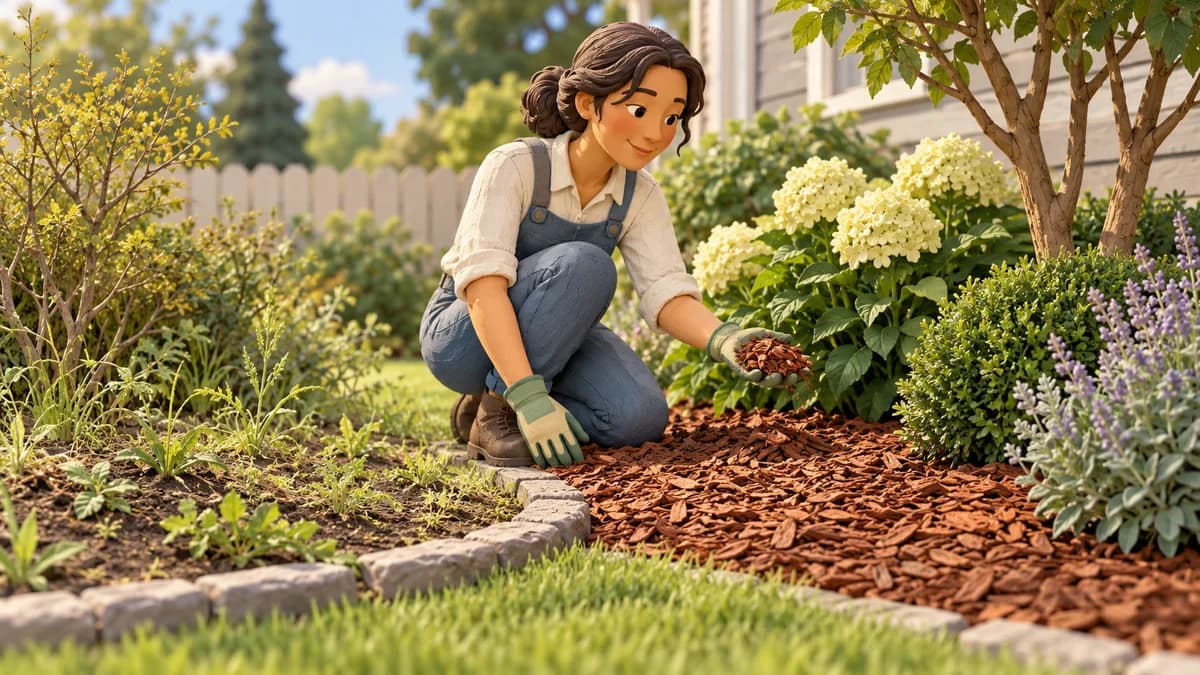
Do not bury plant crowns or pile material against trunks. Leave access for checking moisture, and avoid creating loose edges that can catch feet or blow into nearby beds.
Choose with removal in mind
For a temporary bed-conversion project, suitable cardboard may fit the planned transition. For an area requiring a lasting separation layer, compare a fabric specified for that application.
Ask how you will remove the material when the layout changes. If neither answer is practical, organic mulch on prepared soil may be the simpler choice.

| Question | Decision clue |
|---|---|
| Will you replant frequently? | Prioritize easy access to soil |
| Is a temporary cover enough? | Consider suitable cardboard and mulch |
| Will you need to remove it? | Plan access before burying the layer |
Sources: Iowa State Extension: using mulch in the garden; University of Minnesota Extension: fabric and paper mulches
Common questions
Does cardboard last as long as fabric?
No fixed comparison applies to every site, but cardboard is intended to break down rather than remain a durable synthetic barrier.
Can I use any shipping box?
Avoid waxed or glossy material and remove tape, staples and other non-paper parts.
Will either stop all weeds?
No. Openings, edges and material accumulating above the sheet still need attention.
PUT IT INTO PRACTICE
Compare your options
Compare exact constructions and roll sizes when fabric suits the project.
Landscape fabrics comparedSources and editorial approach
ChooseRight researched the sources below to explain the topic and its practical trade-offs. Examples are illustrations, not results from our own product testing. Sources checked October 28, 2026. Artwork is AI-generated for explanation and does not document hands-on testing.