
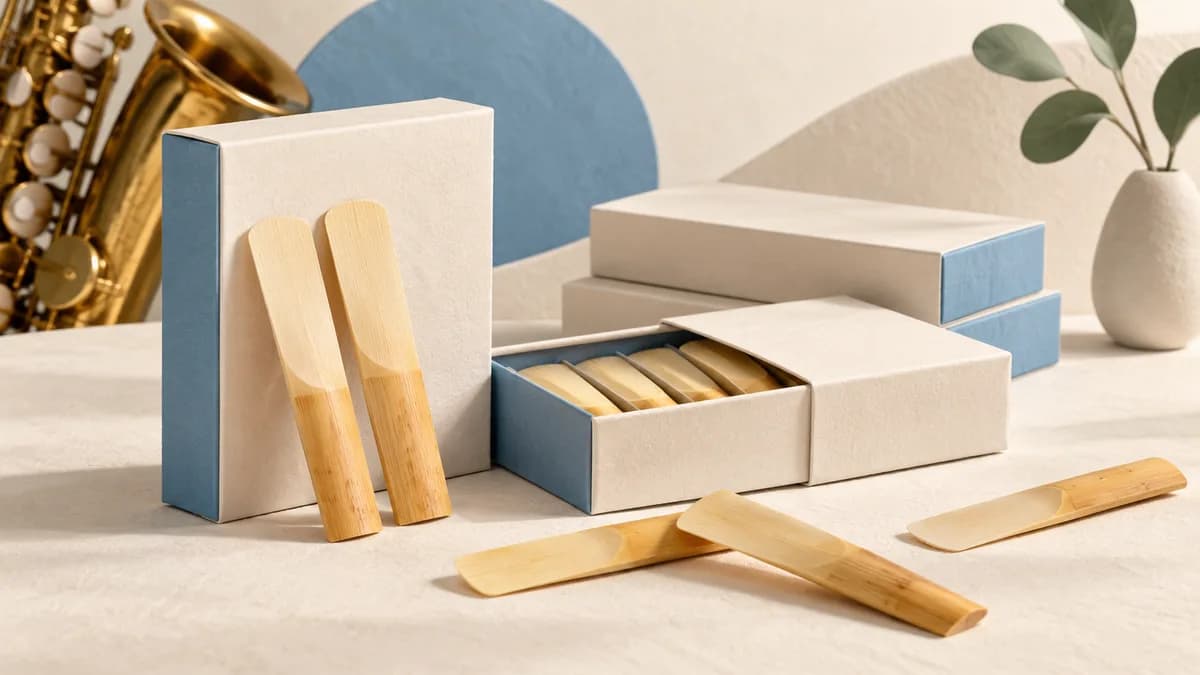
START HERE
The short answer
Choose a reed strength that lets you start notes cleanly and play comfortably on your mouthpiece. Higher numbers generally indicate more resistance within a reed line, but numbers are not identical across brands and cuts. Change one variable at a time and ask a teacher to assess persistent problems.
- Compare strength within the exact brand and reed cut.
- Mouthpiece tip opening changes the suitable reed combination.
- Harder is not a qualification level or guaranteed tone upgrade.
Treat the number as a comparison within a range
Reed strength describes resistance rather than a player's rank. A maker may offer whole, half or finer increments. A 2.5 from one range should not be assumed identical to a 2.5 from another brand or cut.
Use the maker's comparison chart when changing ranges, then treat the result as a trial recommendation. Legere publishes charts comparing its cuts and other reeds, which is more useful than guessing from the printed number alone.
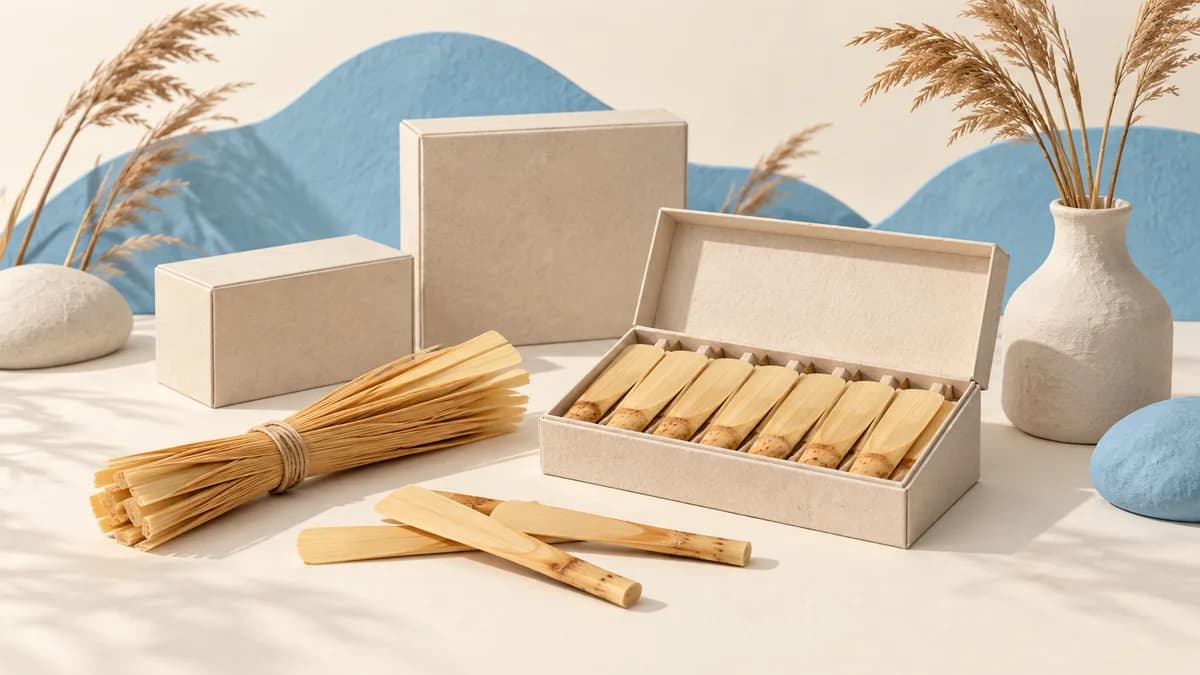
Sources: Legere: why reed strength matters; Legere: reed strength comparison charts
Match the reed to the mouthpiece
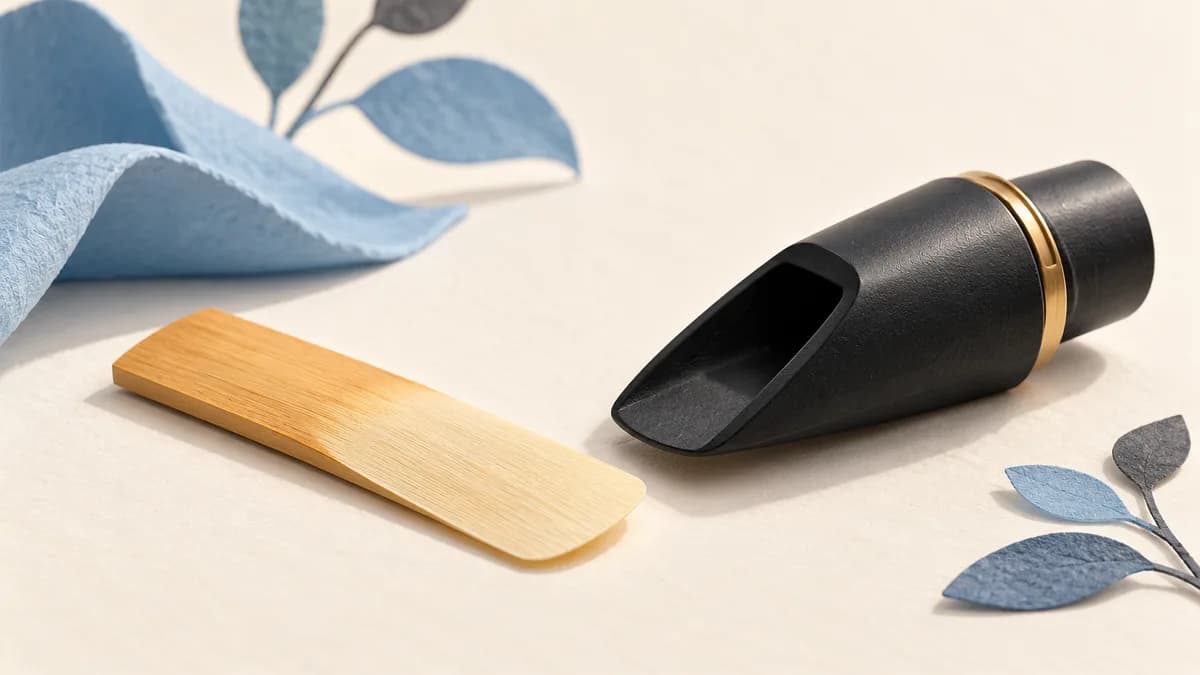
The gap at the mouthpiece tip and its facing design affect how the reed responds. Legere notes that larger tip openings generally pair with softer reeds, while smaller openings can suit stronger reeds, with substantial personal variation.
If you replace a mouthpiece, reassess the reed rather than automatically buying the strength that worked before. Confirm that the reed is the correct type and sits properly on the mouthpiece. Poor alignment or a damaged reed can confuse the comparison.
Investigate a reed that feels too soft
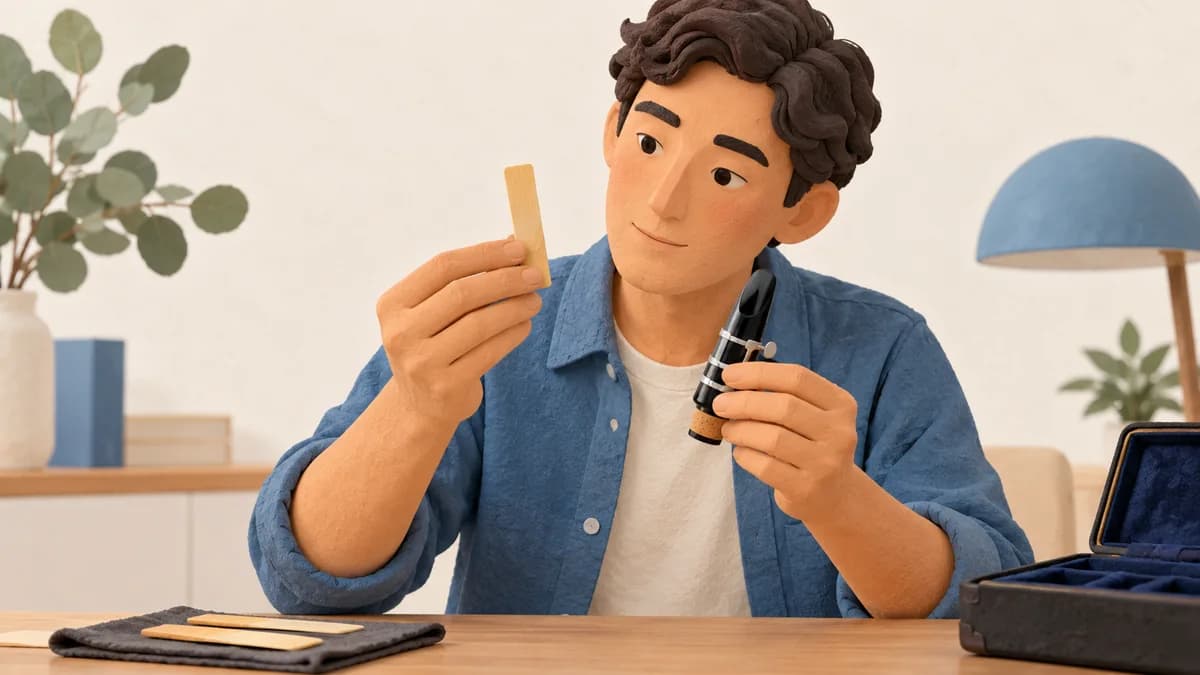
If a reed feels easy at first but loses control under your normal playing effort, compare it with a fresh reed from the same range. A worn or damaged reed is a different problem from choosing a strength that is too low. Do not diagnose the cause from a single squeak.
Ask a teacher to listen and check the setup before moving up. Mouthpiece pressure, alignment and instrument condition can also affect response. Keep the aim practical: reliable starts and comfortable control across the music you need to play.
Sources: Legere: why reed strength matters; Legere: saxophone mouthpiece tip openings
Do not force an uncomfortable setup
If notes are difficult to start and practice feels unusually tiring, a reed with more resistance may be one factor. Compare a fresh, slightly softer option in the same line with teacher guidance rather than trying to compensate by biting harder.
Persistent problems across several suitable reeds deserve an instrument check. A leaking pad or another setup fault will not be fixed by buying progressively softer reeds. Likewise, one difficult reed in a box does not establish that the entire strength is wrong.

Sources: Legere: why reed strength matters
Make a controlled comparison
Keep the mouthpiece and reed range the same while trying an adjacent strength. Play the same short material at a comfortable volume and note response, control and fatigue. Give yourself a fair comparison instead of changing the reed, mouthpiece and instrument at once.
Record the exact brand, cut and strength that works, not just the number. Maintain a few usable reeds and follow their care instructions. When buying a saxophone, leave room in the budget for suitable accessories and guidance rather than assuming the supplied reed will fit every player.
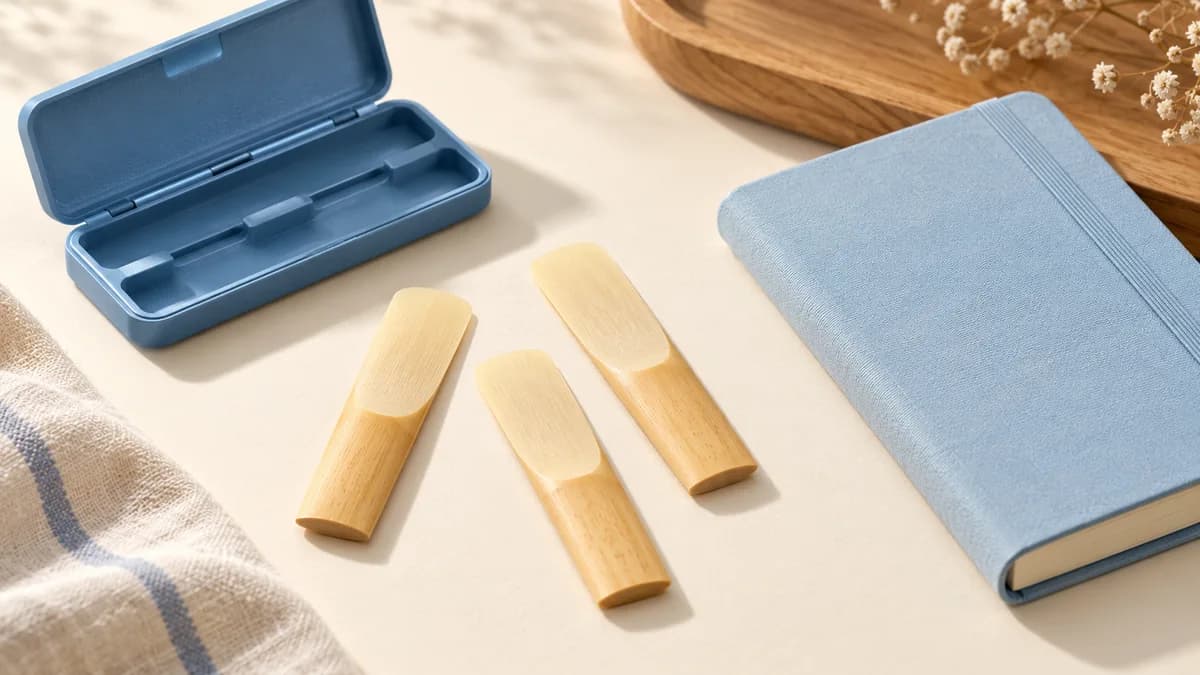
Sources: Legere: reed strength comparison charts; Legere: why reed strength matters
Common questions
Is a strength-3 reed better than a 2?
No. Those numbers indicate different resistance within a range, not better quality or a higher player level.
Should beginners always use the same strength?
No. The mouthpiece, reed range and player matter. A teacher can suggest a suitable starting combination.
Do synthetic and cane strength numbers match?
Not necessarily. Use the specific maker's comparison chart and confirm through a playing trial.
PUT IT INTO PRACTICE
Compare your options
Compare instruments with attention to setup, accessories, support and sampled owner feedback.
Saxophone brands and representative modelsSources and editorial approach
ChooseRight researched the sources below to explain the topic and its practical trade-offs. Examples are illustrations, not results from our own product testing. Sources checked October 28, 2026. Artwork is AI-generated for explanation and does not document hands-on testing.