

START HERE
The short answer
Weighted pieces contain added mass, commonly in the base, to change their feel and stability. Compare actual piece or set weights and base dimensions where available. Terms such as triple weighted do not provide a reliable cross-brand weight standard.
- Added weight and a well-proportioned base work together.
- Compare actual weights using the same piece count.
- Heavier pieces increase carrying weight and can be less convenient for travel.
Understand what is being weighted
A wooden or plastic piece may contain additional material in its base, while a stone or metal piece can be heavy because of its construction. These approaches are not interchangeable descriptions. A listing should distinguish its material from any claim about added weights.
House of Staunton explains that triple weighted no longer identifies a consistent weight across the chess market. Treat it as a product description, not a measurement. Ask for actual weights if the feel of the pieces is central to your decision.

Sources: House of Staunton: weighted pieces and set-weight terminology
Compare balance as well as mass
A comfortable piece should be easy to pick up, place and recognize. Extra mass near the base can change its balance, but a narrow base or unusually tall sculpture can still be awkward. The FIDE equipment rules emphasize stability and comfortable handling rather than simply maximizing weight.
If possible, try a pawn, knight and king rather than judging a set by the king alone. Consider whether their weights feel consistent with their sizes. A heavy king does not establish that the smaller pieces will be equally pleasant to use.

Check the board before choosing heavier pieces
Measure the base of the largest piece against the intended square. A broad weighted base needs enough room around it for fingers and neighboring pieces. Weight cannot compensate for a crowded starting position or a board that slides around on the table.
Check whether a quoted set weight includes the board, box or spare queens. Comparing a 32-piece set with a 34-piece set, or a whole package with pieces alone, can give a misleading impression. Use the same units and comparable contents.

Sources: FIDE chess equipment rules effective March 2026; House of Staunton: weighted pieces and set-weight terminology
Inspect the underside and protect the surface
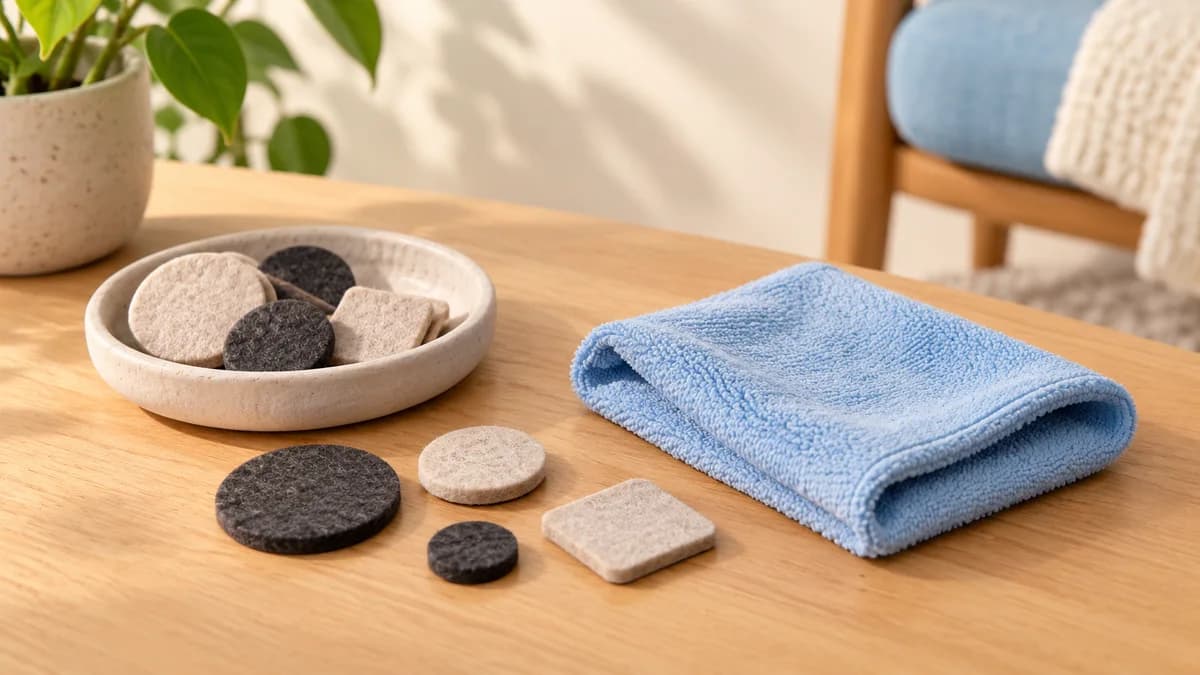
Look for a smooth, securely attached base covering suitable for the board. A loose or worn pad can expose a hard surface and change how a piece sits. Inspect the set on arrival and raise defects with the seller before trying your own repair.
Lift pieces rather than dragging them across a delicate finish. Follow the maker's care instructions for wood, plated metal or stone, and avoid assuming that household polish is suitable for all three. Keep the board clean and dry and store pieces so carved details do not strike each other.
Choose weight for your routine
For a permanent home table, a substantial set may be enjoyable because it rarely needs moving. For a club bag, travel or a child who carries their own equipment, a lighter durable set can be easier to manage. Personal comfort matters more than the biggest weight claim.
Our high-end chess-set comparison separates traditional playing sets from decorative designs and includes storage considerations. Choose a package you will actually use rather than treating heft as a substitute for readable pieces, sound construction or a suitable board.

Sources: FIDE chess equipment rules effective March 2026; House of Staunton: weighted pieces and set-weight terminology
Common questions
Does triple weighted mean three times heavier?
Not reliably across brands. Request the actual piece or set weight and check what that measurement includes.
Are heavier chess pieces always better?
No. Stability, shape, handling comfort, board fit and carrying weight all matter.
Are marble pieces weighted?
They can be naturally heavy because of the stone. That does not necessarily mean a separate weight has been added inside.
PUT IT INTO PRACTICE
Compare your options
Compare playing space, materials, storage and ownership trade-offs across five complete sets.
High-end chess sets comparedSources and editorial approach
ChooseRight researched the sources below to explain the topic and its practical trade-offs. Examples are illustrations, not results from our own product testing. Sources checked October 28, 2026. Artwork is AI-generated for explanation and does not document hands-on testing.