
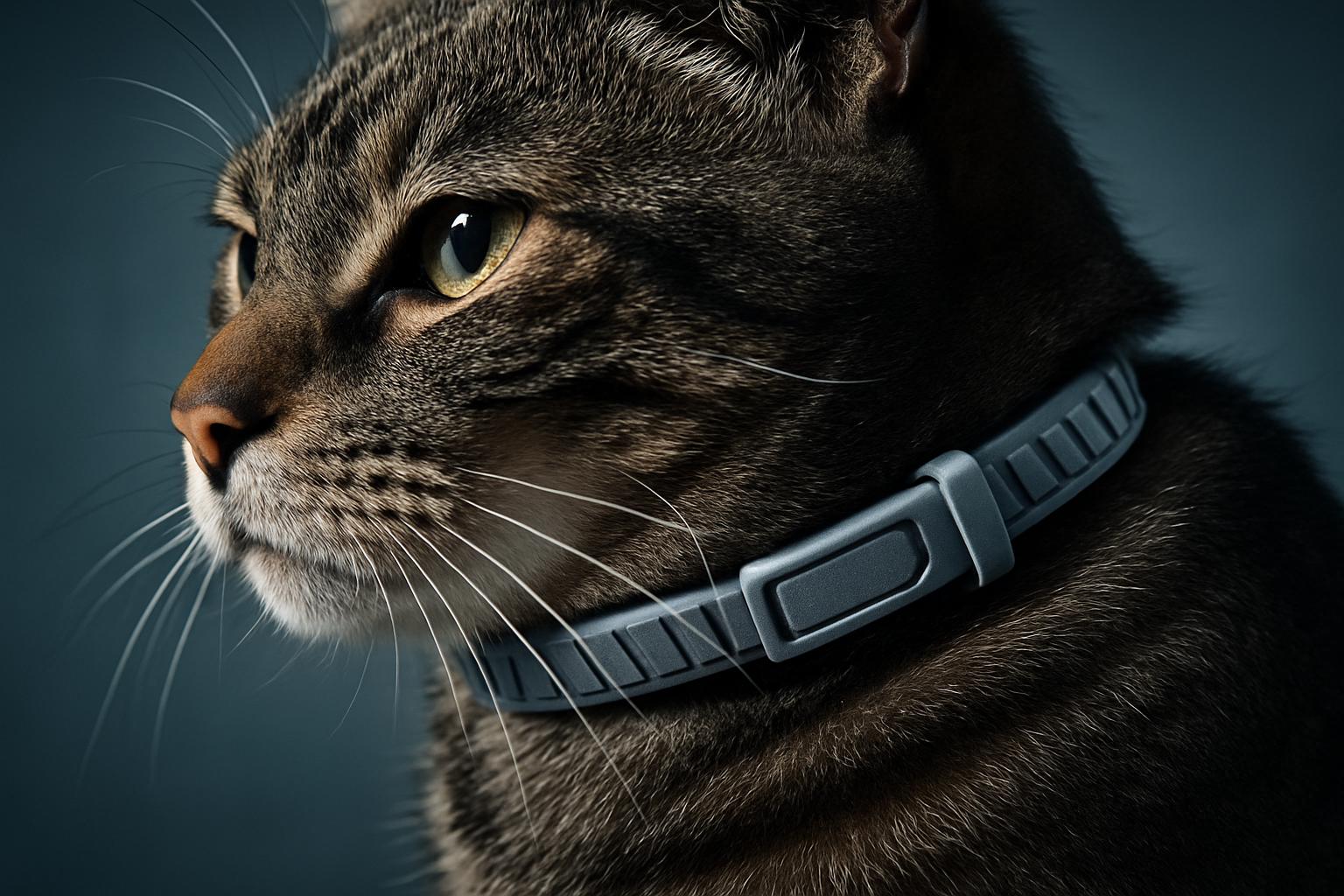
Trying to find the best cat flea collar can get overwhelming. There are so many options, each with different claims and promises. Worried about what truly works and what is actually safe? We hear you. Here is a look at the top choices based on honest user feedback:
What Makes a Cat Flea Collar Good?
It is not always easy to spot the difference between a cheap flea collar that barely works and one that will protect your cat for months. Effectiveness is not just about killing fleas fast, it is also about long-term prevention and comfort for your pet. Some collars work better in certain climates or depending on your cat’s habits. Others may cause irritation. Some last just a month or two, while others claim months of protection, but do not always deliver.
Look for a collar that balances safety, proven ingredients, and real prevention. This is what gives actual value, not the loudest marketing.
Here are the things that most pet owners should look for:
- Safety and non-toxicity for cats and people
- Kills fleas at every life stage, not just adults
- Lasts at least a few months
- Does not produce a strong chemical odor
- Comfortable fit and adjustable sizing
- Water resistance (important for outdoor cats or accident-prone cats)
How Cat Flea Collars Work
The main way flea collars help cats is by releasing a low dose of an active ingredient that either kills fleas on contact or repels them. The type of ingredient, and how long it is effective for, can change everything.
This is why you should always check for the ingredient list, and research anything you do not recognize. Even vet-approved brands can sometimes use older formulas less suited for certain breeds or kittens.
Some collars spread the active ingredient through your cat’s skin and fur. Others just create a repellent effect near the collar only. This matters if your cat is exposed to fleas in one area versus the whole body.
| Feature | Why It Matters |
| Active Ingredient Type | Chemicals tend to be more effective but may irritate some cats; natural options safer for sensitive cats, but not always as strong |
| Length of Protection | Longer lasting collars mean fewer replacements and fewer chances to forget |
| Residual Scent | Cats dislike heavy fragrances and some scents signal poor-quality oils or harsh chemicals |
| Breakaway Design | Prevents choking or catching on objects, an overlooked but key safety feature |
| Water Resistance | Crucial for active or outdoor cats who get wet or bathed often |
Are All Cat Flea Collars Safe?
Not every cat reacts the same way to topical flea products. One cat may tolerate a popular collar just fine, and another might develop hair loss or even a rash. Allergic reactions can happen, usually within the first day. Sometimes owners miss the signs because the collar seems fine at first, and problems show up a week later. It is important to watch your cat closely whenever you try a new collar, for at least a few days.
Most reputable brands will state clearly if their collar is safe for kittens, elderly cats, or pregnant/nursing cats. It is usually better not to risk a regular flea collar unless the package says it is kitten-safe. When unsure, speak with your veterinarian before trying a new product.
Types of Active Ingredients
Every cat flea collar relies on one or more main ingredients. Here is a quick look at the most common types you might see:
- Imidacloprid: attacks the nervous system of fleas, quick kill but some cats develop local skin sensitivity
- Flumethrin: often paired with imidacloprid, strong against both fleas and ticks
- Tetrachlorvinphos (TCVP): an older chemical sometimes used in cheaper collars, high risk for sensitive cats
- Essential Oil Blends: like citronella, peppermint, or cedar oil. Natural, but effectiveness is weak and sometimes causes allergies in cats
A product that lists ingredients like TCVP or propoxur should be avoided in most situations. The potential for toxicity in cats is just too high, especially when there are safer alternatives.
Chemical-Based Collars
Natural/Herbal Collars
Chemical-based collars (such as those using imidacloprid or flumethrin) tend to be more effective against active infestations. They kill fleas within hours and also provide lasting protection. The risk is possible local irritation, especially around the neck.
Natural collars often use a mix of essential oils. These are better if you are worried about chemical exposure, but they do not always provide real flea protection. Many owners use them in combination with spot-on treatments or regular combing, especially for indoor cats.
Benefits and Downsides of Cat Flea Collars
- Easy to use, just put it on your cat and forget it
- Many collars last multiple months
- Some protect not just against fleas, but against ticks as well
- Odorless or low-odor options
- Water resistant options available
- Usually more affordable than spot-on treatments over time
- Not all work for every cat
- Potential for skin irritation or allergy
- Over-the-counter versions can use harsh or outdated ingredients
- Some products only prevent, not treat infestations
- Natural collars typically are less effective
- Some collars need frequent replacement, not truly long-lasting
How to Fit and Use a Cat Flea Collar Safely
What to Do If the Collar Does Not Work
Unfortunately, even the best flea collar will not save the day if you have a major infestation in your home or yard. Sometimes, after a few weeks, you might notice fleas returning. So what now?
If you notice fleas coming back, the first thing to do is treat not just your cat, but their bedding, furniture, and common areas too. Flea eggs can live anywhere your cat spends time.
Washing bedding (or anything your cat lies on) in hot water, running a powerful vacuum, and using premise sprays can make a big difference. Sometimes, combining a collar with a vet-recommended topical or oral flea treatment can help break stubborn cycles. But always check if these combinations are safe together.
- Treat indoor spaces as well as the cat
- Vacuum carpets, furniture, and baseboards
- Wash bedding weekly
- Check all pets at home, as fleas can jump hosts
- Consider professional pest control if infestation is severe
Buyer’s Guide: What To Check Before Buying
Shopping for a flea collar can feel like a gamble. Here is how to narrow down your options before spending your money.
- Check for safety certifications or veterinary endorsements
- Read real buyer reviews from people with similar cat types
- Avoid products with vague ingredient labeling
- Beware of collars labeled for dogs only
- Compare longevity (in months) for value
- Look for actual breakaway collars if your cat goes outside
- If your cat is sensitive or very young, ask your vet for recommendations first
Frequently Asked Questions About Cat Flea Collars
Are cat flea collars safe for kittens?
Not all flea collars are safe for kittens. Only use a collar if the product label and your veterinarian say it is appropriate for your kitten’s age and weight. Cats younger than 12 weeks are often too sensitive for most chemical collars.
How long does a cat flea collar last?
The duration varies by brand. Some last for one month, others claim up to eight months. Always check packaging for the specific protection period and change the collar as recommended.
Can my cat wear a flea collar and a regular collar at the same time?
If you use both, make sure the flea collar is snug and not covered by the regular collar. However, two collars may be uncomfortable for some cats. Using a flea collar with an integrated breakaway design, or as your main collar, can be simpler.
What are the side effects of cat flea collars?
Side effects can include skin redness, hair loss, digestive upset if chewed, or reduced appetite. If you see any of these, remove the collar right away and talk to your vet.
Do I need a vet prescription for a cat flea collar?
Most OTC flea collars do not require a prescription. Some newer or more advanced formulas might, especially if they contain ingredients only available through a vet. It is always smart to check if there is a safer or more effective prescription option in severe cases.
The bottom line is that there is no one-size-fits-all answer. The best cat flea collar is the one that fits your cat’s lifestyle, is safe for their age and health, and actually cuts down on fleas. If you have tried one before and did not like the result, what did you notice? Flea collars are not the only answer, but with the right choice and realistic expectations, they can be a convenient tool for flea management.