
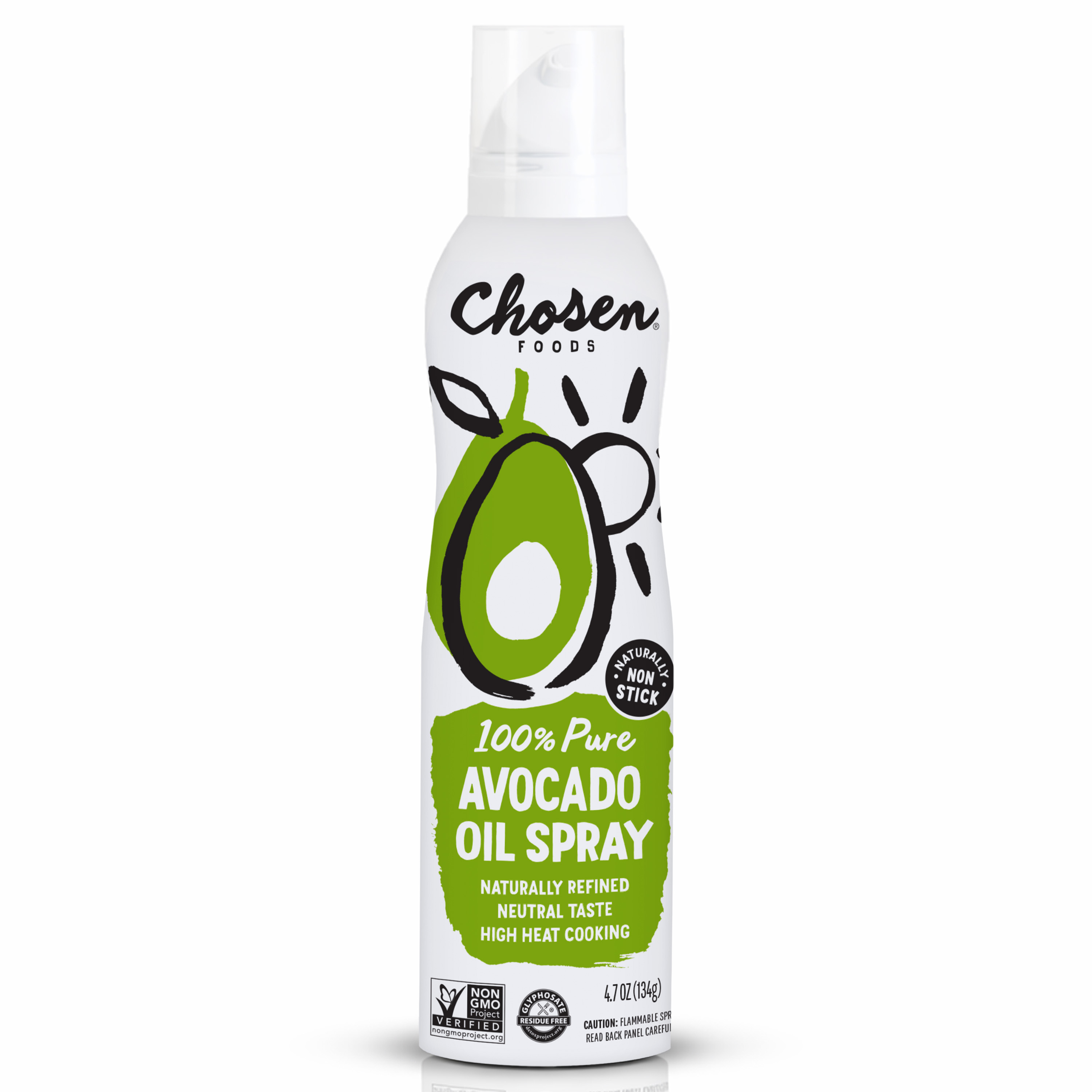
Best Avocado Oil of March 2026

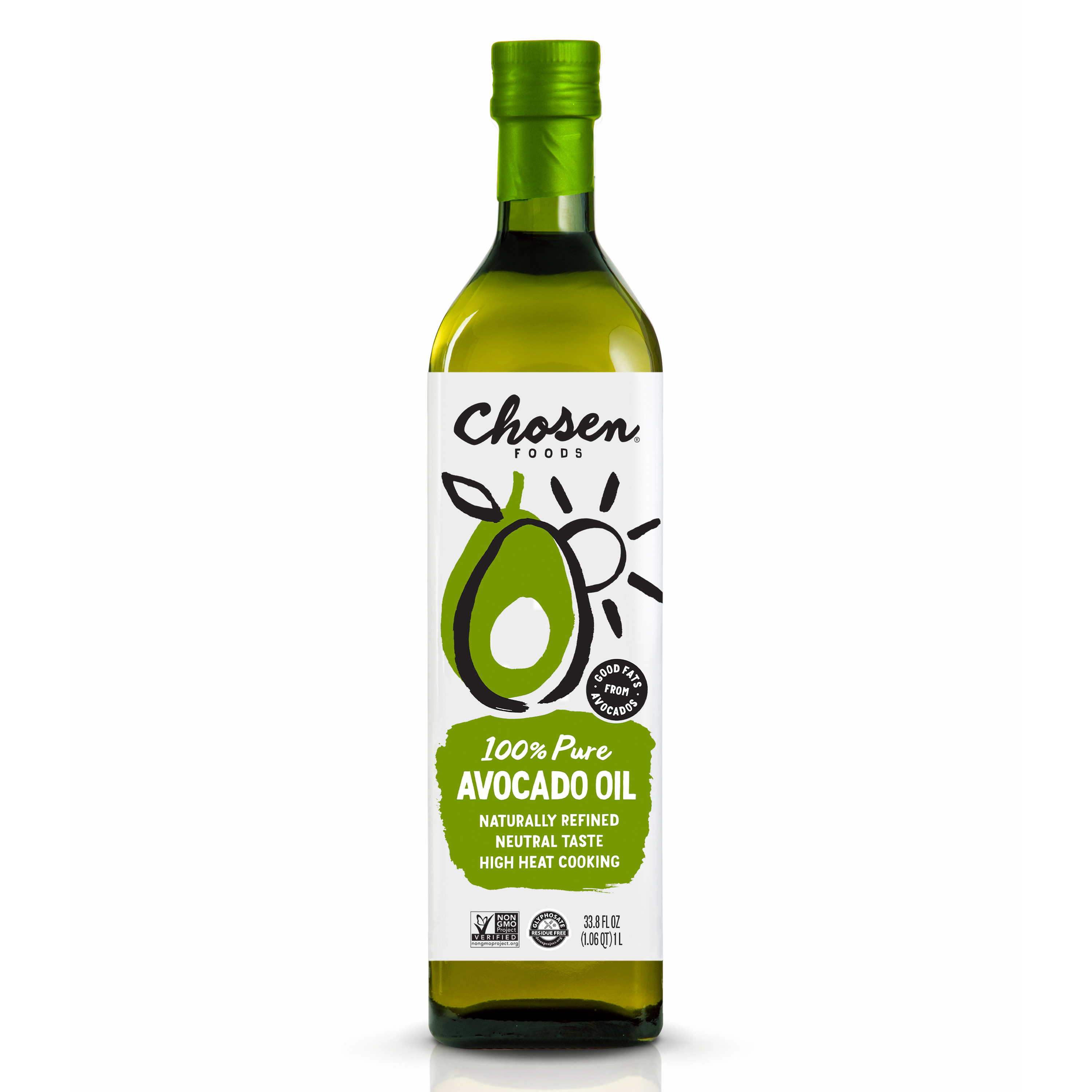
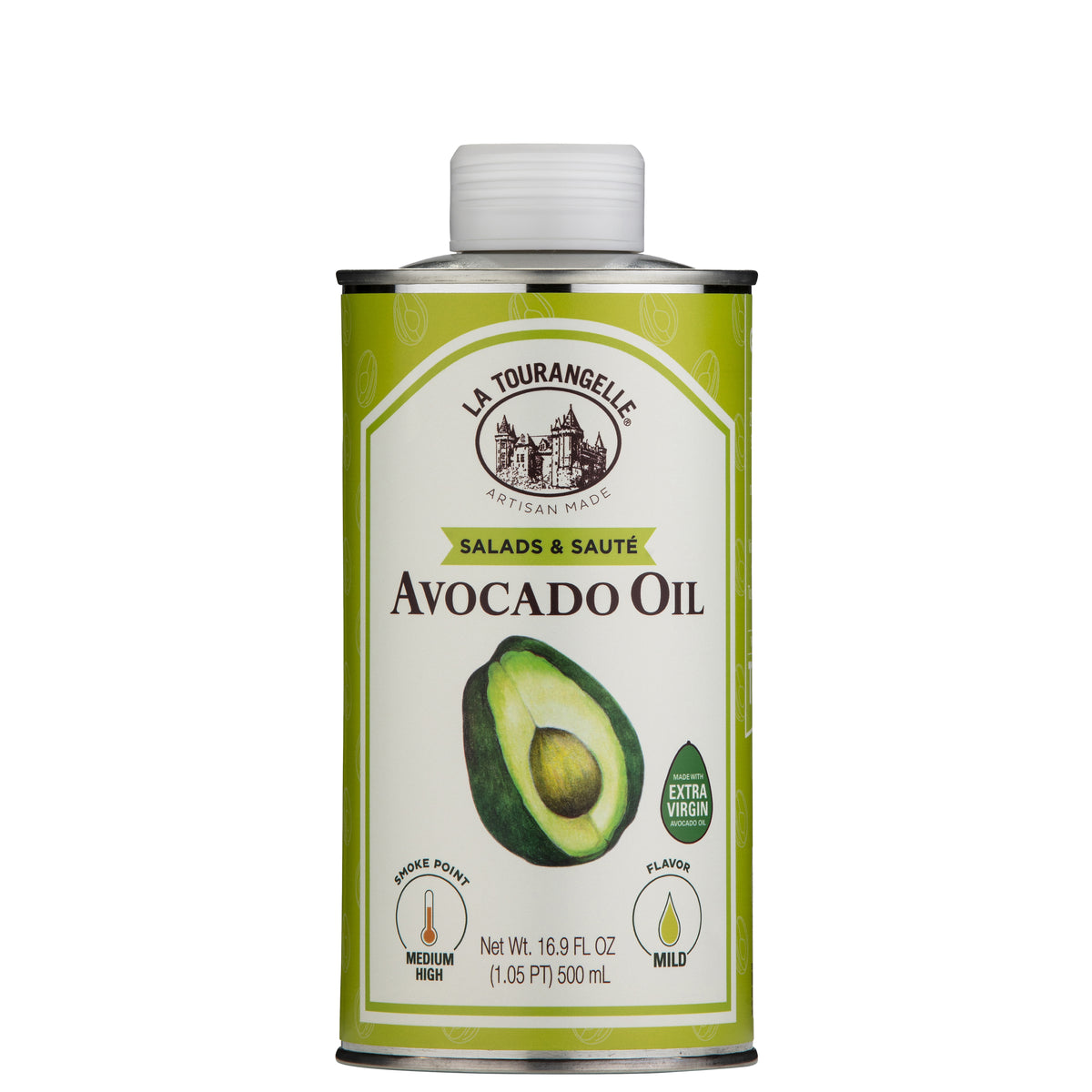
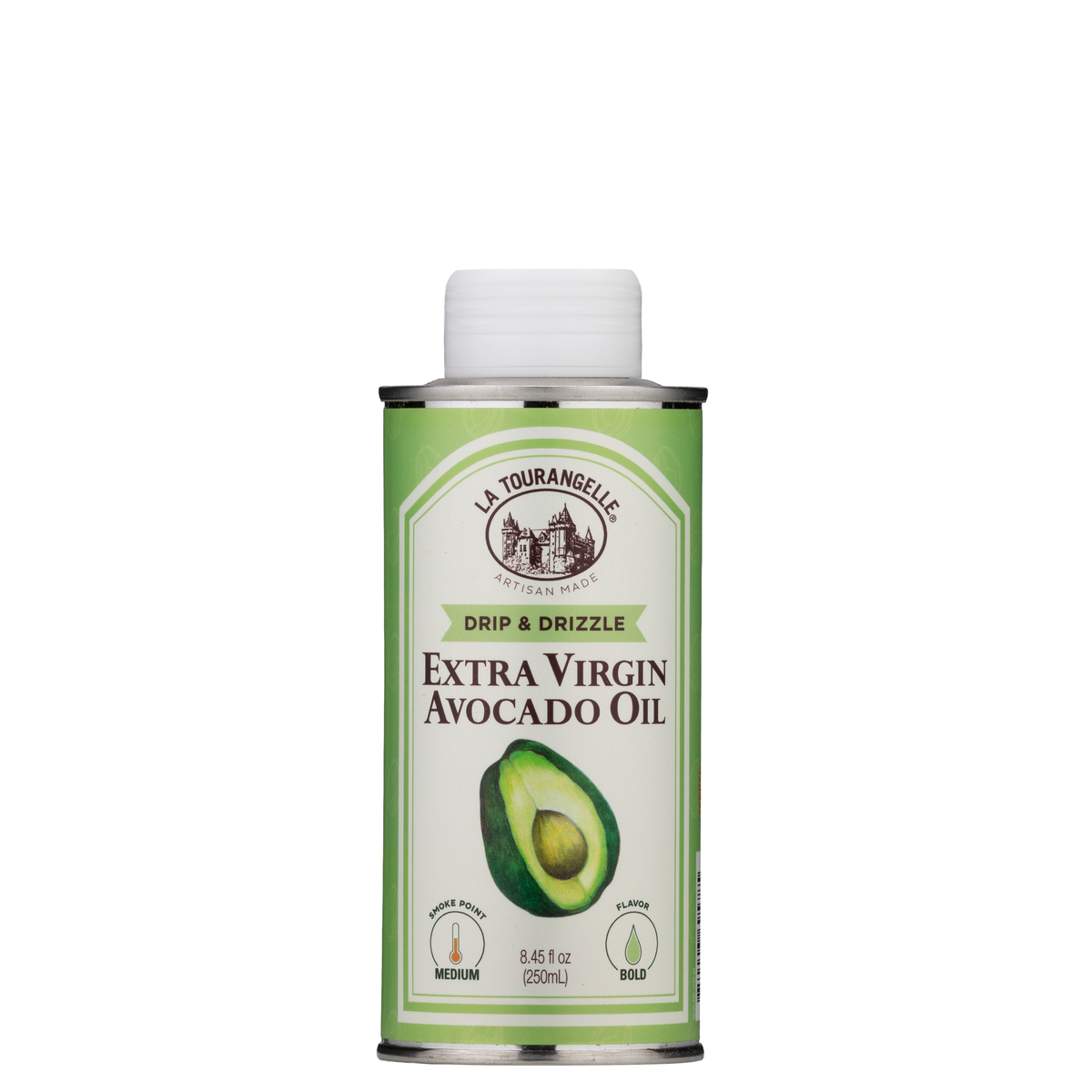
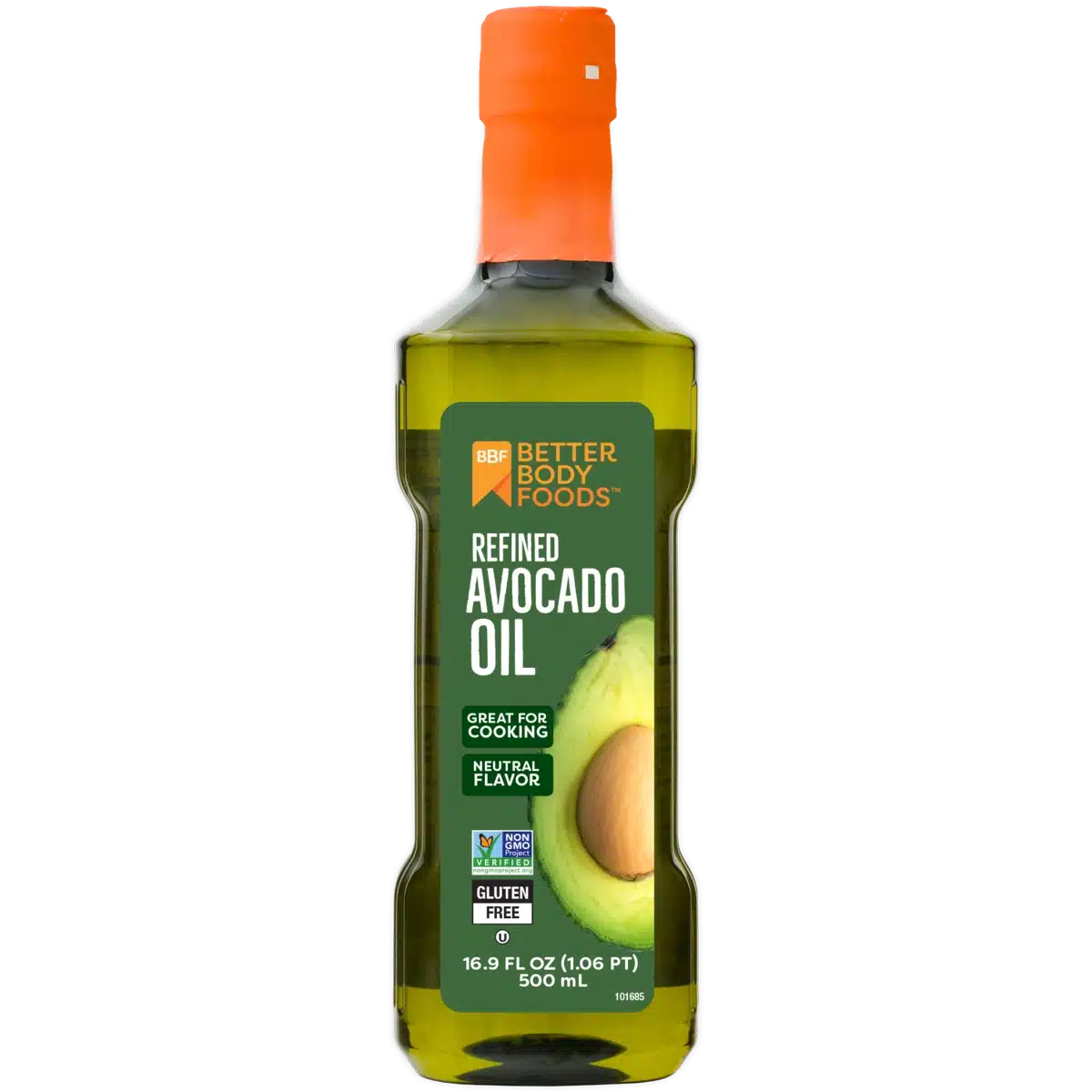
Finding the best avocado oil can be confusing. There are so many choices, and not all of them are the same. Some promise purity, while others talk about extra virgin quality. If you are looking to improve your health or just want better flavor in cooking, knowing what to look for makes a big difference. Here are the top five picks based on user feedback:

Best Avocado Oil Picks for March 2026 (By User Reviews)

No products found.

What Sets Top Avocado Oil Apart?

When shopping for avocado oil, a few factors matter more than others. First, purity stands out. Genuine avocado oil should have as few additives as possible. Anything added can affect flavor and nutrition. Color also gives away a lot. A rich green hue suggests the oil comes from ripe, quality fruit, not older or heavily processed avocados.

Purity, taste, and smoke point set the best oils apart. If these factors are off, quality usually drops.

Many shoppers forget about the extraction method. Cold pressed oils usually retain more nutrients and taste. But there is also a price difference. Sometimes it is tough to tell which method has been used just by looking at a label. Reading reviews and third-party lab reports helps, but not everyone does that. Still, pressing technique changes the final flavor and health benefits.

Understanding Virgin, Refined, and Unrefined Avocado Oil

It is easy to get lost in the terms. Virgin, extra virgin, refined, unrefined – these pop up on almost every label. But what do they really mean?

Virgin/Extra Virgin

Refined

So which is better? That depends on what you want. If you care about authentic flavor for finishing dishes or salads, virgin is usually worth the price. But if you do high-heat cooking, refined oil might suit the need better.

Avocado Oil Uses: What Fits Your Kitchen?

Before picking an avocado oil, think about how you want to use it. Some types work better for salad dressings and dips. Others hold up to frying and roasting.

Refined avocado oil offers one of the highest smoke points among common cooking oils, making it practical for grilling, roasting, and stir-frying where temperatures can get high.

Unrefined, sometimes labeled extra virgin, packs the most nutrients and strong avocado taste. This does not always mix well with every dish. Neutral-tasting oils suit those who just want health perks but not a dominant flavor. Again, there is no one-size-fits-all choice.

Unrefined avocado oil works best when used as a finishing oil, salad dressing, or drizzled on vegetables. If planning to fry or bake at high heat, look for refined avocado oil to avoid burnt flavors.

How To Pick the Best Avocado Oil

Picking the right oil is not only about the label. Here are the main things to check before buying:

  • Extraction method – Cold pressed or expeller pressed is preferred for quality and nutrition.
  • Packaging – Dark glass bottles keep oil fresh longer, as light breaks down nutrients.
  • Color and clarity – Bright green and slightly cloudy oil is usually less processed.
  • Origin – Some countries have better quality control; check if the brand is tested for purity.
  • No additives – The ingredient list should only include 100% avocado oil.
  • Smoke point – For cooking, check if the oil can handle high heat.

No product will be perfect in every way. Some brands slip up with impurities even when they market as pure. It helps to browse independent lab tests, but those are not always easy to find. If the price is much lower than others, that can be a red flag too.

Nutritional Benefits: Science or Hype?

There is a lot of buzz around avocado oil as a healthy choice. But is it only marketing or is there any real science behind the claims?

Avocado oil contains more monounsaturated fats than most oils, so it may help with cholesterol management and heart health when used in place of saturated fats.

It also provides vitamin E and antioxidants. But, the content varies from brand to brand and by processing method. Overheating or heavy processing can destroy healthy compounds. When possible, choose oil that has been minimally refined and stored in dark bottles to preserve nutrients.

Comparing Avocado Oil With Other Popular Oils

Oil TypeSmoke PointFlavor ProfileCommon Use
Avocado (Refined)~500°FNeutralFrying, Sautéing
Avocado (Unrefined)~375°FButtery, grassyDressings, Drizzling
Olive (Extra Virgin)~375°FFruity, pepperySalads, Low-heat
Coconut350°FSweet, coconutBaking, Sautéing

This table shows that avocado oil, especially the refined type, stands out for high-heat uses. It also avoids overpowering delicate flavors, which cannot be said for strong-smelling oils like extra virgin olive.

Common Mistakes When Buying Avocado Oil

Lots of buyers focus too much on price or ignore the label. Here are some mistakes to avoid:

  • Buying in clear bottles – exposure to light makes oil spoil faster.
  • Assuming all green oils are pure – sometimes color comes from additives.
  • Ignoring the country of origin – not all regions have reliable food safety standards.
  • Storing oil near heat – shortens shelf life and ruins flavor.
  • Forgetting to check freshness dates – old oil can taste bitter or off.

People often skip ingredient lists too. The best oils list only one ingredient: avocado oil. Extra flavors and preservatives usually hurt rather than help.

How to Test Your Avocado Oil at Home
Simple steps for checking quality and freshness.
Check The Smell
Pour a small amount of oil into a glass. Smell it closely. Fresh avocado oil should have a mild, buttery scent. If it smells like playdough or paint, it may be spoiled.
Look At The Color
Natural avocado oil is usually deep green to golden yellow. Pale, nearly clear oil is likely refined or mixed.
Taste a Few Drops
Good avocado oil should taste mild and slightly nutty. If you notice a bitter, harsh, or rancid taste, the oil is old or poor quality.
Place In The Fridge
Put a small glass of oil in your fridge. If it goes cloudy after a few hours, that is normal for unrefined oil. If it stays perfectly clear, it may have been heavily refined or cut with other oils.

Ways to Store and Use Avocado Oil

Proper storage makes avocado oil last longer and keeps its health benefits. Heat, light, and air ruin most oils. Dark glass bottles, stored in a cool, dry cupboard, slow this process.

Once opened, avocado oil usually stays fresh for several months. Write the date on the bottle after opening, then use it up within about three months for best taste.

Try not to leave bottles uncapped for long. Every time air hits the oil, it loses a bit of its best flavor. Some people like to buy smaller bottles if they do not use oil quickly. It is better to finish one small, fresh bottle than to keep an old one for a year.

Avocado Oil: Pros and Cons To Keep In Mind

Positive
  • Neutral or buttery flavor works in a range of dishes.
  • High smoke point for many cooking methods.
  • Packed with healthy monosaturated fats.
  • Good source of vitamin E and antioxidants.
  • Usually allergy-friendly and plant-based.
  • Often less processed than canola or vegetable oils.
Negatives
  • Quality varies , some brands are diluted or mislabeled.
  • Price can be higher than more common oils.
  • Stronger-tasting oils do not work with every dish.
  • Genuine extra virgin oils are harder to find.
  • Not all refine processes are disclosed on labels.
  • Cloudiness and settled solids can confuse some users, though they are normal in unrefined oils.

Frequently Asked Questions About the Best Avocado Oil

What makes one avocado oil better than another?

Higher quality avocado oil usually comes from cold pressing ripe avocados and has no additives. Dark glass bottles and clear labeling also help consumers judge freshness and source.

What is the healthiest type of avocado oil?

Virgin or extra virgin oil is the least processed and retains more natural vitamins and antioxidants. But refined oil is better for high-heat cooking, so the healthiest choice can change based on use.

How can I tell if avocado oil is pure?

Look for third-party purity certifications on the label. Pour a small amount into a glass; pure avocado oil should be rich green and have a pleasant, mild smell. If it tastes or smells sharp or bitter, it may be spoiled or mixed.

Can avocado oil go bad quickly?

Avocado oil can spoil if exposed to heat, light, or air for too long. Always store it in a cool, dark place with the lid tightly closed. Use opened bottles within several months.

Does avocado oil taste like avocado?

Unrefined avocado oil does taste a bit like fresh avocado, with a nutty or grassy note. Refined oil is nearly tasteless and neutral, making it better for recipes where you do not want extra flavors.

Is the best avocado oil always organic?

Organic avocado oil comes from fruit grown without synthetic pesticides. Organic is a nice option, but it is not the only measure of quality. Cold pressed, well-stored oil from non-organic avocados can also be clean and healthy if processed well.

Is there a difference in taste or nutrition when using avocado oil in hot or cold dishes? Some say you lose most health benefits at high temps, while others argue the neutral flavor holds up better than olive oil. So, what has your experience been with different brands or cooking styles?

Last update on 2026-03-15 / Affiliate links / Images from Amazon Product Advertising API

Daniel Murray
We will be happy to hear your thoughts

Leave a reply

ChooseRight.net
Logo