
START HERE
The short answer
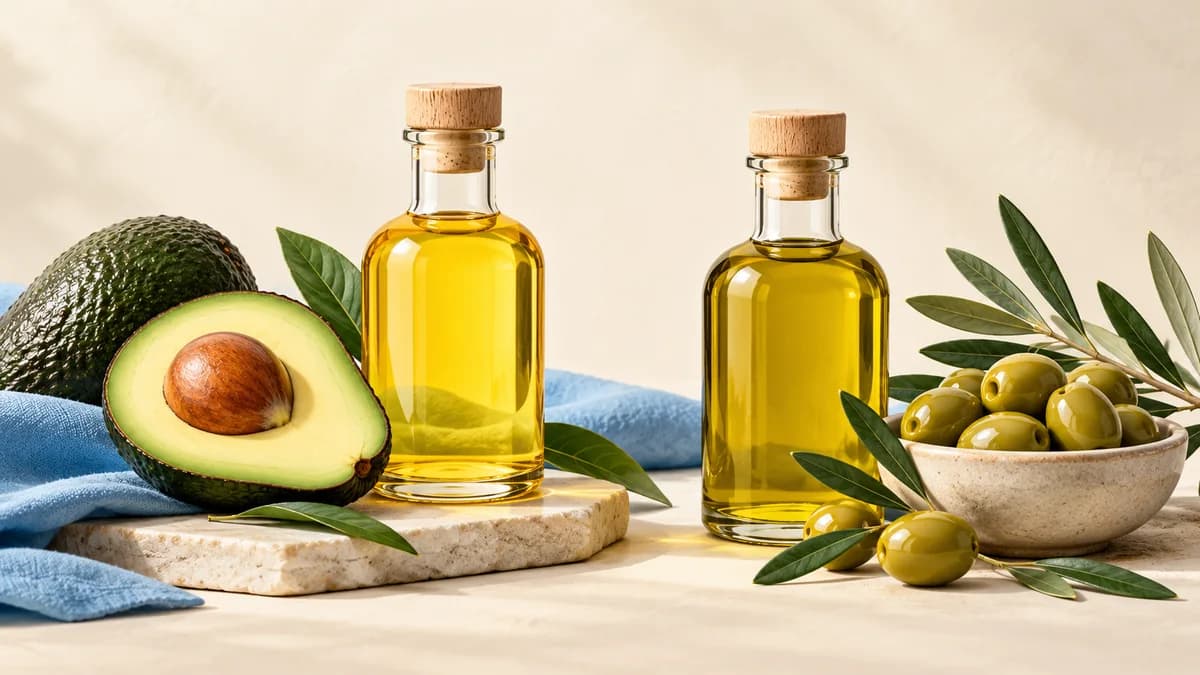
Choose extra virgin olive oil when you want its flavor in the dish. Choose a clearly labeled refined oil when you prefer a milder taste. Both avocado and olive oils can fit a balanced diet; grade, freshness and cooking instructions matter more than declaring one the winner.
- Compare refined with refined and virgin with virgin before judging flavor.
- Do not treat a single smoke-point number as a guarantee for every bottle.
- Buy for your cooking habits and store the bottle away from heat and light.
Refined and virgin describe different products
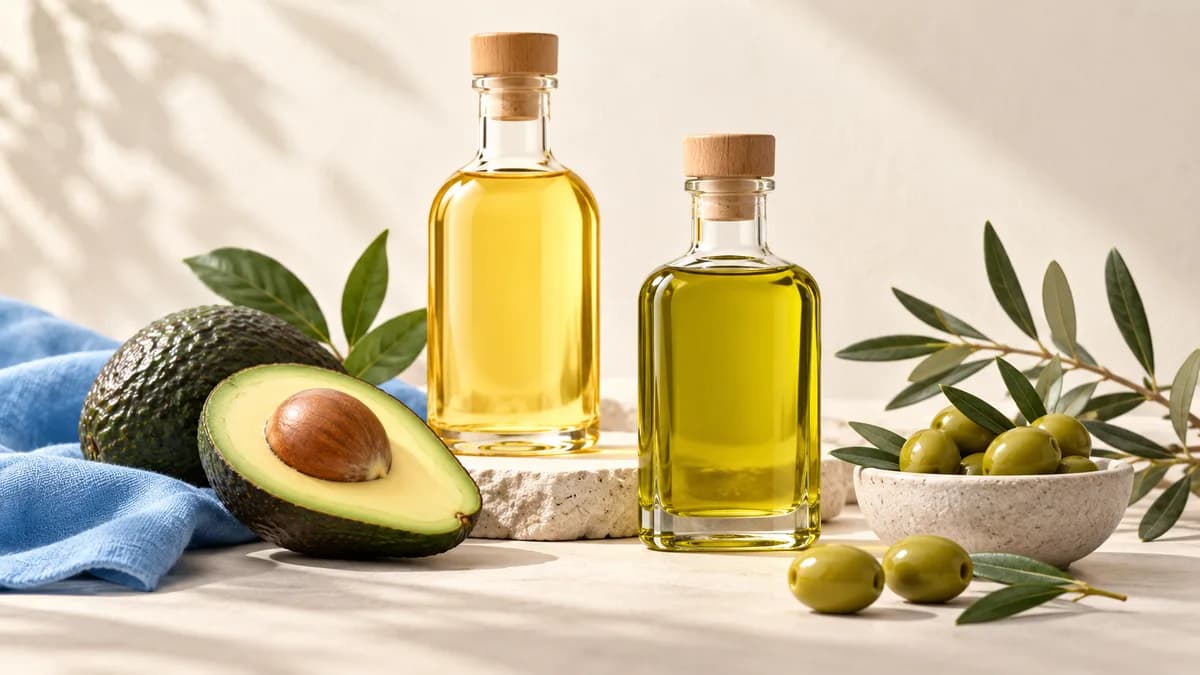
Virgin oils retain more of the characteristics of their starting fruit. Extra virgin olive oil is a defined olive-oil category produced by mechanical or physical processes and meeting quality requirements. A bottle labeled simply olive oil may instead contain refined olive oil blended with virgin olive oil.
Refining changes flavor and other oil characteristics; it does not automatically mean the oil is poor quality. Compare the grade printed on the bottle before comparing two brands. Otherwise, you may mistake a difference in processing for a difference between avocado and olive oil.
Sources: International Olive Council: Olive oil categories; UC Davis: Choosing olive and avocado oil
Match the flavor to the food
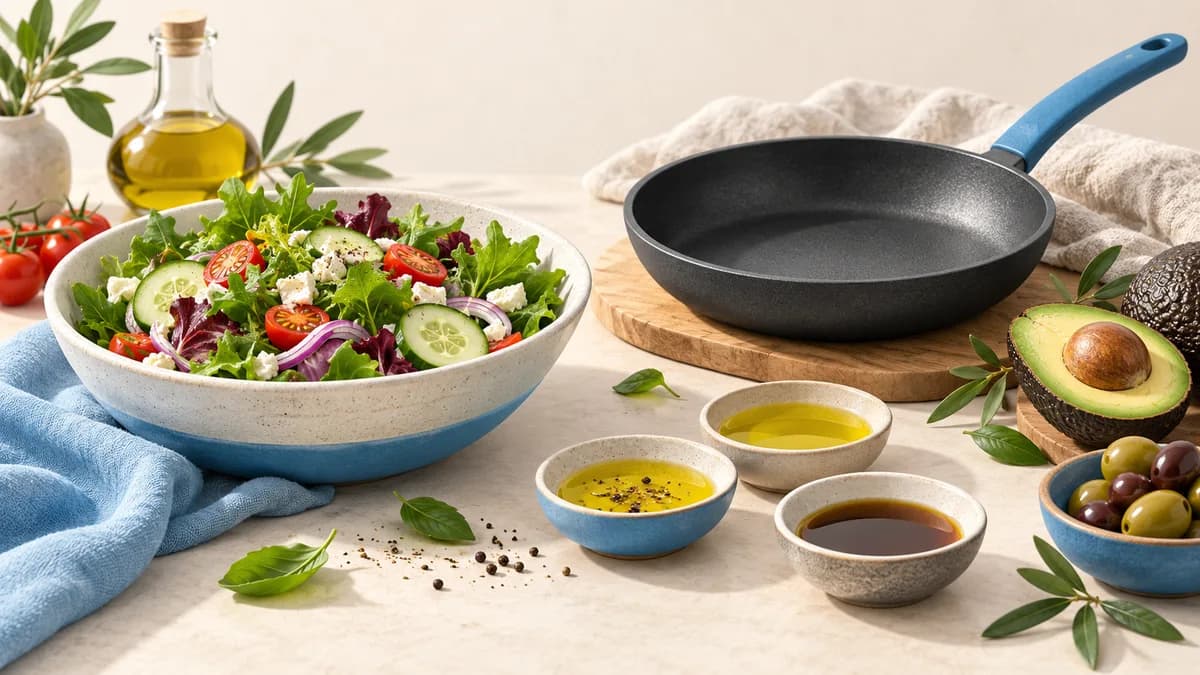
Extra virgin olive oil can taste fruity, bitter or peppery. Virgin avocado oil can bring grassy or buttery notes, whereas refined oils generally have a milder profile. Those characteristics can help a dressing or finish a dish, but they may be less welcome in a recipe where you want another ingredient to dominate.
For a useful kitchen comparison, choose one familiar meal and change only the oil. Buy a small bottle first rather than committing to a bulk size based on reviews. Your preference in a salad may differ from your preference in a cake, and neither result establishes a nutritional advantage.
| Your priority | A useful starting point |
|---|---|
| A distinctive dressing or finishing flavor | Try an extra virgin olive oil or virgin avocado oil. |
| Minimal oil flavor | Compare clearly labeled refined options. |
| One everyday bottle | Choose the grade you enjoy in your most frequent meals. |
Cooking suitability is more than a smoke-point chart
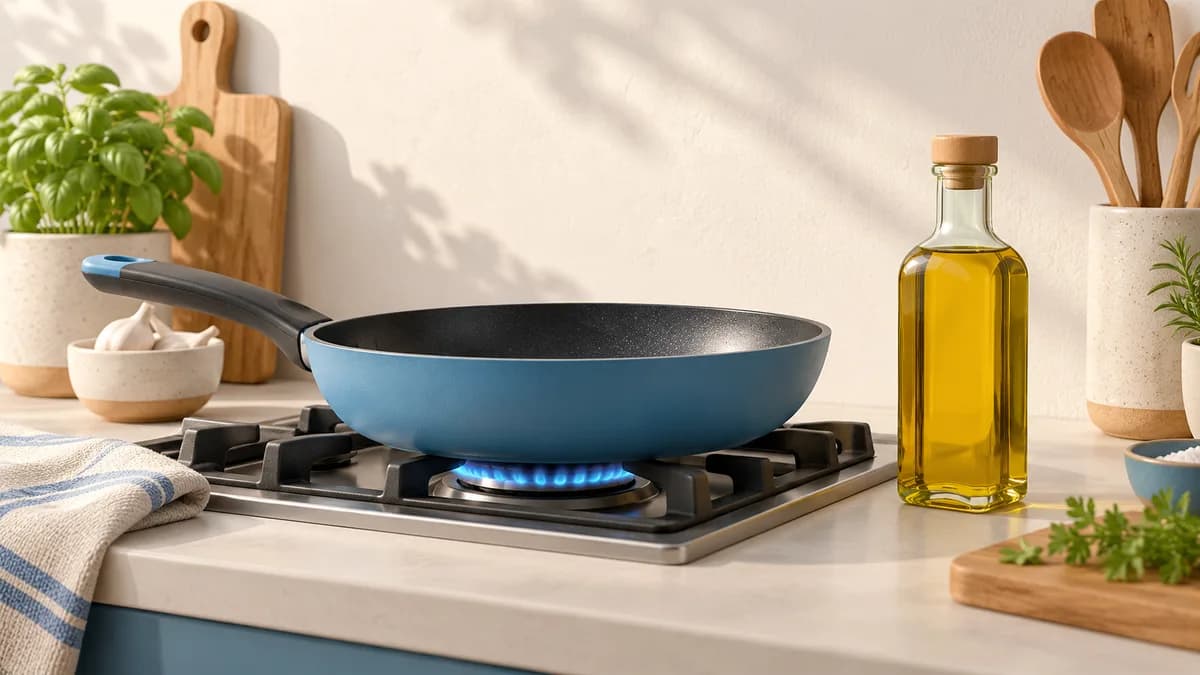
Extra virgin olive oil is suitable for cooking; reserving it only for cold dishes is unnecessary. Smoke point varies with oil quality, grade and condition, so a single number attached to an entire fruit category is an incomplete guide.
Follow the product instructions and the recipe, and control the pan temperature. A bottle chosen for a neutral taste does not make unattended high heat sensible. If an oil starts smoking, it is being overheated; do not use that as a target temperature or proof that the food is cooking properly.
Sources: UC Davis: Olive oil myths and facts; American Heart Association: Healthy cooking oils
Read the label without searching for a health winner
The American Heart Association includes olive oil among common cooking oils and notes that avocado oil can also be a healthy choice. The broader choice of replacing fats high in saturated fat with appropriate liquid oils matters more than a claim that one of these two fruits solves a health problem.
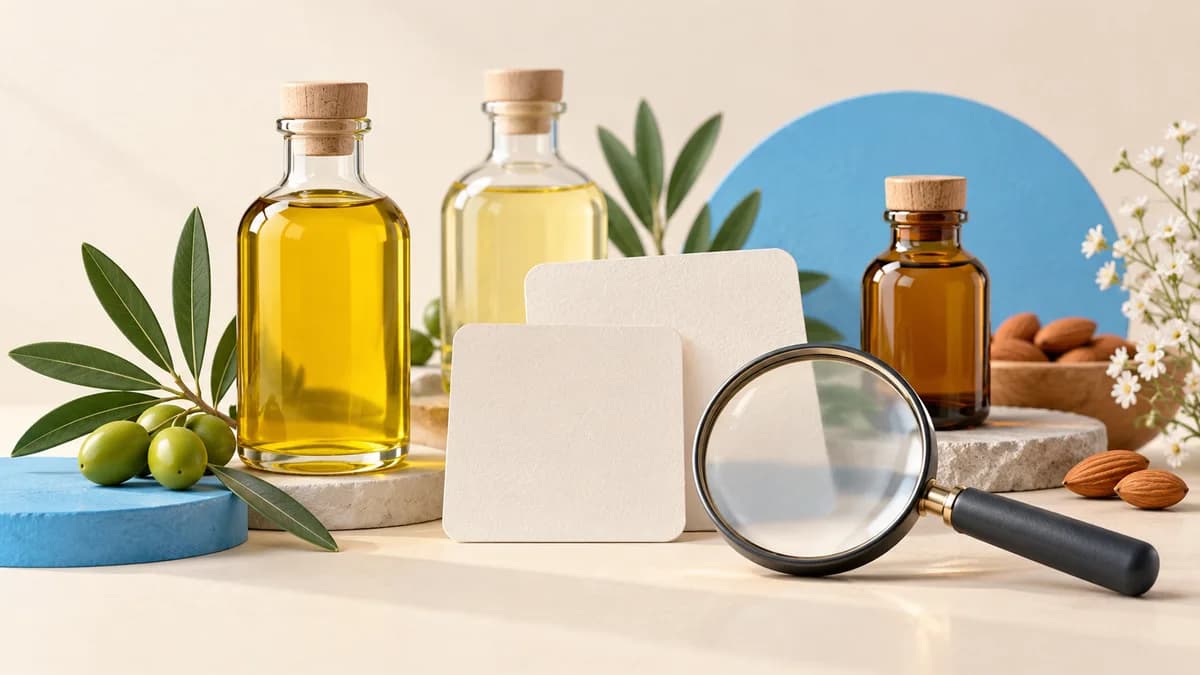
Check the ingredient list, serving information and grade. The word light on olive oil describes a lighter flavor or color associated with refining, not fewer calories. Neither an attractive bottle nor a premium price proves purity, freshness or a superior result for your diet.
- Identify the grade before comparing prices.
- Check whether the bottle contains a blend.
- Compare nutrition information on the same serving basis.
Sources: American Heart Association: Healthy cooking oils; UC Davis: Olive oil myths and facts; UC Davis: Choosing olive and avocado oil
Buy an amount you will use and protect it from heat
Keep oil in a cool, dark place rather than beside the stove. Close the cap after pouring and avoid a sunny counter. These simple habits are useful whichever fruit the oil comes from.
A large container makes less sense if you cook with oil only occasionally. Note when you open a bottle and how quickly you finish it; use that experience to choose your next size. If an oil smells rancid or otherwise unpleasant, replacing it is more sensible than trying to hide the flavor in a stronger sauce.
Common questions
Is avocado oil always better for high heat?
No. The grade, condition and product instructions matter. Compare the actual oils and use controlled heat rather than relying on one universal smoke-point figure.
Does light olive oil have fewer calories?
No. Light refers to its flavor or color, not a reduced-calorie version of olive oil.
Do I need both oils?
Only if they serve different purposes in your kitchen. A small second bottle can be useful for a distinct flavor or a milder recipe, but one suitable oil may cover your routine.
PUT IT INTO PRACTICE
Compare your options
Compare bottle formats and product details once you know which grade suits your cooking.
Compare avocado oilsSources and editorial approach
ChooseRight researched the sources below to explain the topic and its practical trade-offs. Examples are illustrations, not results from our own product testing. Sources checked October 23, 2026. Artwork is AI-generated for explanation and does not document hands-on testing.