
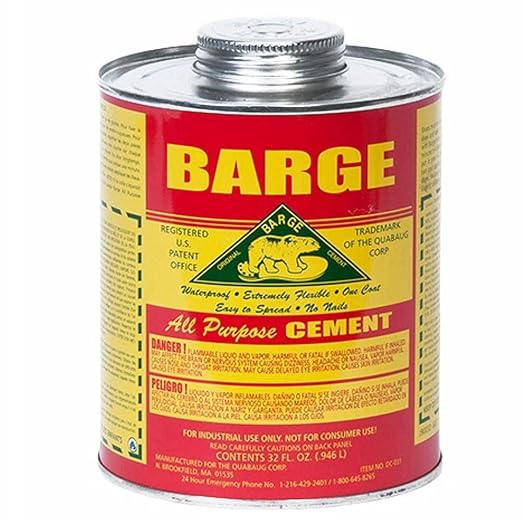
Fixing cracked leather or bonding a handle back together can be frustrating when the glue just does not hold up. Most store-bought options dry too quickly or become brittle over time. We understand how much you want your repair to actually work and still look natural. Here are our favorite five choices for leather glue according to what real users say works best:
Best Leather Glue Picks for November 2025 (By User Reviews)
- Voted America’s Favorite Crafting Glue by generations of crafters, hobbyists, and households
- Permanently bonds leathers, suedes and beadwork to leather
- Clear, flexible bond, nontoxic
- Scope of application: Suitable for all types of leather, cowhide, deerskin, suede, rubber, neoprene, canvas and so on. Commonly used in furniture, car seats, leather boots, bags, belts, sofas,...
- POWERFUL PERFORMANCE: Leather glue has strong adhesive force and flexibility, flexible leather glue can be stretched without breaking. Transparent leather glue is beautiful after bonding without...
- Thoughtful design: hose container + tiny glue outlet. This design is very efficient, the hose can be squeezed at will, and the tiny metal outlet is easy to control the position of glue application and...
- ULTIMATE LEATHER REPAIR SOLUTION: Y'allCanDiy Leather Glue is the ultimate solution for repairing and bonding all types of leather goods. From shoes and purses to sofas and car seats, our adhesive is...
- SUPERIOR BONDING POWER: Experience unmatched bonding power with Y'allCanDiy Leather Glue. Our adhesive sets in seconds, creating a strong bond that lasts. Say goodbye to cracked leather and loose...
- PRECISION APPLICATION: Each bottle of Y'allCanDiy Leather Glue comes with three precision applicator tips, allowing for precise placement of adhesive exactly where you need it. Whether you're...
- EASY TO USE: Fiebing's Leathercraft Cement is an easy to use, quick drying leather glue to bond together leather as well as with other materials.
- VERSATILE: Water-based contact adhesive can be used for a variety of DIY crafts and on leather items such as boots, shoes, purses, wallets, jackets, baseball gloves, furniture and more!
- STRONG GLUE: Super high strength, permanent bonding with long lasting results.
- Specialized Leather Adhesive - Our Duall-88 formula is one of the strongest adhesives available to bond leather, creating an outstanding bond without sacrificing performance strength
- Dries Clear - When using it to repair or manufacture leather goods such as shoes or handbags, it will remain transparent after it dries
- Versatile Adhesive - In addition to leather, it also works to bond EVA foam, metals, crepe rubber, and plastics, giving you the versatility you need
What Makes a Good Leather Glue?
Not all glues will hold on leather, and some can even damage the material. The quality comes down to a few basic things. Strength. Flexibility. Drying time. Appearance after drying. And yes, ease of use matters, since too many steps leave room for mistakes. If your repair is out in the open, color is another factor. Transparent glue might be fine on brown leather, but on white or black, it can stand out a lot.
A reliable leather glue sticks well to both old and new leather and holds up even if the material flexes regularly.
When hunting for something that holds, check the label for compatibility with leather, often this gets missed and ends up with flaking or sticky patches down the line.
Main Types of Leather Glue
Glues usually break into three groups:
- Water-based adhesives (safe, flexible, usually easy to clean up)
- Solvent-based adhesives (stickier, very strong, can sometimes damage softer leather)
- Contact cements (both surfaces get coated, then pressed together for a firm bond)
Some people swear by water-based glue because there is less odor. But a quick bond does not always equal a strong hold. Contact cements work better with larger repairs, while water-based types suit light fixes and more delicate goods like wallets or shoes.
What to Look for Before You Buy
There is no shortage of leather adhesive brands. That said, a few qualities are worth prioritizing no matter your project. Here are the ones to watch for:
- Strength of the bond once dry
- Flexibility, bond holds even when the leather bends
- Clear drying for an invisible fix
- Fast drying time, but not so quick you cannot adjust the fit
- Easy to clean up, removing excess before it hardens
- Odor, some strong glues have lingering chemical smells
- Resistance to water or moisture (important for shoes, jackets, handbags)
- Compatibility with a range of leather types (full-grain, bonded, suede etc.)
Do not get distracted by claims of ‘permanent bond’ on the packaging if it does not mention being designed for flexible leather.
As a general rule, avoid any product that gets rigid or brittle. Test a little on a hidden area first if you have never used a particular brand or type before.
Gel vs. Liquid: What Works Better?
There are pros and cons to both. A gel glue is easy to control. It stays where it is placed, which helps for vertical repairs or seams. The downside, it can take slightly longer to dry. Liquid glues spread out fast, for larger panels, this is helpful, but can seep through thin leather.
How to Apply Leather Glue (Without Making a Mess)
If a glue requires high amounts of pressure or heat, and you do not have tools for it, try something that only needs hand pressure. It will save frustration later.
Things Leather Glue Cannot Fix
Sometimes, no amount of glue can rebuild a badly split seam or a section that is missing material. In those cases, you will need a patch or even professional repair. If a tear is in a high-stress spot (like where a bag handle meets the body), sewing or rivets might be safer. Glue is not a magic fix for everything, so be realistic about what to expect.
Keep in mind that certain leathers with heavy oils, like some motorcycle or work boots, might resist bonding. If that happens, roughen the area very lightly with fine sandpaper before trying again.
Reasons to Use Leather-Specific Glue
The temptation to save money and use all-purpose glue is normal. But regular glue often flakes, peels, or stains the leather. Some even damage dyes or finishes.
Leather glue is formulated to stay stretchy and nearly invisible, so it will not crack when the leather moves. It bonds more gently, so it will not leave deep marks.
Table: Comparing Leather Glue Types
| Type | Bond Strength | Flexibility | Ease of Use | Dries Clear? |
| Water-based | Medium | High | Easy | Yes |
| Solvent-based | High | Good | Moderate | Rarely |
| Contact Cement | Very High | High | Needs Care | Yes/No |
We have tested both cheap and expensive options. Price rarely means better results. What matters more is picking one that fits your particular need, like repairs on soft gloves versus a suitcase handle.
Common Mistakes When Using Leather Glue
Problems with leather glue usually come down to these habits:
- Skipping surface cleaning, so the adhesive never bonds properly
- Using too much glue (messy, dripping edges)
- Not waiting long enough for the glue to cure
- Trying to fix a tear that really needs patching or sewing
- Using the wrong glue type for the kind of leather
- Not applying pressure while drying
- Applying in cold or damp spaces, which weakens the glue
No one really likes having to redo a repair. It makes sense to take an extra few minutes for prep rather than chase after cracks or loose flaps later on.
When to Avoid Leather Glue
If an item is very valuable, say, a designer purse or a vintage jacket, glue repairs can permanently lower its worth. You might also wind up with stains or marks that never quite blend in. For rare or highly sentimental pieces, it is best to get a quote from a professional leather shop before you use anything.
Alternative Uses for Leather Glue
This might seem obvious, but leather glue is not only for shoes or jackets. It works well for:
- DIY wallets and organizers
- Repairing car upholstery
- Protecting the edge of tool pouches
- Making costumes
- As a base layer for hand-sewn projects
- Attaching patches or name tags
Pros & Cons of Leather Glue (What to Know Upfront)
Who Should Use Leather Glue?
If you are handy, glue is a quick fix for everyday problems, small cracks, peeling labels, separating seams, or even arts and crafts. For bigger damage or precious items, we think it is better to ask for a professional’s opinion before gluing anything. Still, it is great for emergencies, costume building, or quick sneaker fixes.
Content Switcher: Leather Glue for Repairs vs. Craft Projects
Leather Repairs
DIY Craft Projects
FAQ About the Best Leather Glue
What is the best leather glue for shoes?
Look for a product that lists waterproof and flexible bonding. Shoes endure lots of bending and moisture, so a glue designed for leather that stays stretchy will last longer.
Does leather glue work on suede?
Most leather glue works on suede, but the texture means you may need extra adhesive. Always use a light touch and check a small patch first to avoid staining. Special suede products may be needed for visible areas.
How long does leather glue take to dry?
Dry time varies. Some types set in 10 minutes, others need a full hour or more. Read instructions carefully. A full cure (maximum hold) often takes 24 hours.
Can you remove leather glue after it dries?
If you catch unwanted spills before they fully set, a damp cloth can help. Once it is dry, removal usually means carefully scraping or using rubbing alcohol, risking marks. Testing the glue on a scrap piece first is always smart.
What is the best way to store leather glue?
Keep the cap tightly closed in a cool, dry place away from sunlight. Wipe any glue from the tip after every use to prevent clogging. Standing the bottle upright will help it last longer.
Still not sure which leather glue is right for your repair? What makes one a better fit than another for your project?
Last update on 2025-11-08 / Affiliate links / Images from Amazon Product Advertising API

