
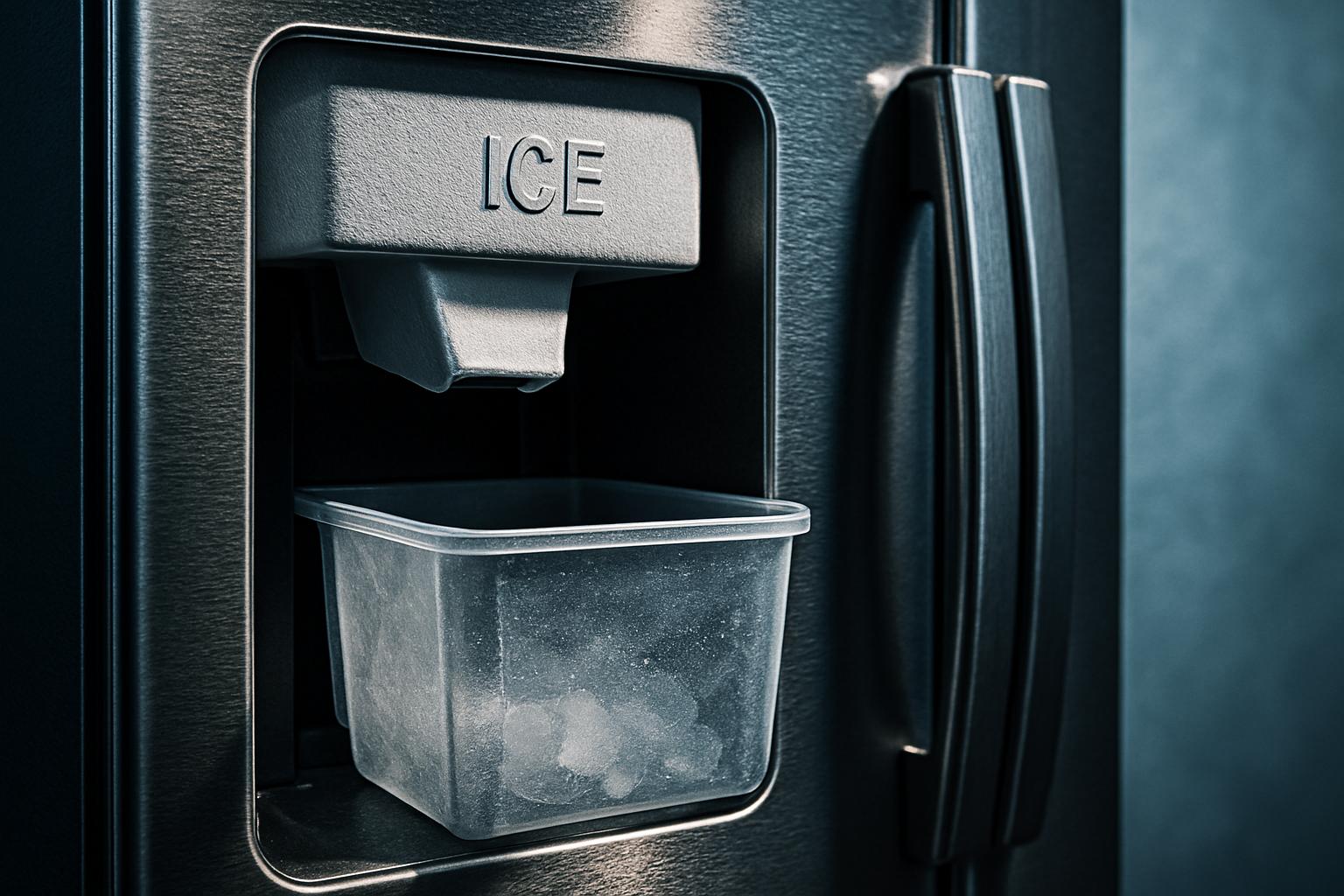
Finding an ice maker refrigerator that actually fits your lifestyle can feel frustrating. There are so many shapes, sizes, and clever features out there, and not all of them deliver on convenience or performance. Some models freeze up, others do not keep up with demand, and energy use is always on your mind. If clear, hands-free ice and steady cooling are your top priorities, these are the ones to keep on your radar based on ratings and real reviews:
What to Watch for When Choosing an Ice Maker Refrigerator
Refrigerators are not a small investment, and for many, that built-in ice maker can make or break the deal. That said, picking the right one goes far beyond just “does it make ice” or “does it keep things cold.” There are all sorts of details that seem minor at first which can end up changing how satisfied you feel six months in.
Many complaints about ice maker refrigerators come down to noise, slow ice production, or leaky dispensers, yet these issues pop up even with top brands.
So what are the main points people tend to love or regret? Here is what stands out after comparing hundreds of reviews and getting feedback from owners:
Ice Production Speed and Capacity
For families and small offices, slow ice makers will leave you frustrated. Most standard models produce 3 to 5 lbs of ice a day, but higher-end refrigerators can produce up to 12 lbs. If you like entertaining, or your kitchen sees a lot of drink refills, look for higher daily capacity and a large removable bucket.
Ice Type: Cubes, Crushed, or Both?
This is more important than you might guess. Some love the soft crunch of crushed ice, while others prefer solid cubes that do not water down drinks as fast.
If the refrigerator only makes cubes, that will disappoint fans of crushed ice, especially in warm weather when everyone wants something cold fast.
We recommend thinking ahead about how your household uses ice. If you mostly serve cocktails, smoothies, or iced coffee, the flexibility of both options can be a game-changer.
Water Dispenser Placement and Filtration
Some ice dispensers are inside the door, others are mounted outside for easy access. The placement affects both convenience and available storage space. Also, filtration matters. Filters reduce odd tastes and odors in the ice, so double check the specs. How often will you need to swap the filter, and is it a quick DIY job or a pain?
Noise Level in Daily Use
Most do not consider noise when buying, but reviews often mention rattling, clicking, or even a loud “clunk” as the ice drops. If you have bedrooms or a home office near the kitchen, check what owners say about sound, especially at night.
Reliability and Maintenance
All ice makers require occasional cleaning. Some models are easier to maintain, and you will want to avoid ones prone to clogging or leaking. Sensors should be reliable, the last thing you want is an ice bucket that keeps overflowing because the machine did not shut off.
Ease of cleaning should never be an afterthought. Ice taste and machine lifespan both suffer without regular maintenance.
Common Types: What Suits Different Routines
Refrigerators with ice makers break down into a couple of main categories. These choices matter more than people expect, especially in terms of storage and convenience:
| Type | Why Pick It? |
| Side-by-Side | Easy access to both ice and filtered water. Slimmer bins but easy for kids and guests. Shelves sometimes feel narrow. |
| French Door | Roomy shelves and wide fridge space. Ice makers go in the door or freezer, which frees up main area. More expensive, usually. |
| Top or Bottom Freezer | Basic, often with smaller built-in or optional ice makers. Lower price but rarely have ice/water in door. |
| Counter Depth | Fits in smaller kitchens or tight corners. Less overall storage, but can still offer ice/water dispensers on fancier models. |
Different kitchens need different solutions. For example, an inside-ice bin might stop little ones from helping themselves, while a through-the-door option feels like less hassle for taller teens or adults hosting guests. Sometimes, it is the little things that tip the scale.
Best for Entertaining
Best for Small Families
If you host often, look for a refrigerator with a quick ice button, large removable ice bin, multiple ice types, and a through-the-door dispenser. Backup freezer trays can help when you suddenly run out of ice mid-party.
For everyday use by two to four people, reliability beats bells and whistles. Focus on models with auto-shutoff, a good warranty, and easy filter replacement. Door bins for quick snack storage matter more than massive ice output if you have simple needs.
Quick How-To: Picking the Best Ice Maker Refrigerator
Buyers Guide: Features That Matter (and Some That Might Not)
Some features get a lot of attention in showrooms and ads, but not all of them have equal value in daily use. Here is where it really pays to focus:
- Ice output speed and daily maximum
- Easy-access bins and dispensers
- Reliable filter system for ice and water
- Simple, clear controls
- Solid manufacturer warranty
- Availability of replacement parts
- Energy consumption
- Overall storage configuration
- Soft-close doors and sturdy shelves
What about those fun extras? Touchscreens, smart home features, WiFi alerts, even lighting effects. Some people swear by them, but for most households, these do not matter as much as the ability to make ice quietly and consistently. If you want “smart” features, check whether they add ongoing fees for apps or support. The excitement can wear off fast if it is less reliable than just pushing a button.
Pros and Cons of Ice Maker Refrigerators
- No more running out of ice at parties or BBQs
- Hands-free dispenser means less mess
- Water and ice in one spot saves time
- Models available for most budgets and sizes
- Consistent supply for big families or offices
- Usually paired with high-quality filtration
- Good for quick cooling of drinks on demand
- Optional child locks make them safe in busy kitchens
- Many offer quick tray access for cleaning
- Can offer extras like LED lighting or measured fill
- Some models are loud when producing or dispensing ice
- Dispenser can eat into shelf space and door bins
- Complex models can be expensive to repair
- May need frequent filter changes
- Risk of clogging or leaks if not cleaned regularly
- Sensors sometimes misread full buckets
- Filtered water sometimes tastes odd after first install
- Ice can block up if not used regularly
- Higher power use versus models with no ice maker
- Smart features sometimes require extra steps or apps
Design Shortcuts to Avoid
Not every ice maker refrigerator gets the basics right. Look out for these common slip-ups people regret down the road:
- Non-removable ice trays: Cleaning and removing stuck cubes is no fun.
- Unmarked filter reset buttons: Hard to keep track of when to swap filters.
- Cheap plastic dispensers: Prone to break and feel wobbly with time.
- Units with no manual override: Sometimes digital sensors fail, and you need to reset the system.
- Smaller freezers paired with big bins: Ice makers take up more space than they seem.
You may think some choices are only minor details, but it is the built-up effect over time, emptying the bin, making room for holiday platters, or dealing with the first “no ice” morning, where it all becomes real.
Energy Use and Environmental Impact
Energy consumption is more than just a bill at the end of the month. Some ice maker refrigerators use nearly twice as much energy as similar models with no built-in unit. Luckily, more models advertise Energy Star certification. That does not always guarantee the lowest ice production cost, though.
What you can do: look up estimated kWh per year, or if the data is missing, ask for it. If energy matters, consider skipping flashy add-ons like door screens in favor of a good compressor and low-waste LED lighting.
Must-Have Extras or Gimmicks?
Some features sound exciting, but reviews and our own tests show mixed results. Door-in-door snack drawers can be helpful but also invite more cool air loss. Built-in sparkling water dispensers often need extra filter kits or ongoing cartridge costs. See-through panels are fun for guests but not necessary for everyone.
The two extras people mention most favorably are:
Easy-clean spill trays around water dispensers and drip-free ice shutes. These both cut down on sticky puddles or those annoying ice-cube-on-the-floor mornings.
On the novelty end, a camera to show inside your fridge remotely? Very rarely used after the first month. Same with app-controlled ice maker status, nice but rarely essential.
Maintenance Basics
No refrigerator is truly maintenance free. A few simple habits go a long way to keeping your machine running well and your ice tasting clean:
- Change filters as often as the manual states
- Run a cleaning cycle (where offered) every few months
- Wipe dispenser chute to avoid ice or bacteria buildup
- Dump unused ice if it sits unused for too long
- Check seals and hinges for leaks or rattles
It is tempting to let these steps slide. But in our experience, most problems, cloudy ice, strange noises, slow production, tie back to skipped maintenance or overdue filter swaps.
FAQ: Choosing & Using the Best Ice Maker Refrigerator
Are ice maker refrigerators worth it for small households?
For most singles or couples, built-in units might feel like overkill. But if you like cold drinks daily or want filtered water, they can be handy. Check smaller models with compact bins if you are unsure.
How do you clean a refrigerator ice maker?
Turn off the ice maker. Remove and wash the bin with mild soap and warm water. Run a cleaning or flush cycle if the model allows. Rinse and dry before replacing. Swap filters on schedule for best results.
What is the most common complaint about ice maker refrigerators?
Noise is a regular concern, but so are slow ice production and leaky dispensers. Reading recent user reviews before buying equals fewer surprises down the road.
Is a dual ice maker an upgrade worth paying extra for?
If you go through a lot of ice or like having crushed as well as cubes, dual ice makers are convenient. Otherwise, smaller households may not need the extra capacity unless entertaining a lot.
How long does a refrigerator ice maker last?
On average, built-in ice makers last between 4 and 7 years before needing major repair or replacement. Regular maintenance, especially filter changes and cleaning, can push that lifespan higher.
Choosing a new refrigerator with an ice maker feels simple on paper, but in practice there is a real chance for regret if you rush. Sturdy hardware, flexible ice options, and simple cleaning matter more than a big screen or flashy design. What kind of ice maker routine would match your kitchen best, and are you ready to keep up the light maintenance these features need?