
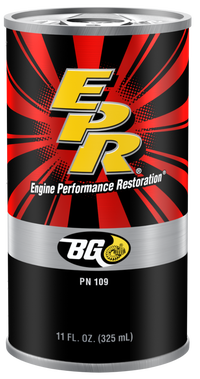
Best Engine Flush of November 2025

Trying to choose the best engine flush can feel overwhelming if you want your car to run cleaner and longer. Not every product does what it claims, and sorting out which ingredients matter or what to expect is not always simple. It does not help that results are rarely instant. To save you the confusion and some time, here are five top choices people like for real-world results:

Best Engine Flush Picks for November 2025 (By User Reviews)

Expert Choice No. 1
Liqui Moly Pro-Line Engine Flush | 500 ml | Oil additive | SKU: 2037
  • Easy way to clean and flush the oil systems of gasoline and diesel engines
  • Gentle and rapid cleaning
  • Neutral to seals and other materials installed in the engine
SaleExpert Choice No. 3
TRIAX Pro Engine Flush Oil-Based Deep Clean Motor Oil Flush Removes Sludge & Carbon | Non-Solvent |...
  • Rapidly Dissolves Sludge & Deposits: Dissolves engine deposits from piston rings, bearings, valve train, and other lubricant-related parts, while maintaining a lubrication film through the entire...
  • Restores Engine Power & Compression: Revives sluggish engines by improving oil circulation, pressure, and overall performance, frees stuck piston rings, and improves valve seating, restoring power
  • Anti-Wear Protection During Flush: Preloaded with ZDDP to stop metal-to-metal contact and turbo-wear during flushing—no other flush provides this level of protection; Prevents turbo-charger coking...
Expert Choice No. 4
Liquii Moly Pro-Line Engine Flush (500 ML) - 2 PACK
  • Easy way to clean and flush the oil systems of gasoline and diesel engines
  • Gentle and rapid cleaning
  • Neutral to seals and other materials installed in the engine
Expert Choice No. 5
Liquii Moly Pro-Line Engine Flush (500 ML) - 3 PACK
  • Easy way to clean and flush the oil systems of gasoline and diesel engines
  • Gentle and rapid cleaning
  • Neutral to seals and other materials installed in the engine

Why Use Engine Flush At All?

Engine flush products promise to clean out sludge, varnish, or grime that builds up from start-stop traffic, short trips, or inconsistent oil changes. If you have seen dirty oil that feels thick or smells burnt, you know that something is not right inside. We have found that many people want a quick fix, but most engine flushes are really just maintenance tools. They help prevent issues when used at the right moment, typically before an oil change, not instead of one.

Engine flush is not a replacement for worn parts, or a magic fix for neglected engines. Think of it as a support, not a cure.

The main draw is simple: removing leftover gunk can make new oil work better. Some users expect better mileage, less valve noise, or smoother idling. In practice, that depends on the age and state of the engine. For recent engines with good maintenance, the gains are smaller. Older cars showing signs of sludge may see more improvement, but the product alone will not undo years of neglect.

What Makes a Good Engine Flush?

The difference is usually in the details. Ingredients matter, some formulas use detergents, others solvents or mild acids. Each claim to break down different kinds of deposits. Some are harsh and may not be right for newer engines or vehicles with high miles and worn seals. Gentler products are safer for old gaskets but may not do much for heavy, crusty build-up.

When comparing engine flushes, consider these points:

  • Compatibility with your engine type and oil (diesel or gasoline, synthetic or mineral)
  • Strength of cleaning: do you want aggressive cleaning or a milder, safer flush?
  • Additive safety for seals and sensitive parts
  • Ease of use (some require idling, others need more steps)
  • Results: is there proof or user feedback that backs up claims?

Stronger is not always better. A common fear is that a harsh flush can dislodge old sludge, which may then clog small passages or weaken brittle seals. This is not just a rumor, sometimes, cleaning an old, high-mileage engine too aggressively can uncover leaks or lead to knocking sounds. It helps to know what you want to achieve, and how much risk is acceptable for your car’s age and condition.

Cleaning out too much at once can cause leaks or other problems, especially in engines with neglected service records.

What Ingredients Should You Look For?

Most mainstream flushes rely on solvents like kerosene or petroleum distillates to dissolve sludge and carbon. Some add mild detergents. Others focus on enzymes or modern synthetic cleaners, which claim to be less harsh. A smaller group of products use seed oils or so-called green cleaners, but there is little evidence these work better.

If you are concerned about compatibility with gaskets and seals, look for “safe for all engine seals” on the label. Some products warn against use in turbocharged engines or those with variable valve timing. Always check that before buying. If you see ingredients you cannot recognize, a bit of caution helps. Most reputable brands publish Material Safety Data Sheets (MSDS) that can clear up what is in the bottle.

How to Use Engine Flush Safely

Steps to Use Engine Flush Properly
Instructions vary by brand, but these are the typical steps for most products.
Warm Up Engine
Start the engine and let it reach normal operating temperature. This helps the cleaner circulate through oil passages.
Add Flush to Oil
Turn off the engine. Pour the recommended amount of engine flush directly into the oil filler.
Idle According to Instructions
Restart the engine and idle for the amount of time stated on the flush bottle, usually between 5 to 15 minutes. Do not drive the vehicle during this period.
Drain Oil Completely
Turn off the engine and drain the old oil while it is still warm. This removes suspended contaminants along with the flush.
Replace Filter and Add Fresh Oil
Install a new oil filter and refill to the correct level with fresh oil. Always check for leaks and odd noises after starting the engine.

When Should You Use an Engine Flush?

Not everyone needs to use engine flush regularly. Some mechanics suggest it only for engines with a history of neglected service or visible sludge. If the oil comes out thick, gritty, or black before its change interval, an occasional flush may help things along. For newer engines or those still under warranty, check with the manual, sometimes, the manufacturer warns against using any cleaning products.

A good rule is to use engine flush only as needed, not at every oil change. Overuse can wear out seals or cause small leaks to grow. If you are not sure whether your engine needs it, look for oil filler caps with residue, or use a dipstick to check for visible gunk. Thick or burnt-smelling oil is another signal.

Check manufacturer guidance before using engine flush. In some cases, using it can affect warranty protection.

Are the Results Worth It?

This depends on your starting point. For cars with regular oil changes and no signs of sludge, there may be no dramatic change. Some people report smoother idling, quieter valve noise, or a little more power right after a flush. These effects tend to be subtle. What really happens inside the engine is slow, a flush is not a total reset button.

Some users see dark, syrupy oil drain after using a flush and feel satisfied. But if the car is already running well, no smoke, and passes inspection, there may be little need. For high-mileage cars, or those with a history of short trips and inconsistent oil changes, this can clear out deposits and delay bigger issues. Just remember: cleaning too aggressively can create leaks where weak seals already exist.

How Often Should Engine Flush Be Used?

Once again, do not overdo it. Most engine flush products recommend one use per oil change, and only when needed. For daily drivers with consistent maintenance, occasional use (once a year, or every few oil changes) may be enough. For engines that show no problems, you may not need a flush at all.

Comparing Engine Flush Strengths and Risks

TypeActionRisks
Mild DetergentCleans light deposits; safe for most sealsMay not remove heavy sludge
Strong SolventBreaks down thick sludge quicklyCan cause leaks in older engines
“Eco” FlushClaims natural, less harsh ingredientsEffectiveness is sometimes less clear

Common Mistakes to Avoid

People sometimes think more flush is better, or confuse results with instant improvements. Avoid driving with engine flush in your oil, most products warn against actual driving, since thin or solvent-rich oil may lead to damage at high speeds.

Do not skip the oil filter change after flushing. The flush lifts debris into suspension, so an old filter can become clogged quickly. Some people even drain oil too soon, before the flush has time to work. Always follow directions for idling time and do not exceed it.

If your car has used only synthetic oil, shows no change in oil color, or is still under warranty, engine flush may not add much value.

Testing Results and What To Watch For

While some brands show dramatic before-and-after photos, keep in mind that real results vary. Look for signs like smoother idling, easier cold starts, or quieter top-end noise. These are usually noticed within one or two drives after the oil change. Rarely, serious old engines might show dramatic changes, or develop new issues, like leaks, if seals are weak.

We noticed that feedback for engine flush is mixed because no two engines are alike. Some cars respond well and feel smoother, while others seem unchanged. This does not mean the product failed; it just may have been less needed in your situation. Keep expectations realistic, if visible sludge or noise persists after a flush, then a deeper mechanical cleaning may be needed.

Quick Breakdown: Pros and Cons of Engine Flush

Positive
  • Can clear out old sludge and varnish
  • Helps prevent early oil contamination
  • May quiet valve noise
  • Improves oil flow in neglected engines
  • Easy to use before oil change
  • Some formulas are safe for gaskets
  • May restore a bit of lost performance
  • Can reduce oil burning in some cases
Negatives
  • May cause leaks in worn engines
  • Not always needed if oil is changed often
  • Aggressive flushes can be too harsh
  • Results may be subtle or hard to see
  • Cannot fix major mechanical problems
  • Can void warranty if not approved
  • Overuse shortens seal life
  • Some formulas are toxic; safe disposal is needed

Engine Flush vs Additives: What’s the Real Difference?

Engine Flush

Oil Additive

What Else to Look for When Buying Engine Flush

Besides ingredients, check bottle size and value for money. One bottle is usually enough for most cars, but bigger engines may need more. Does it come with clear instructions? Is disposal of used oil and flush simple?

Watch for claims of miracles. Some brands say their flush restores compression or removes all sludge. That seems unlikely. Realistically, these products only clean what they can reach, the best result is cleaner oil passages and protection against future build-up. Do not expect new-car performance from an old car. If in doubt, speak with a mechanic familiar with your car’s history.

Frequently Asked Questions About Best Engine Flush

Is engine flush safe for all cars?

Engine flush is designed for use with most gasoline and diesel engines, but not all vehicles are the same. Always check your owner’s manual and make sure the product is approved for your car. Sensitive or older engines may be better off without a flush.

How often should you use engine flush?

Most manufacturers recommend using engine flush only when necessary, not at every oil change. For cars with regular oil changes and no symptoms of sludge, use may be unnecessary. Once a year is enough for most situations.

Will engine flush help with noisy lifters or ticking sounds?

Engine flush can sometimes help with light ticking or valve noise caused by dirty oil, but it is not a cure for mechanical wear. If noise continues, other repairs may be needed.

Can engine flush fix oil leaks?

No, engine flush does not fix leaks. In fact, in some high-mileage engines with weak seals, using a strong flush can worsen leaks by washing away deposits that temporarily blocked small cracks.

How do you know if your car needs an engine flush?

Look for thick, gritty oil on the dipstick, dark deposits under the oil filler cap, or symptoms like rough idling. If oil changes are delayed or the vehicle takes a lot of short trips, flush might help. But if there are no symptoms, it is usually not needed.

Is it better to be safe or skip the engine flush if your car is running fine? Or are you curious about what is hiding inside your engine right now?

Last update on 2025-11-08 / Affiliate links / Images from Amazon Product Advertising API

Daniel Murray
We will be happy to hear your thoughts

Leave a reply

ChooseRight.net
Logo