
START HERE
The short answer
Semi-permanent color usually deposits direct color without a developer. Demi-permanent color generally uses an activator and deposits color deeper, so it often lasts longer and offers more gray blending. Neither category is a dependable shortcut to making dark hair substantially lighter.
- Check the formula instructions, not just the word semi or demi in a retailer title.
- Gray blending and opaque gray coverage are different results.
- Lower commitment does not mean allergy-free or guaranteed to wash out completely.
The practical difference is how the color is applied
A typical semi-permanent formula is ready to use. A typical demi system pairs color with its specified developer or activator. Wella distinguishes the categories by how far color is deposited into the hair, with demi color generally lasting longer. These are useful shopping clues, not a substitute for reading the exact instructions.
The comparison below is a starting point. A salon gloss, a direct bright color and a home gray-blending kit can have different goals even when the package uses similar language.
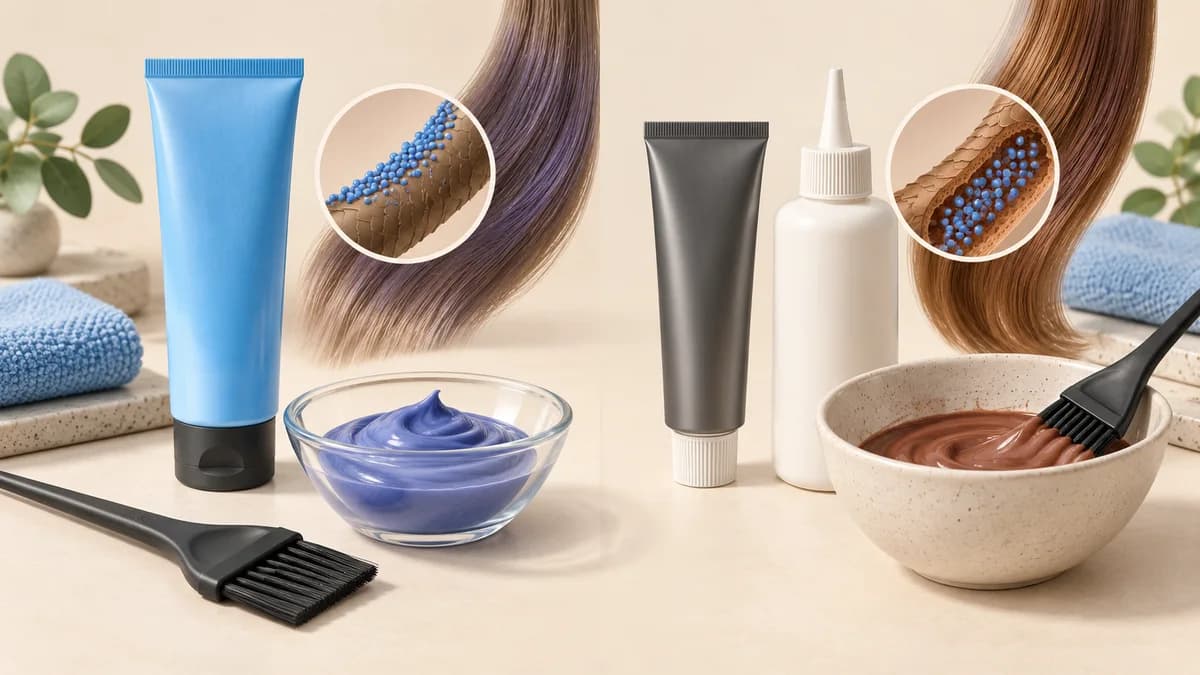
| Question | Semi-permanent | Demi-permanent |
|---|---|---|
| Developer required? | Usually no | Generally yes, using the specified activator |
| Typical purpose | Refresh tone or add direct color | Refresh tone, deepen color or blend some gray |
| Expected persistence | Usually shorter than demi | Usually longer than semi |
| Major lightening? | Not the purpose | Do not assume it can lighten substantially |
| Exact wash count? | Formula-dependent | Formula-dependent |
Sources: Wella: demi vs. semi-permanent color
Choose for the result you want
For a low-commitment tone refresh, start by looking at semi-permanent options. For a longer-lasting natural shade or early gray blending, investigate demi formulas. That still leaves a second decision: whether the shade and product are appropriate for your current hair color and treatment history.
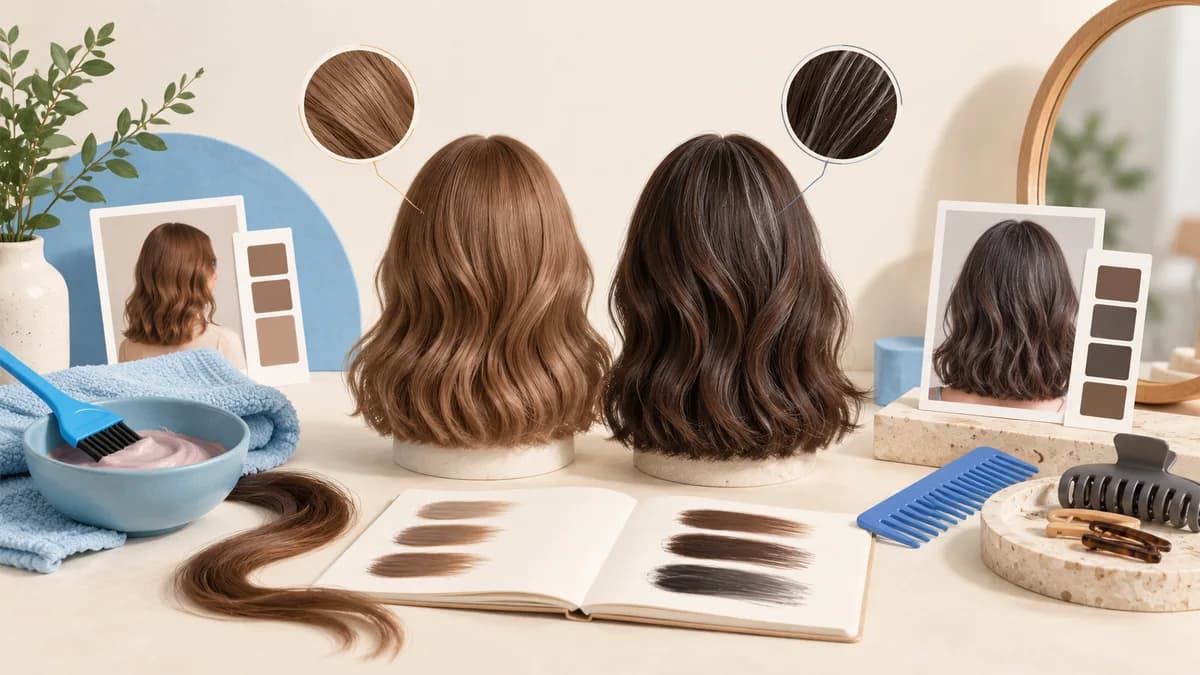
Consider a specific example. dpHUE describes Color Dream as a zero-lift demi formula for refreshing color and blending up to 20% gray. That tells you more than the category name alone. Someone with extensive resistant gray should not infer full coverage from the word demi, and someone wanting to go much lighter needs a different plan.
Sources: Wella: demi vs. semi-permanent color; dpHUE: Color Dream formula and instructions
Read the kit as carefully as the shade name
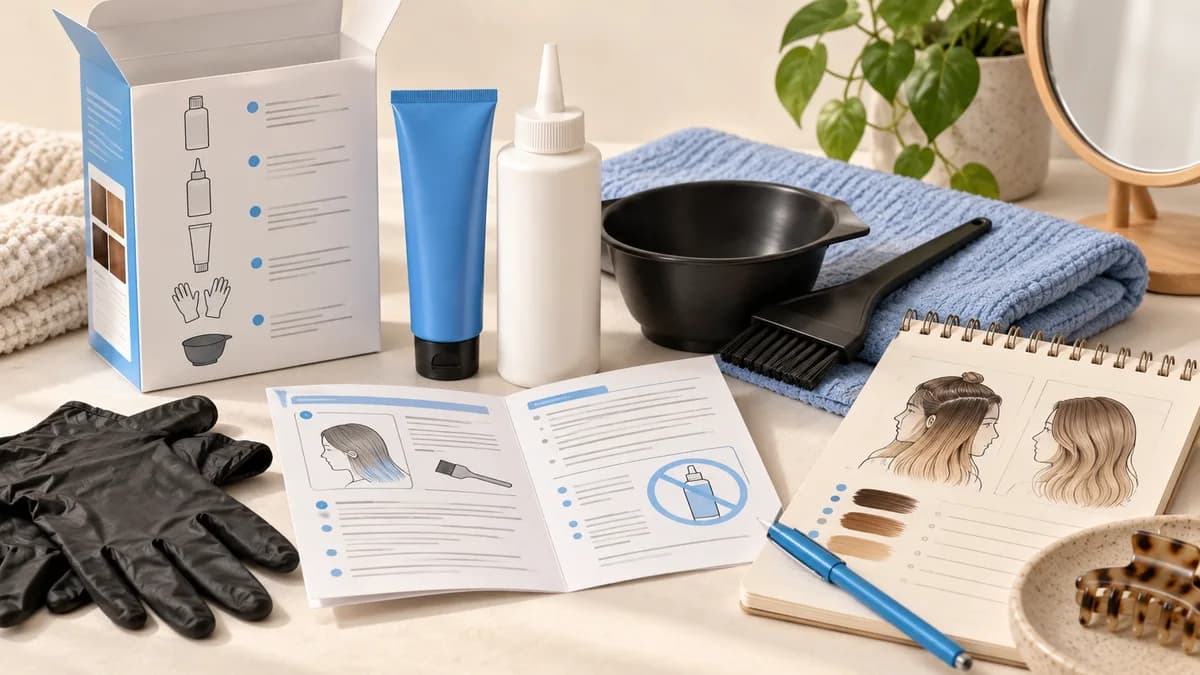
Before buying, find the instructions and the contents list. A bottle of color and a separate activator are not necessarily a complete salon kit: some products require you to supply the correct developer, gloves and application tools. Never substitute a stronger developer to chase a lighter result.
Write down your starting shade, whether the lengths are previously colored or lightened, and what you want to change. Compare those details with the manufacturer shade guidance. If your roots and lengths have very different histories, a single all-over application may not be the right approach. Ask a colorist rather than guessing at a corrective formula.
- Confirm the product is suitable for your current shade and previous treatments.
- Check gray-blending limits separately from the color name.
- Read whether activator and application supplies are included.
- Use the timing and mixing directions for the exact version you buy.
Sources: dpHUE: Color Dream formula and instructions; Wella: demi vs. semi-permanent color
Think about the next application, too
A shorter-lived color is not automatically the easier choice. Frequent washing, the starting color and hair condition can affect how soon you want a refresh. Wella notes that pre-lightened hair and color intensity affect persistence; do not plan an important event around a promise that all pigment will disappear on a particular day.
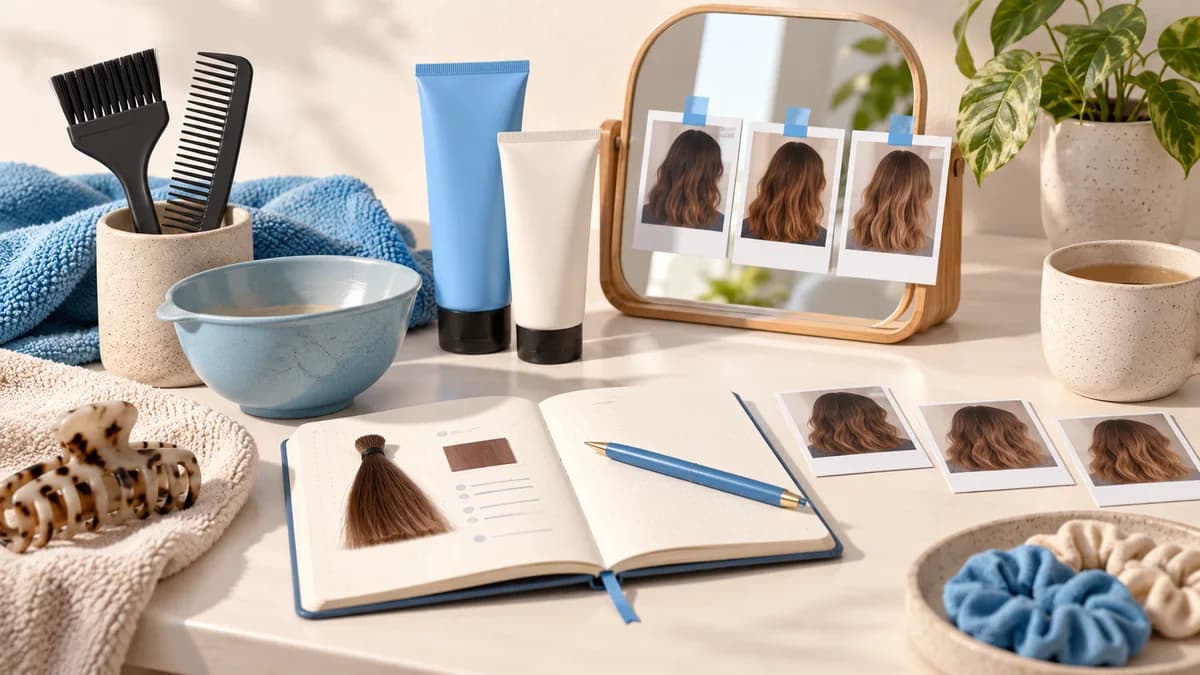
Use the first application as a recordkeeping opportunity. Save the shade and product name, note the application date, and judge the result in similar lighting over time. This is a practical way to decide whether the color suits you without treating a brand wash-count claim as your personal deadline.
Sources: Wella: color longevity and aftercare
Follow the safety steps for either category
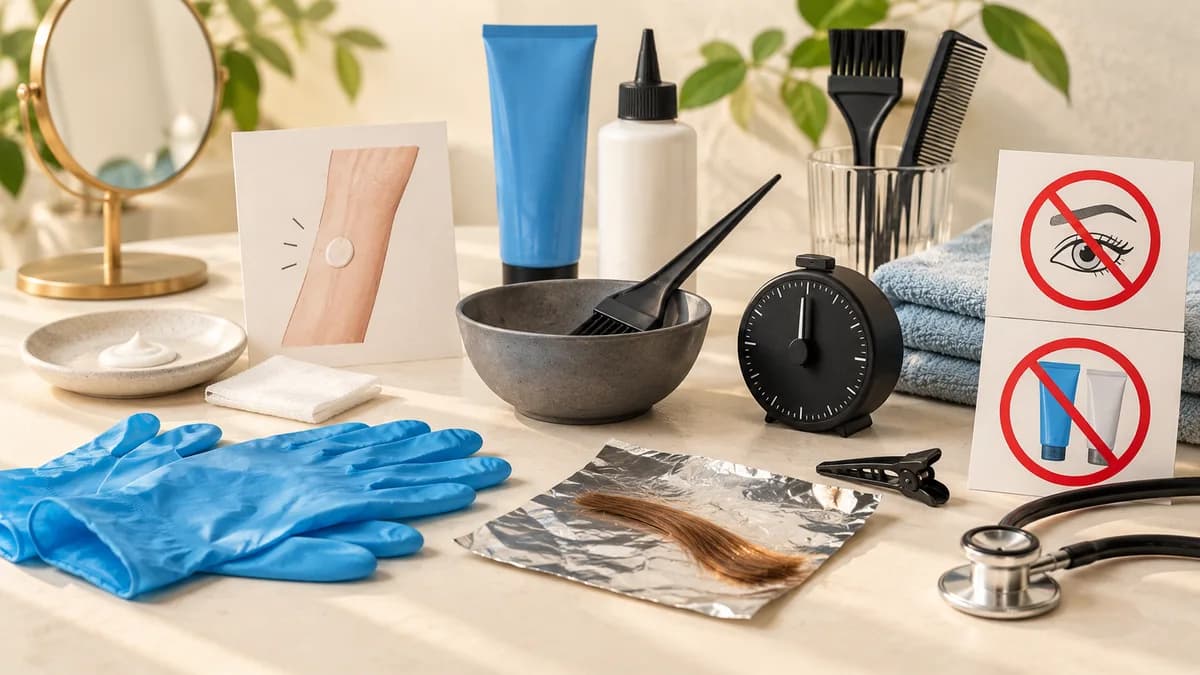
FDA advises following package warnings and doing the specified skin patch test every time you color, even if you have used the product before. A strand test checks the color result; it does not replace the skin allergy test. Ammonia-free wording does not remove these precautions.
Wear gloves, respect the processing time and rinse as directed. Do not use scalp hair dye on your eyebrows or eyelashes, and do not combine different dye products. If you have had a dye reaction, get medical advice before trying another formula rather than assuming semi-permanent will solve the problem.
Sources: FDA: hair dye safety
Common questions
Is demi-permanent the same as permanent hair dye?
No. Demi formulas are generally used for color deposit and gradual fading, while permanent color serves different coverage and color-change goals. Read the specific product guidance rather than selecting by the word permanent alone.
Can I use demi color to cover all my gray?
Some demi formulas blend gray, but coverage limits vary. Check the manufacturer claim for that product and your percentage of gray. Blending leaves a softer mix of tones; it is not a promise of uniform opaque coverage.
Is semi-permanent color completely damage-free?
Do not treat a category name as a safety guarantee. Ingredients, previous treatments and application matter. Follow the warnings and allergy-test instructions for the product you choose.
PUT IT INTO PRACTICE
Compare your options
Compare five formulas by gray blending, application format and the supplies you need before choosing a shade.
Compare demi-permanent hair colorsSources and editorial approach
ChooseRight researched the sources below to explain the topic and its practical trade-offs. Examples are illustrations, not results from our own product testing. Sources checked October 21, 2026. Artwork is AI-generated for explanation and does not document hands-on testing.