
START HERE
The short answer
Demi-permanent hair color commonly carries a wash-based longevity claim, but the number varies by formula. For example, dpHUE Color Dream states up to 16 shampoos and Madison Reed ColorWonder up to 25 washes. Hair history, shade and washing habits affect the result; these are not guaranteed reset dates.
- Use the exact product wash claim rather than a universal number of weeks.
- Fading, visible new roots and complete pigment removal are different things.
- Track when the tone stops suiting you before choosing a repeat application schedule.
Start with the formula-specific claim
Two products can both be demi-permanent and advertise different wear periods. Color Dream lists up to 16 shampoos; ColorWonder lists up to 25 washes. Those figures are manufacturer claims, not a head-to-head test showing one formula outperforms the other on the same hair.
Check the current product page and box before buying again. Formulas, shade options and instructions can change. A result quoted for another product in the same brand family may not apply to the kit in your hand.
| Example formula | Manufacturer longevity claim | What the claim does not establish |
|---|---|---|
| dpHUE Color Dream | Up to 16 shampoos | That your exact shade disappears after shampoo 16 |
| Madison Reed ColorWonder | Up to 25 washes | That every user keeps the initial intensity for 25 washes |
Sources: dpHUE: Color Dream formula and instructions; Madison Reed: ColorWonder
Convert washes to weeks carefully
Wash counts are useful because two people may shampoo at very different rates. As arithmetic only, 16 washes at twice a week spans eight weeks; at four times a week it spans four. That calculation describes when the washes occur. It does not predict an eight-week or four-week cosmetic result.
Count your usual shampoo sessions before deciding whether a formula fits your routine. If you wash after frequent workouts, your calendar will differ from someone who shampoos less often. There is no need to ignore scalp comfort or hygiene simply to stretch a color estimate.

- Write down how often you actually shampoo in a typical week.
- Treat the calculated weeks as a rough planning aid, not a refresh instruction.
- Reassess by the appearance of your tone and the current product directions.
Your starting hair changes the outcome
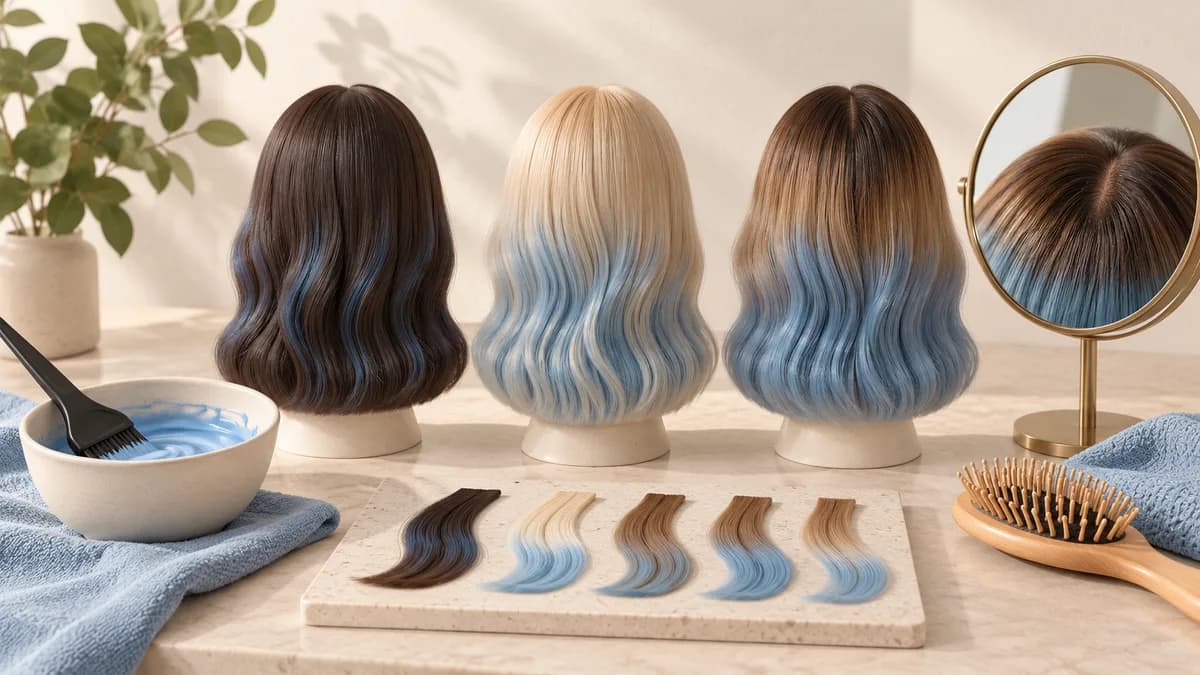
Wella identifies pre-lightened hair and shade intensity as factors in how color persists. Previous coloring matters, so the same product may not fade identically on untreated roots and lightened lengths. A photo of another person using your shade cannot tell you exactly what your own fade will look like.
Also separate unwanted fading from visible regrowth. Hair growing from the scalp has not received the earlier application. Seeing your natural roots does not, by itself, mean that the color on the lengths has washed away. When deciding what needs refreshing, inspect roots and lengths separately instead of automatically coloring everything again.
Sources: Wella: color longevity and aftercare
Make aftercare consistent, not extreme
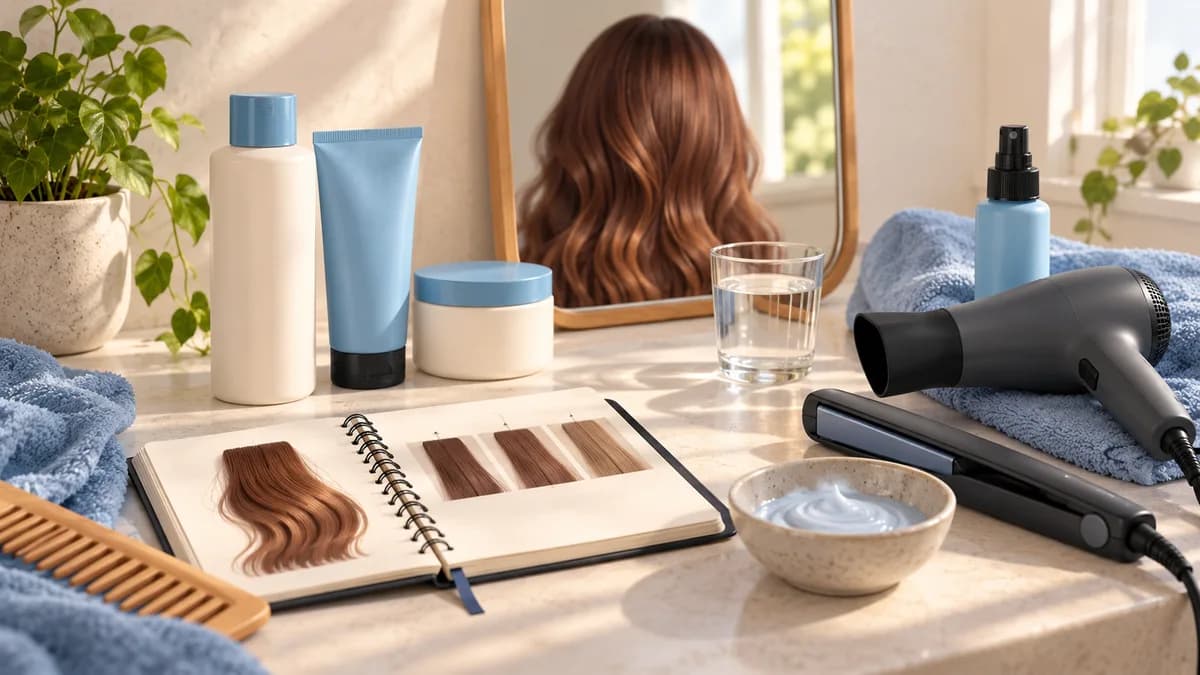
Wella recommends suitable color-care products and managing heat exposure. Follow the dye manufacturer guidance for washing and aftercare, use comfortably lukewarm rather than very hot water, and follow heat-protection directions when styling. These habits support care; they cannot turn a wash-count estimate into a guarantee.
Keep changes modest enough that you can tell what helped. Record the application date and shade, then check your color in the same daylight spot every few washes. If you add a color-depositing conditioner, remember that it adds another source of pigment. You are no longer observing how the original dye fades on its own.
Sources: Wella: color longevity and aftercare
Refresh according to the instructions and your goal
Decide what is bothering you before repeating the color. Is it the roots, a warmer tone, or a general loss of intensity? Note that concern and consult the formula directions. A colorist can help when the roots and lengths need different treatment or previous applications have left an uneven result.
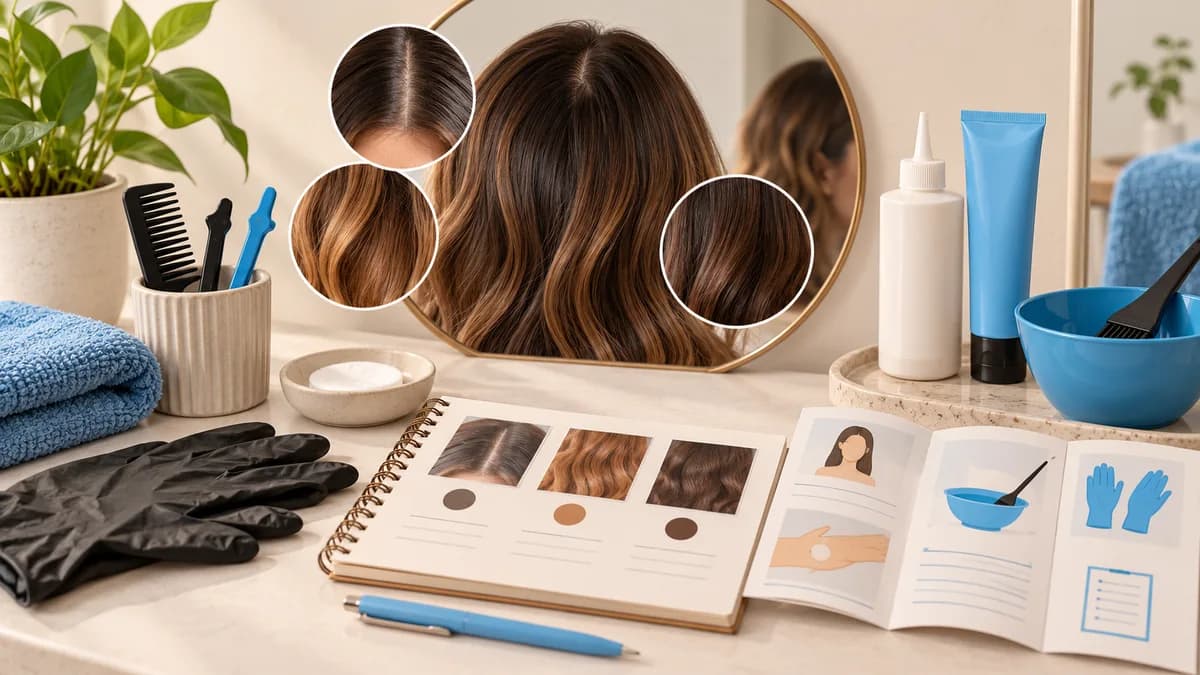
Do not extend processing time or mix products in an attempt to make color last longer. FDA advises using the recommended timing, wearing gloves and carrying out the instructed skin patch test each time. Reusing a familiar shade does not remove the need for those precautions. Keep the instructions with your shade notes so a future touch-up starts from the correct information.
Sources: FDA: hair dye safety
Common questions
Will demi-permanent dye completely wash out?
Do not assume it will return every head of hair exactly to its starting shade. Previous lightening and the chosen color affect persistence. Gradual fading is a more useful expectation than a guaranteed complete reset on a certain wash.
Should I recolor as soon as the advertised wash count is reached?
No. The wash count is not an application schedule. Check how the color looks, which areas need attention and the manufacturer instructions. Get professional advice for uneven color or a corrective change.
Does washing less often make demi color last longer?
Fewer shampoo sessions take longer to reach a stated wash count, but this does not guarantee the same appearance over that entire period. Choose a washing routine that suits your scalp and follow color-care guidance.
PUT IT INTO PRACTICE
Compare your options
Compare five formulas by gray blending, application format and the supplies you need before choosing a shade.
Compare demi-permanent hair colorsSources and editorial approach
ChooseRight researched the sources below to explain the topic and its practical trade-offs. Examples are illustrations, not results from our own product testing. Sources checked October 21, 2026. Artwork is AI-generated for explanation and does not document hands-on testing.