

START HERE
The short answer
Identify whether the mask is rinse-out or leave-in, prepare your hair as directed, distribute the stated amount in the specified areas, and follow its timing and finishing instructions. Do not turn a rinse-out mask into an overnight treatment.
- Read preparation, timing and rinsing directions together.
- Use the amount and placement appropriate to the actual formula.
- Do not assume heat or extra time improves results.
Identify the treatment before washing
Look for four details: whether to shampoo first, whether to condition, the condition of the hair at application, and whether to rinse afterward. A short checklist beside the shower can prevent confusion when your hands are wet and the print on the container is small.
A multi-use label needs an extra decision. Garnier's Hair Food range includes products with different conditioner, mask and leave-in uses. Choose the intended mode first and follow its instructions; do not combine all the modes into one application.

Sources: Garnier: Multi-use Hair Food formats
Prepare the hair as the label requests
Some rinse-out masks follow shampoo on damp hair. Other treatments specify towel-drying and omitting conditioner beforehand. K18 is a clear example of the second approach, so copying the preparation for a conventional rich mask would be inappropriate for it.
When removing excess water, handle the hair gently. The AAD recommends absorbing moisture with a towel or T-shirt rather than rough rubbing. Set out the product and any permitted detangling tool before you begin so you do not rush through the directions.
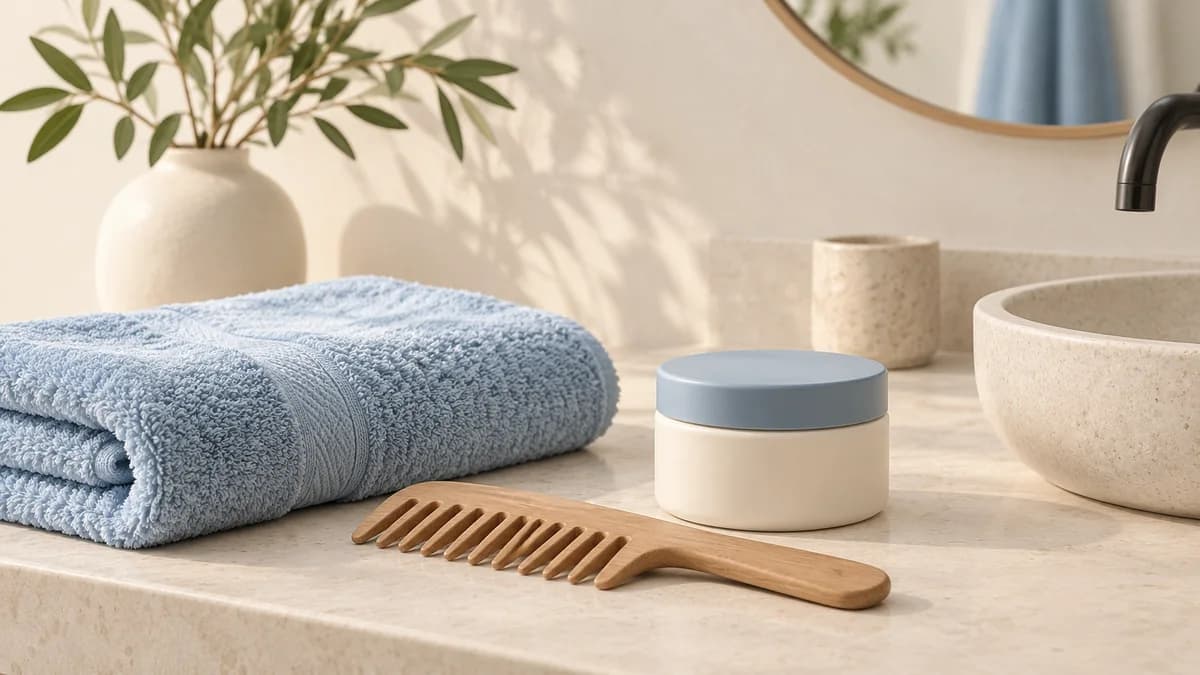
Sources: K18: Leave-in mask application instructions; American Academy of Dermatology: Healthy hair care
Distribute the product where it belongs
Follow the stated application area. L'Oréal's general rinse-out guidance concentrates on mid-lengths and ends unless the product says otherwise. A scalp treatment is a different use, so do not assume every mask should be massaged into the roots.
Use the label's starting amount and adapt only within its guidance for length and density. Sectioning can help you see where product has been distributed. Avoid equating a thicker visible coating with a better result; the goal is even application of the intended amount.

Keep the product-specific timing
Set a timer for the actual formula. K18 instructs a four-minute wait before styling and no rinse; other masks use a timed rinse-out process. These are examples of differing systems, not a general minimum or maximum for the whole category.
Do not add heat, cover the hair overnight or extend the session because a video suggests doing so. Such changes are separate uses that require the maker's permission. Keep the packaging available until the routine is familiar, especially if you alternate between treatments.
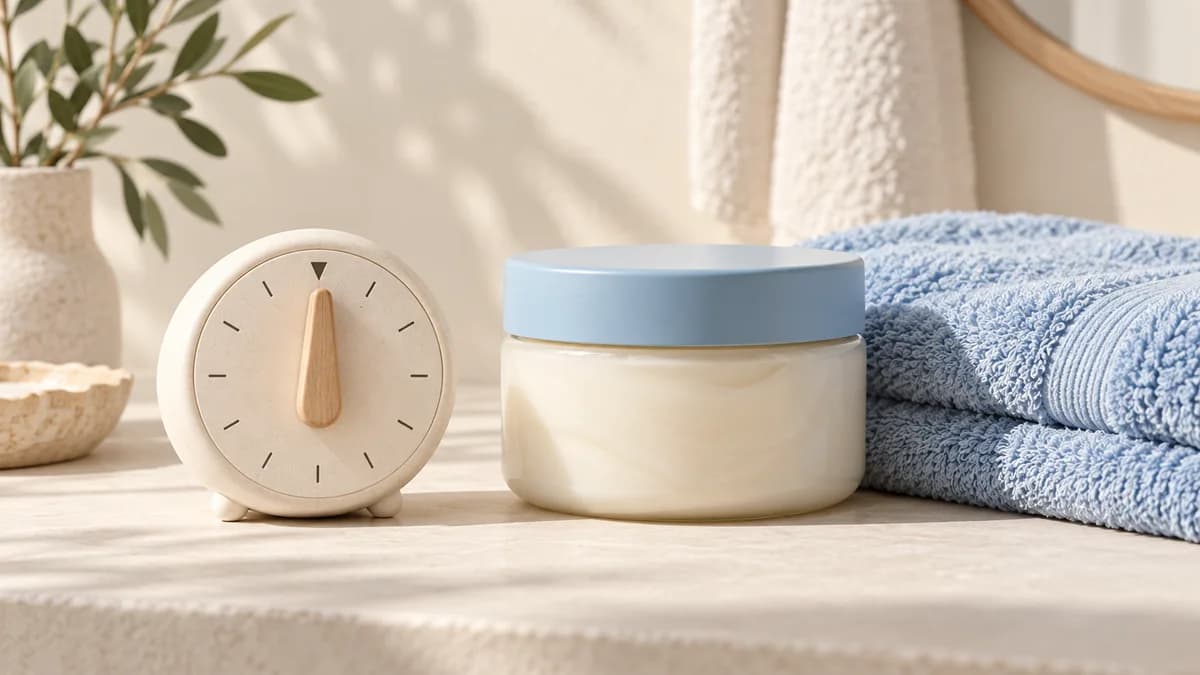
Sources: K18: Leave-in mask application instructions; L'Oréal Paris: How to use a hair mask
Finish correctly and assess after drying
Rinse a rinse-out mask as directed, while leaving a designated leave-in formula in place. Follow any instructions for subsequent conditioner or styling products. Check your usual heat-protection routine separately rather than assuming that every conditioning treatment is also a heat protectant.
After your hair dries, notice manageability, softness and any unwanted heaviness. Record what you used so you can make one sensible adjustment next time. Frequency is also formula-specific; a weekly habit is not a universal instruction, and irritation is a reason to stop rather than increase use.

| Before application | Before finishing |
|---|---|
| Confirm shampoo and conditioner order | Confirm whether to rinse |
| Check damp or towel-dried preparation | Wait the stated time |
| Read placement and amount | Check styling-product instructions |
| Check intended frequency | Note the result after drying |
Sources: L'Oréal Paris: How to use a hair mask; American Academy of Dermatology: Healthy hair care; Garnier: Multi-use Hair Food formats
Common questions
Can I sleep in a rinse-out mask?
Only if the manufacturer explicitly permits overnight use. A longer session is not automatically a more effective one.
Should I apply a mask to dry hair?
Only when its directions specify that preparation. Many formulas call for damp or towel-dried hair, and these instructions are not interchangeable.
Should I use conditioner afterward?
Follow the mask's directions. Some treatments replace or exclude a conditioning step; others fit into a different sequence.
Sources and editorial approach
ChooseRight researched the sources below to explain the topic and its practical trade-offs. Examples are illustrations, not results from our own product testing. Sources checked October 30, 2026. Artwork is AI-generated for explanation and does not document hands-on testing.