
START HERE
The short answer
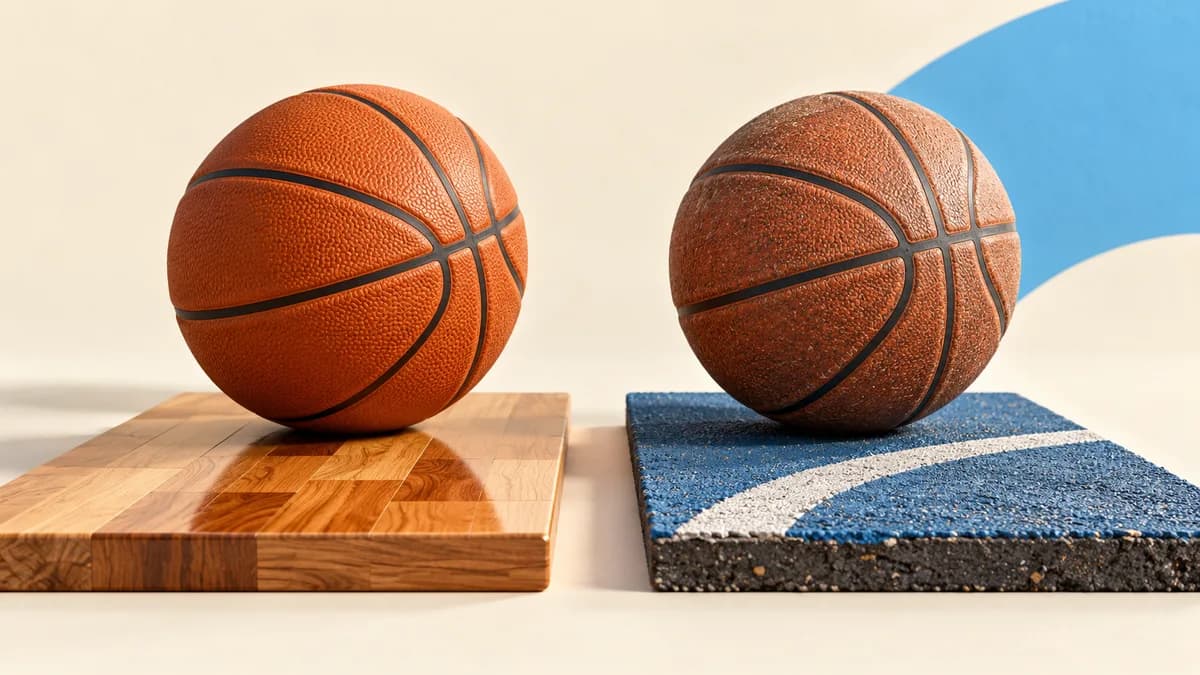
Choose an outdoor-rated ball for rough courts and an indoor model for dedicated hardwood use. For mixed use, look for an explicit indoor/outdoor rating. Then match the required size; the right surface rating does not compensate for the wrong ball size.
- Keep indoor-only leather balls off abrasive outdoor courts.
- Composite covers vary; check the model’s indoor or indoor/outdoor label.
- Confirm league size and the ball’s stated inflation guidance before judging its feel.
Start with the court you use most
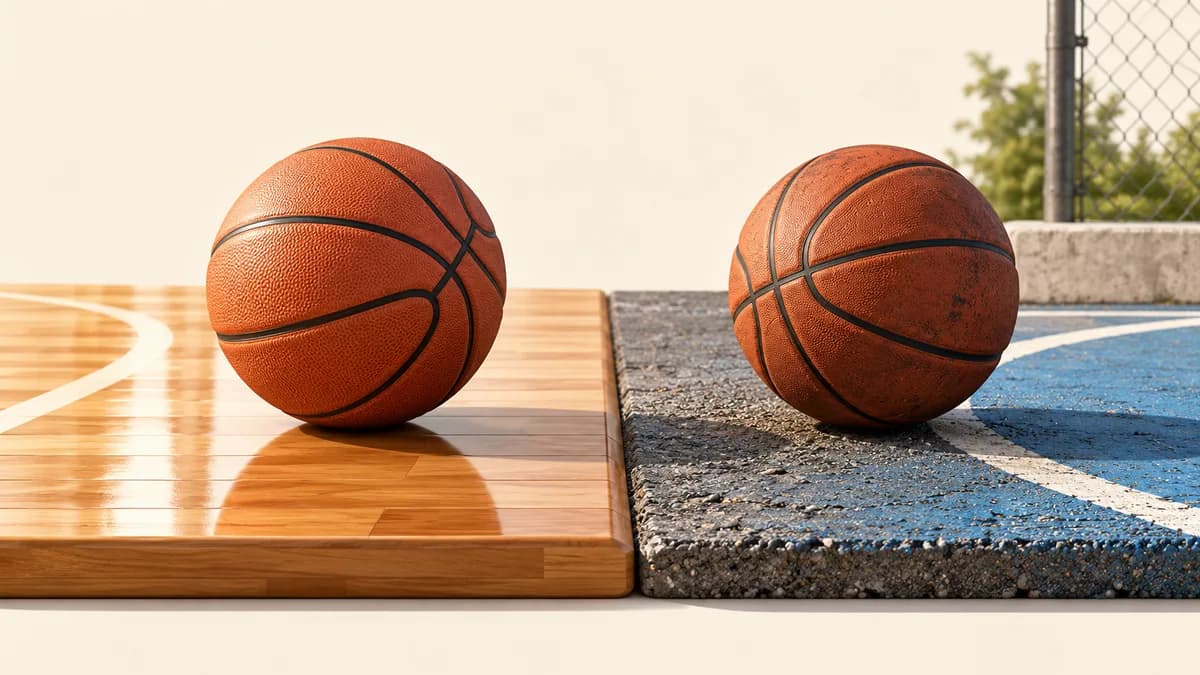
Outdoor courts expose the cover to abrasive surfaces and different conditions from a clean gym floor. A ball selected primarily for indoor feel is not automatically built for that wear. Both Wilson and Spalding distinguish court suitability when explaining their basketball ranges.
Write down your actual routine before shopping: mostly school gym, mostly driveway, or regular sessions on both. If outdoor play dominates, prioritize an outdoor rating even if an indoor model looks more prestigious. For occasional indoor sessions, a suitable mixed-use ball may be a more practical purchase than one you must protect from your usual court.
Sources: Wilson: How to choose a basketball; Spalding: Basketball buying guide
Read the cover rating, not just the material name
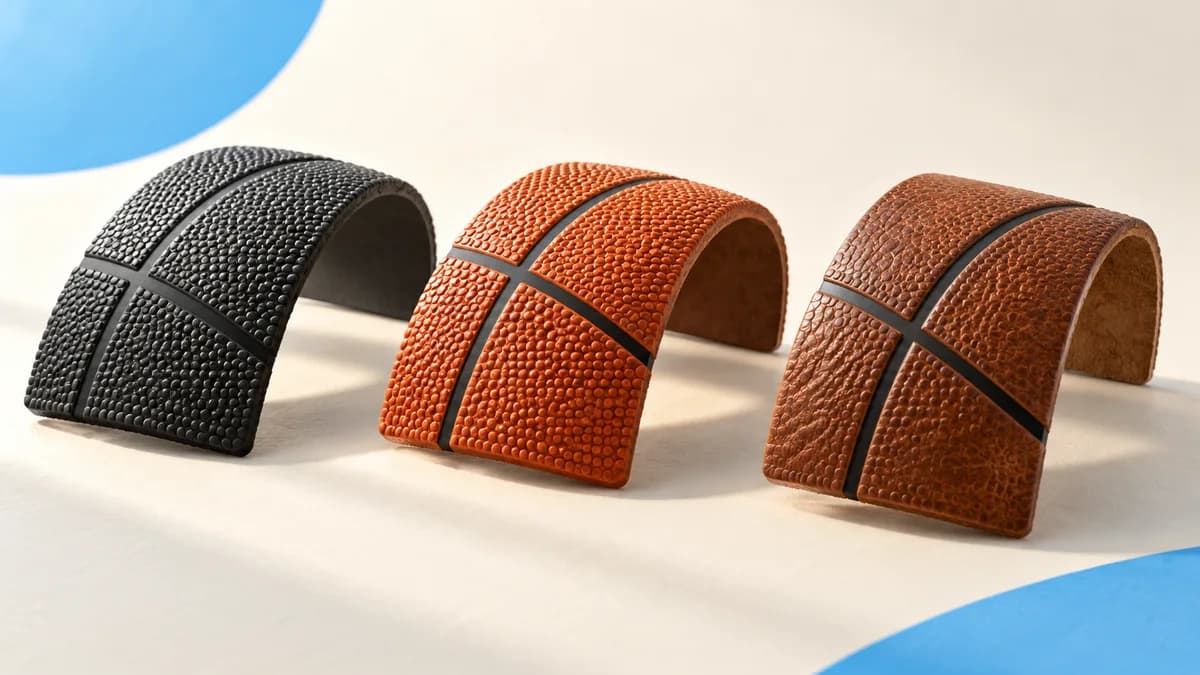
Genuine leather basketballs are generally intended for indoor play and can need a break-in period. Rubber covers are common for outdoor use. Composite covers span different constructions and intended surfaces, so the word composite does not settle the indoor/outdoor question.
Find the usage label on the ball or the official product page. For example, Spalding explicitly describes its React TF-250 as an all-surface composite model. That statement applies to that product, not every similarly named or similarly priced composite basketball.
| Cover or label | What it tells you | What to verify |
|---|---|---|
| Genuine leather | Usually an indoor choice | Exact court restriction and break-in guidance. |
| Rubber | Common outdoor construction | Size and outdoor-use rating. |
| Composite | A broad material category | Indoor-only or explicit indoor/outdoor approval. |
| Indoor/outdoor | Designed for mixed court use | The precise model and size offered. |
Sources: Spalding: Basketball buying guide; Spalding: React TF-250 all-surface basketball
Confirm the required size before choosing a model
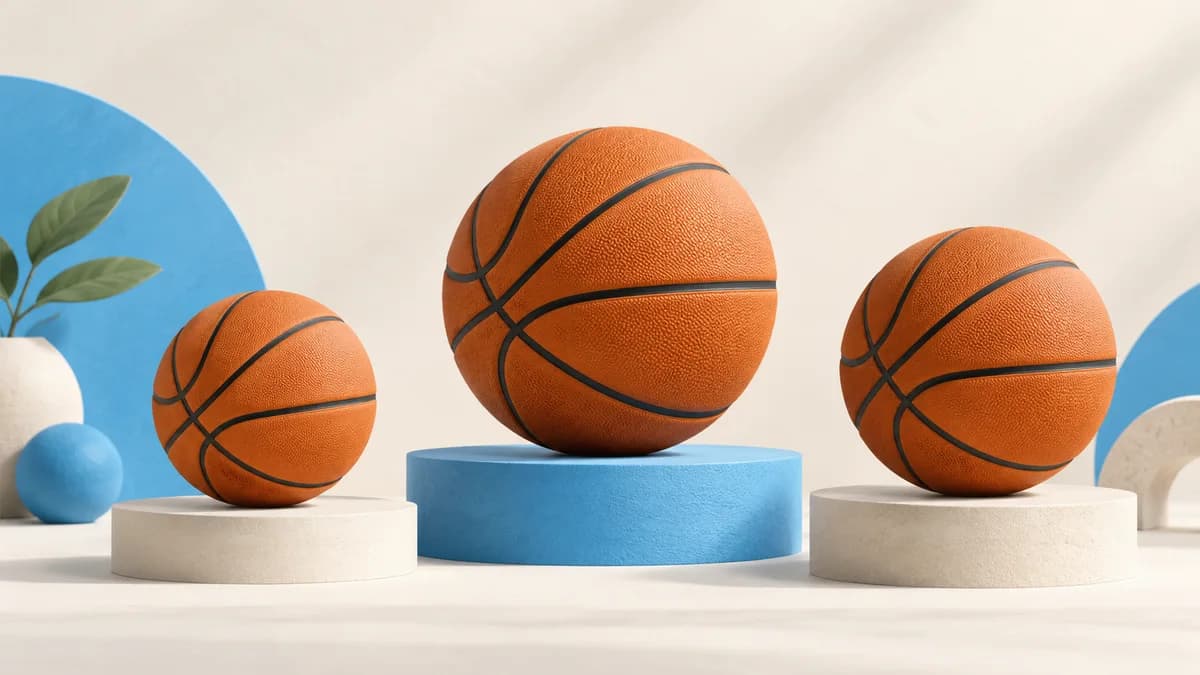
Common basketball sizes include size 7 at 29.5 inches in circumference, size 6 at 28.5 inches and size 5 around 27.5 inches. Those numbers identify different balls, not different quality levels.
Use the requirements of your league, coach or playing group instead of relying on a universal age chart. Two people buying for the same age can face different competition rules. Check the selected size again in the cart, since a product listing may group several sizes or cover versions under one title.
Sources: Spalding: Basketball buying guide; Wilson: How to choose a basketball
Judge grip and bounce under comparable conditions
Cover texture and construction affect how a ball feels in the hand. A new leather ball can feel different before it has been broken in through normal play. Spalding advises against trying to speed that process with products or machines.
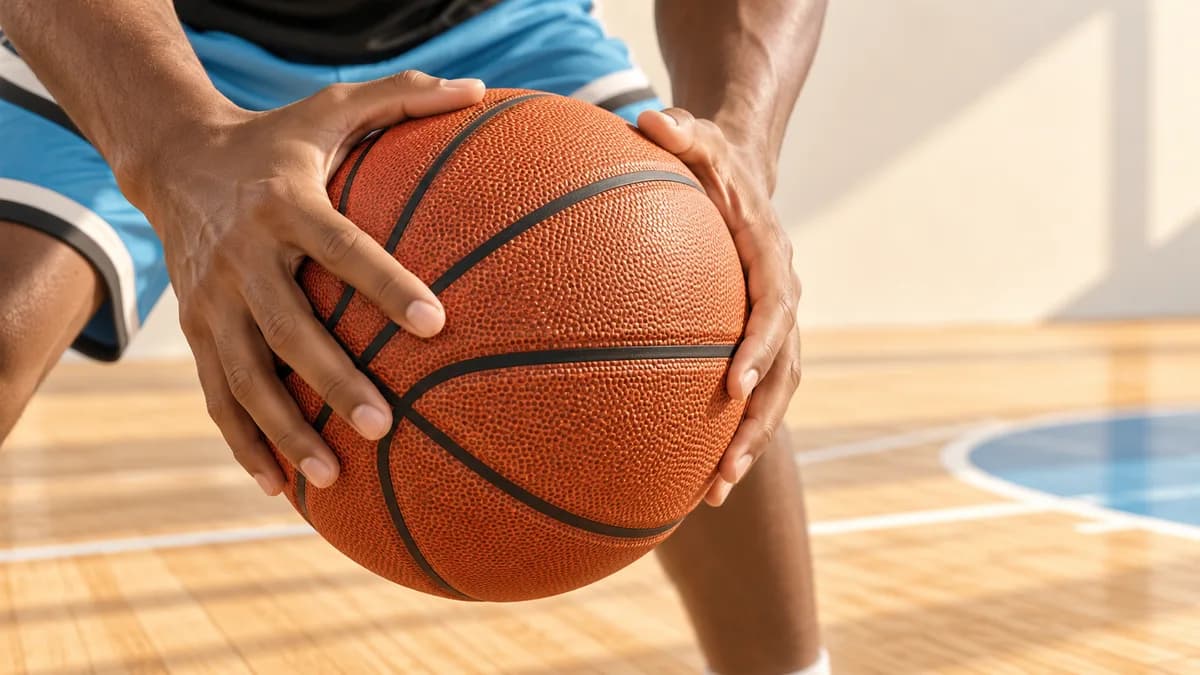
Before deciding that a ball feels wrong, confirm its model-specific inflation instructions and use an appropriate court. Comparing one underinflated ball outdoors with another correctly inflated ball in a gym does not isolate the cover difference. If possible, handle the same model and size you plan to buy; descriptions such as premium grip cannot tell you what your hands will prefer.
Sources: Spalding: Product FAQs; Spalding: React TF-250 all-surface basketball
Decide whether one ball or two fits your routine
One indoor/outdoor ball is a straightforward choice for someone who switches surfaces and wants less equipment to manage. It offers a stated mixed-use purpose, although that does not promise the same feel as a dedicated indoor model.
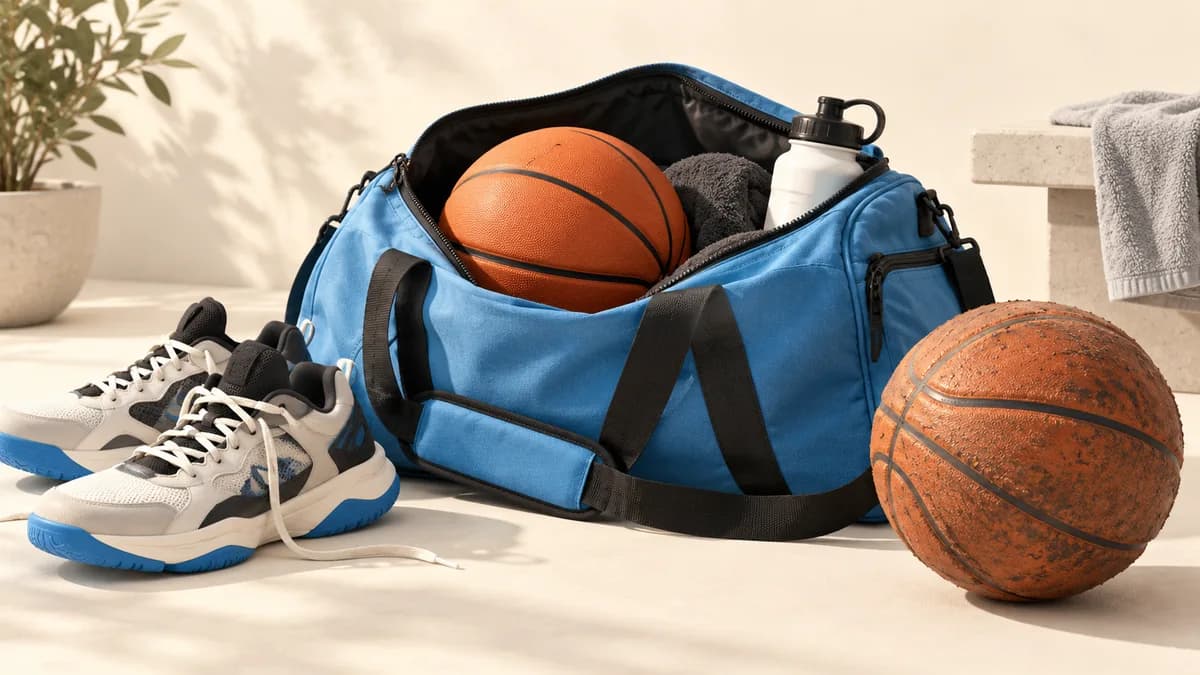
Two balls make more sense when indoor play is important enough to keep a separate gym ball. Treat that as a use decision rather than an automatic upgrade. Choose the ball you can use on your normal court, in the correct size, without needing to ignore the manufacturer’s surface restrictions.
- Mostly asphalt: start with an outdoor-rated model.
- Mostly gym play: compare indoor models in the required size.
- Frequent mixed use: choose an explicit indoor/outdoor model or keep separate balls.
Sources: Wilson: How to choose a basketball; Spalding: Basketball buying guide
Common questions
Can I use an indoor basketball outside?
Avoid using an indoor-only ball on abrasive outdoor courts. Choose a model explicitly rated for outdoor or indoor/outdoor use instead.
Are all composite basketballs indoor/outdoor?
No. Composite describes a broad cover category. Read the exact model’s surface rating.
Does a more expensive ball have a better bounce?
Price alone does not establish the right result for your court. Correct size, stated inflation guidance, cover condition and intended surface all matter.
PUT IT INTO PRACTICE
Compare your options
Compare basketball options after deciding on your court rating and size.
Compare basketballsSources and editorial approach
ChooseRight researched the sources below to explain the topic and its practical trade-offs. Examples are illustrations, not results from our own product testing. Sources checked October 23, 2026. Artwork is AI-generated for explanation and does not document hands-on testing.