
Finding a curry powder that works for every dish can be harder than it looks. The flavors, spice level, and aroma all play a big part in bringing meals to life, so it is normal to feel a bit lost with so many choices. Different brands taste completely different. No single blend suits every kitchen. Here are five curry powders we think stand out, chosen because so many home cooks actually rave about them:
Best Curry Powder Picks for July 2026 (By User Reviews)
- You'll LOVE our Mild Curry Powder by Rani Brand Here's Why:
- Now KOSHER! No Chilies or Peppers, No SALT, No MSG, 100% Natural (No Preservatives), Gluten Friendly, Vegan, NON-GMO…No non-sense!
- Great Flavor comes from an Authentic 10-Spice Curry Blend (unlike many others who use only 5-6 spices to keep costs down, not to mention flavor!) Packed in a no barrier Plastic Jar, let us tell you...
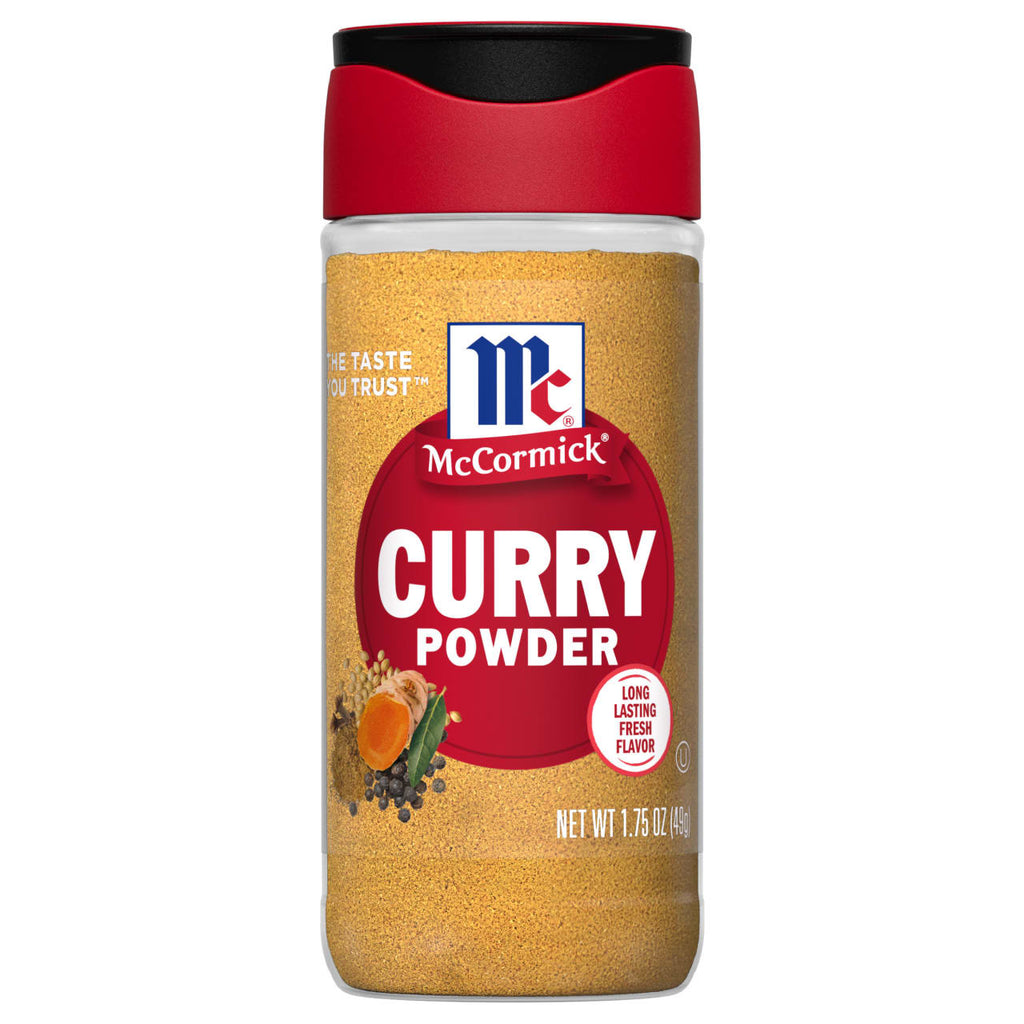
- McCormick Curry Powder contains 11 herbs & spices, perfectly blended
- Blends earthy depth with sweet spices for bold Indian flavor and golden color
- No need to buy spices separately and measure out your own mix
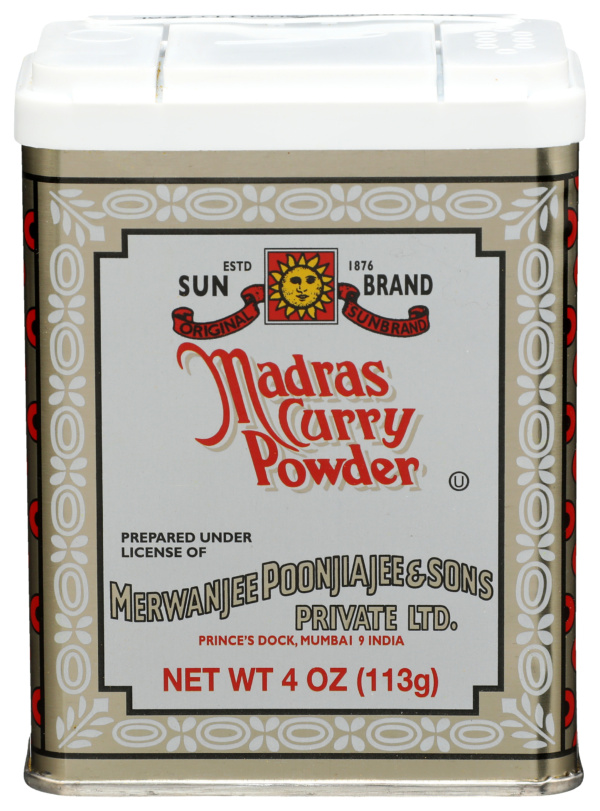
- Spice up your favorite dishes with a dash of Sun Brand Madras Curry Powder.
- Our traditional spice blend adds a touch of heat and color to any meal with its combination of coriander, chilies, cumin, and turmeric.
- Sun Brand offers spices that are naturally free from fat and cholesterol.
- You'll LOVE our Mild Curry Powder by Rani Brand Here's Why:
- Now KOSHER! No Chilies or Peppers, No SALT, No MSG, 100% Natural (No Preservatives), Gluten Friendly, Vegan, NON-GMO…No non-sense!
- Great Flavor comes from an Authentic 10-Spice Curry Blend (unlike many others who use only 5-6 spices to keep costs down, not to mention flavor!) Packed in a no barrier Plastic Jar, let us tell you...
- Curry Powder - This vibrant blend of organic spices, including turmeric, cumin, and coriander, adds a rich, earthy flavor with a touch of warmth to any dish.
- Best uses - Perfect for curries, soups, roasted vegetables, and marinades, this versatile spice mix enhances your meals with a complex, aromatic flavor profile.
- Grown for something greater - Simply Organic works directly with sourcing partners whenever possible, paying fair prices directly to them, without a middleman, to maximize the grower's return.
What Makes a Good Curry Powder?
Trading any old blend for a quality curry powder can change the final flavor of even the simplest meal. The right one is more than just “something spicy.” It is about balance, freshness, and authenticity. But what is most important, actually? Is it the heat? Sweetness? Fragrance?
Great curry powder has a punchy aroma right out of the jar, not a stale or flat scent. Freshness stays noticeable long after cooking.
Curry powders are not all created the same. Some taste delicate, others have bold fiery kicks. What stands out is how the spices come together. With a well balanced option, no single taste overpowers the others. If one flavor jumps too far ahead, the whole dish can feel lopsided.
Check the label and focus on:
- Number of spices (the more complex, the better the result)
- No added fillers or preservatives
- Source of origin (some imported blends have a unique edge)
- Color (should be bold and vibrant, not dull)
- Ingredients listed in order of dominance
Some people judge by color alone, but this does not always guarantee taste. A golden or reddish hue hints at the use of turmeric, chili or paprika. But if color looks faded, it probably means the spices are old or overprocessed.
The Difference Between Curry Powder Blends
Curry powder has no single recipe. It varies by region and even by brand. British-style versions taste mild, often with sweetness up front from fenugreek and cinnamon. Indian blends may bring heat and tang.
| Type | Main Flavors | Best Use |
| Mild | Turmeric, Coriander, Fenugreek | Egg salads, chicken salads, slow-cooked stews |
| Medium | Cumin, Black Pepper, Ginger | Vegetables, lentils, curries |
| Hot | Red Chili, Mustard Seed | Beef, lamb, spicy soups |
What to Look for When Choosing Curry Powder
Do not focus only on the word “curry” or the fancy package. Blends usually contain turmeric, coriander, cumin, fenugreek, black pepper, ginger, and chili. Those that stick with just three or four spices can taste bland.
Always check the ingredients list. Steer clear of artificial colors or anti-caking agents. Sometimes manufacturers stretch out blends using wheat flour or salt. You want pure spice, not fillers taking up space.
Heat Level
This is where things get personal. Some want a gentle warmth; others want to feel that burn. Most “medium” curry powders are still mild compared to Indian chili blends. If you are not sure what level is best, pick a mild or medium, and add extra chili powder later if needed.
Freshness and Aroma
Many brands print “best by” dates. These are often generous. Open a new jar: If the scent feels dull or weak, the flavor will not shine. Fresh spices often leave a little tingle in your nose (in a pleasant way).
If the blend smells powerful and warms up your senses before you even taste it, it is likely to create a richer meal. Avoid old stock that has faded color or a stale scent.
How to Tell if a Curry Powder is Above Average
Salt and sugar are sometimes packed into cheaper curry powders. These should never be the first ingredients. A good blend smells fresh, toasty, and just a little sweet or citrusy. It should feel dry and clumpy (from real oil in the spices), not powdery like chalk. Notice the way it clings to your skin. Sticky spices usually mean good essential oils are still inside.
Price is not the only sign of quality, but it says a lot. Rock bottom prices often use leftover or ground-up waste. Middle or premium brands invest more in sourcing and keep their blends fresher by shipping in smaller batches. Trust your nose and personal taste more than marketing buzzwords.
Common Mistakes When Picking Curry Powder
It is easy to grab the first jar with bold colors or a big “hot” label, but that backfires sometimes. Overly salty or sweet blends can drown out other flavors. Too much turmeric creates a muddy, metallic taste. If a curry powder is mostly turmeric, it can stain hands and surfaces for days, but actually taste weaker than expected.
Password for the perfect pick: balance. Avoid single-note blends. Overly complex ingredient lists might sound impressive but sometimes the flavor muddles together.
Comparing Curry Powders: What Actually Matters
Mild Blends
Spicy Blends
How-To Block: Choosing and Using Curry Powder
Pros and Cons Table: Why Curry Powders Differ
Tips for Cooking with Curry Powder
The best curries start with the right technique. Many just sprinkle curry powder into boiling sauce. This works, but blooming the spices in oil makes a huge difference. This is called “tempering.” It actually wakes up the essential oils in the spices, so they release more flavor.
Pour a small amount of neutral oil into the pan, add the curry powder, and stir until fragrant. Then add your liquids and vegetables or meat. You can notice an instant jump in aroma this way.
An easy trap: using too much at first. Start small, taste, then add more if you want. Some like to add a pinch of extra cumin, coriander, or chili to tweak store-bought blends and make the flavor a little more personal.
Buyer’s Guide for the Best Curry Powder
The final decision comes down to your own taste, how you plan to use it, and personal tolerances for things like heat, salt, and bitterness. There are a few more things to keep in mind if you want to avoid disappointment:
- Look for labeling/free-from claims if you want gluten-free, salt free, or organic
- Choose small jars if you use curry powder rarely, to avoid staleness
- Check for ‘manufactured in’ or ‘packed in’ country of origin for authenticity
- Buy local when you can, sometimes the freshest batches come from regional spice companies
- Do not be afraid to keep two or three blends on hand for different dishes
One more thing: sometimes the most impressive flavor can come from blends you might not expect. Try new things. Swap the jar you use for chicken in a vegetable curry and see what happens. Not all rules apply the same way for all cuisines. This personal touch can create some real surprises at the table.
FAQ About Best Curry Powder
What is curry powder, and how is it different from garam masala?
Curry powder usually combines turmeric, cumin, coriander, and chili with several other spices. Garam masala is an Indian blend but uses less (or no) turmeric and often focuses on warming spices like cloves, cinnamon, and cardamom. The taste and aroma are quite different.
How do I know if my curry powder is fresh?
Fresh curry powder smells strong , sometimes sharp, a little sweet, or citrusy. Faded color or no scent often means it is past its best. If you have doubts, toast a spoonful in oil; if your kitchen smells amazing, it is good to use.
Does the best curry powder need to be spicy?
Not really! Heat is personal. Many of the top curry powders are not actually spicy. They focus on aroma, color, and gentle warmth. Spicy versions exist, but mild blends remain a favorite for many recipes.
Can the same curry powder work for all types of dishes?
Technically, yes. But the best blends for chicken may not bring out the depth required in beef or lentil recipes. Many find it worth keeping both a mild and a hot version in the pantry. The right fit makes a difference.
How do you keep curry powder fresh for longer?
Store it tightly sealed away from light and heat. Do not leave the lid open or spoon damp utensils into the jar. Some like transferring to a glass spice jar with a good seal.
What do you do if your curry powder is too hot or strong?
Add coconut milk or yogurt to mellow the heat. Sometimes a pinch of sugar or a splash of lemon juice rounds out the flavor. Taste as you go; you can always add more, but you cannot take it away once it is in.
Which blend will work for you comes down to your taste, your usual recipes, and how much experimentation you enjoy in the kitchen. If in doubt, start soft and simple, and step up to bold blends once you know your favorite flavors.
Last update on 2026-07-10 / Affiliate links / Images from Amazon Product Advertising API

