
START HERE
The short answer
Reheat safely stored pasta in a covered microwave-safe dish or suitable pan, adding a little water or sauce if needed. Stir for even heating and check several places with a food thermometer for 165°F (74°C).
- Check storage history before reheating.
- Stir or rearrange food to reduce cold spots.
- Use temperature, not one universal cooking time, as the safety check.
Check the leftover before choosing a method
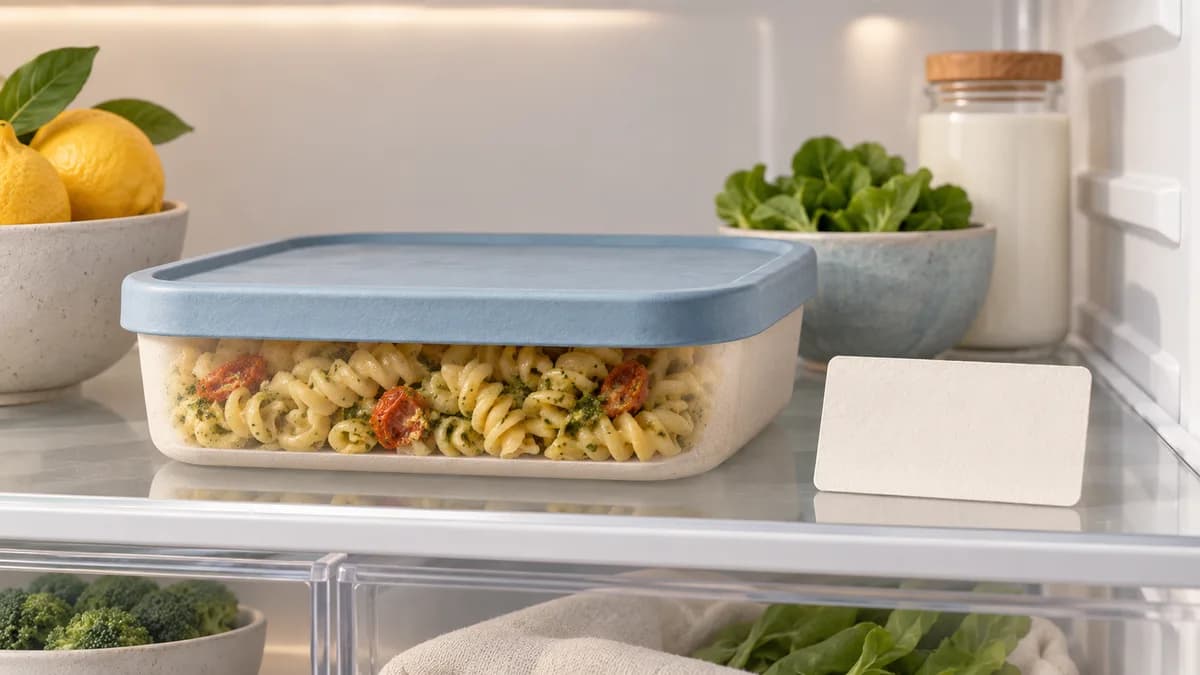
FDA guidance calls for refrigerating perishable foods within two hours, or within one hour when the surrounding temperature is above 90°F. Keep the refrigerator at 40°F or below. Use refrigerated leftovers within three to four days, or freeze them within that window; follow any shorter product-specific limit. Pasta left out overnight should not be rescued by a longer microwave cycle.
Think through the full journey: dinner service, cooling, transport and storage. If you cannot establish that the food was handled properly, discard it. Smell and appearance do not provide a dependable test for harmful bacteria. Keep this decision separate from whether the noodles still look appetizing.
Sources: FDA: safe food handling; USDA: leftover storage and freezing within three to four days
Use a covered dish and stir
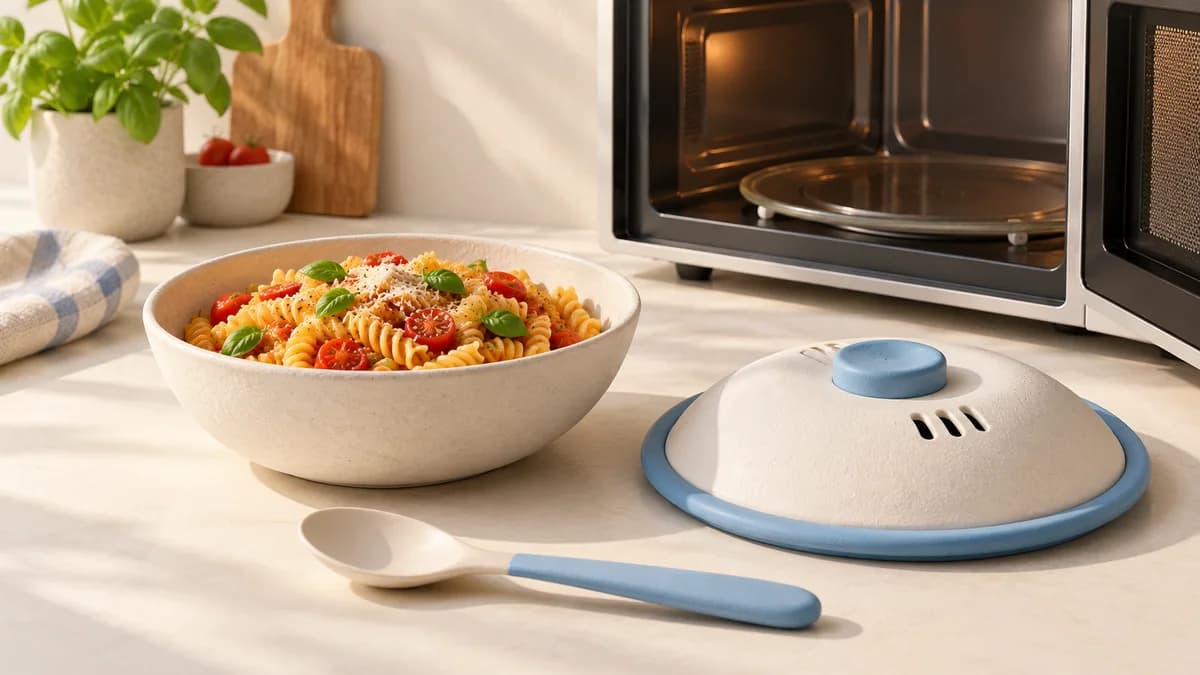
For a single portion, place the pasta in a microwave-safe dish and spread it evenly. Add a small amount of water or compatible sauce if it looks dry; this is a texture adjustment, so start modestly instead of flooding the meal.
Use a microwave-safe cover according to its instructions, allowing steam to vent safely. Stir or rotate during heating and allow the standing time called for by the appliance or food instructions. Open the cover away from your face because trapped steam can burn.
Sources: USDA FSIS: safe reheating methods; USDA FSIS: reheating leftovers safely
Use a pan when you want more control
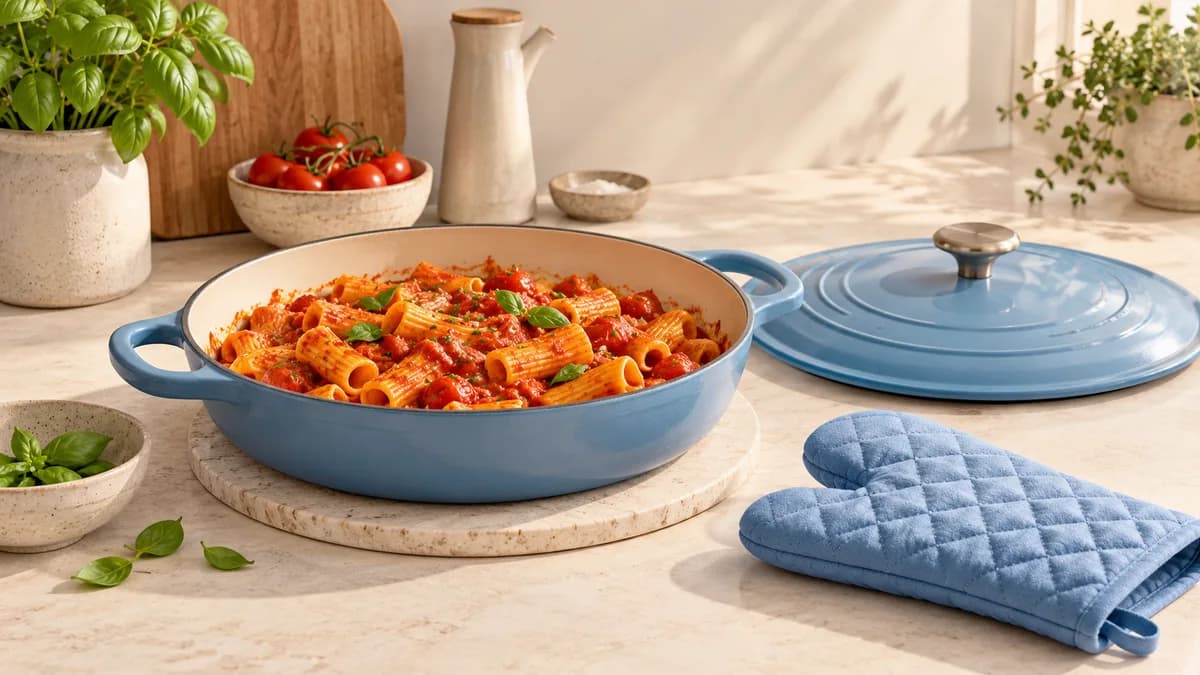
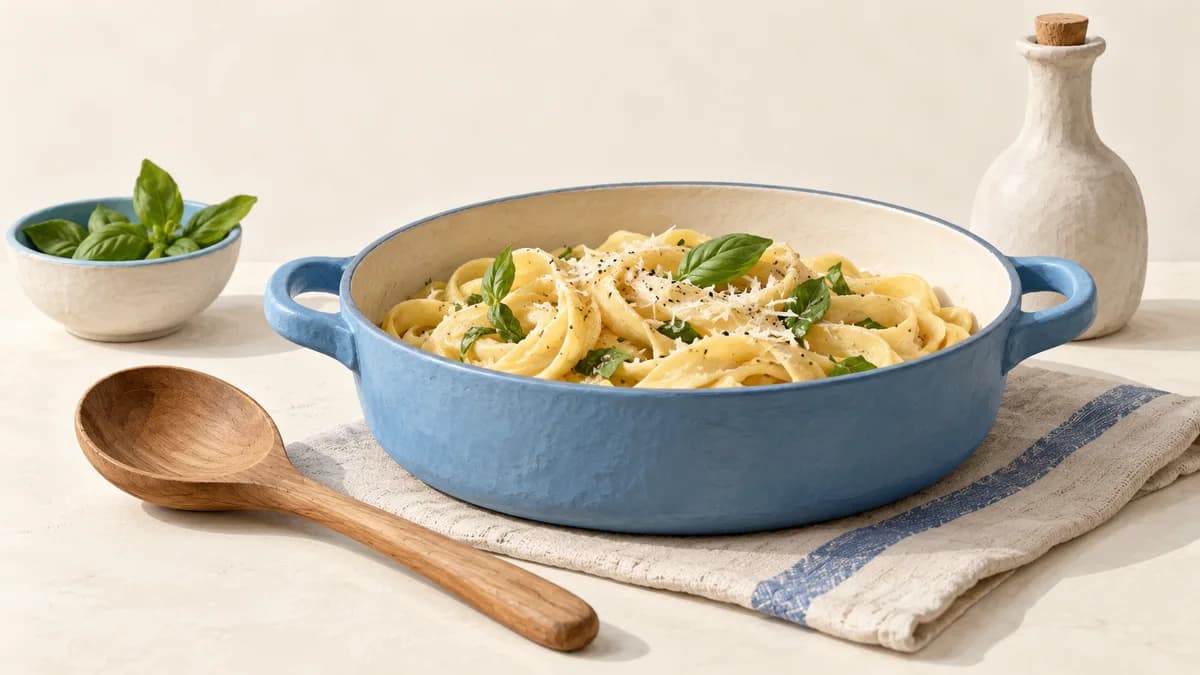
A pan makes it easier to stir pasta and judge whether a sauce needs a little more liquid. Add the leftover and a small amount of compatible liquid, then heat while stirring and separating clumps. Use a pan large enough to move the food without spilling.
There is no single burner setting or minute count that fits every portion, sauce and stove. A shallow serving and a dense chilled mound heat differently. Adjust the heat to avoid scorching, and confirm the food reaches 165°F throughout rather than stopping when the sauce at the edge bubbles.
Sources: USDA FSIS: safe reheating methods
Reserve the oven for larger baked portions
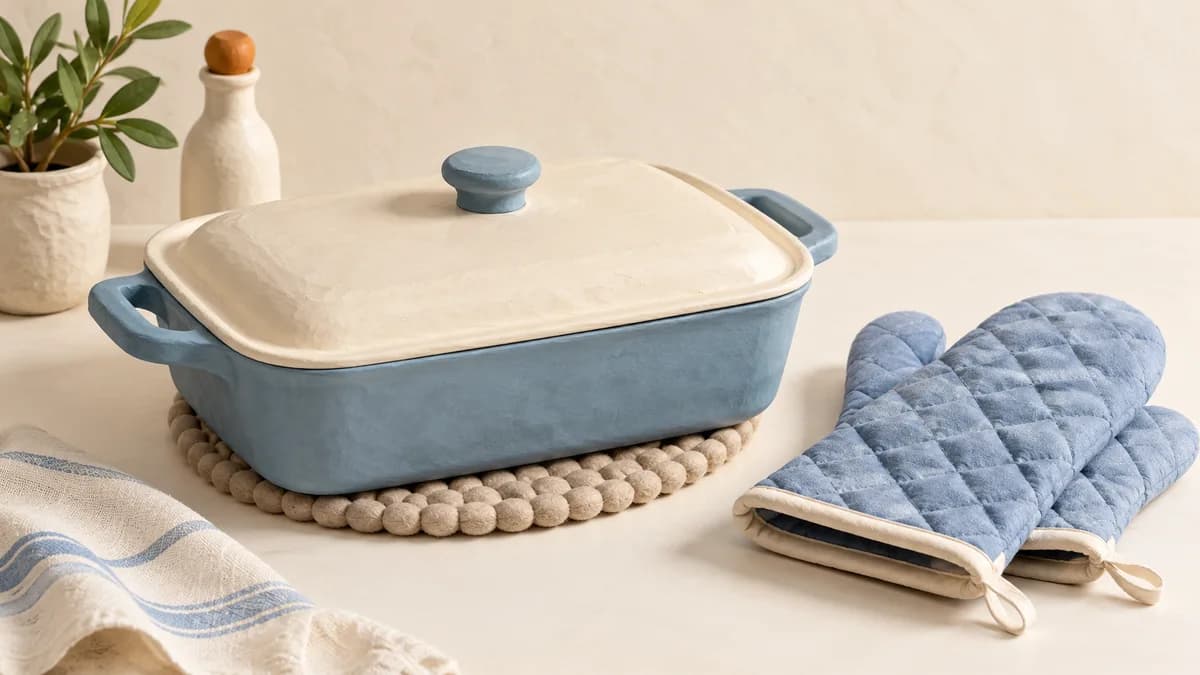
For baked pasta, use an oven-safe dish and a suitable cover to limit drying. USDA advises an oven set no lower than 325°F when reheating leftovers. A large cold casserole needs more time than a shallow single serving, so check the center rather than judging the top.
If you uncover the dish to change the surface texture, treat that as a finishing preference, not the safety test. Keep raw-food utensils separate from the reheated meal, and use a clean thermometer to check more than one location.
| Situation | Method to consider |
|---|---|
| One small serving | Covered microwave-safe dish |
| Pasta that needs sauce adjustment | Pan with frequent stirring |
| Larger baked pasta portion | Covered oven-safe dish |
| Any method | Verify 165°F throughout |
Sources: USDA FSIS: safe reheating methods; USDA FSIS: reheating leftovers safely
Check the center and serve promptly
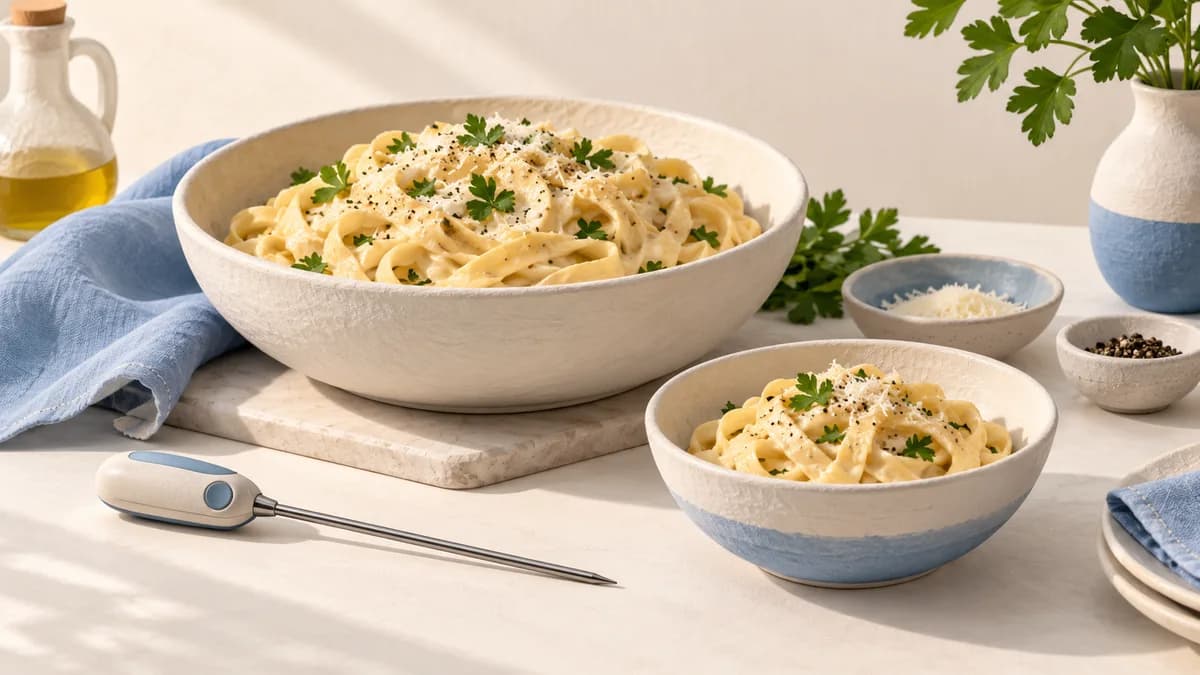
USDA recommends checking reheated leftovers in several places because heating can be uneven. Insert the thermometer into the food rather than touching only the hot dish. If part of the portion is still below the target, continue heating, stir where practical and check again.
Reheat the amount you plan to eat so the rest can stay refrigerated. Do not use a slow cooker to bring cold leftovers up to temperature; USDA warns that this can take too long through temperatures where bacteria grow readily. Serve once the food is properly heated.
Sources: USDA FSIS: reheating leftovers safely; USDA FSIS: safe reheating methods
Common questions
How many minutes should I microwave pasta?
It depends on portion size, starting temperature, dish and microwave power. Stir, follow appliance instructions and check for 165°F throughout instead of relying on a fixed minute count.
Can I reheat pasta that stayed on the counter overnight?
No. Discard it. Reheating is not a substitute for safe cooling and refrigerated storage.
Should I add oil or water?
For moisture, start with a small amount of water or a sauce-compatible liquid. Added oil changes the dish but does not replace the need to heat it safely.
Sources and editorial approach
ChooseRight researched the sources below to explain the topic and its practical trade-offs. Examples are illustrations, not results from our own product testing. Sources checked October 30, 2026. Artwork is AI-generated for explanation and does not document hands-on testing.