
START HERE
The short answer
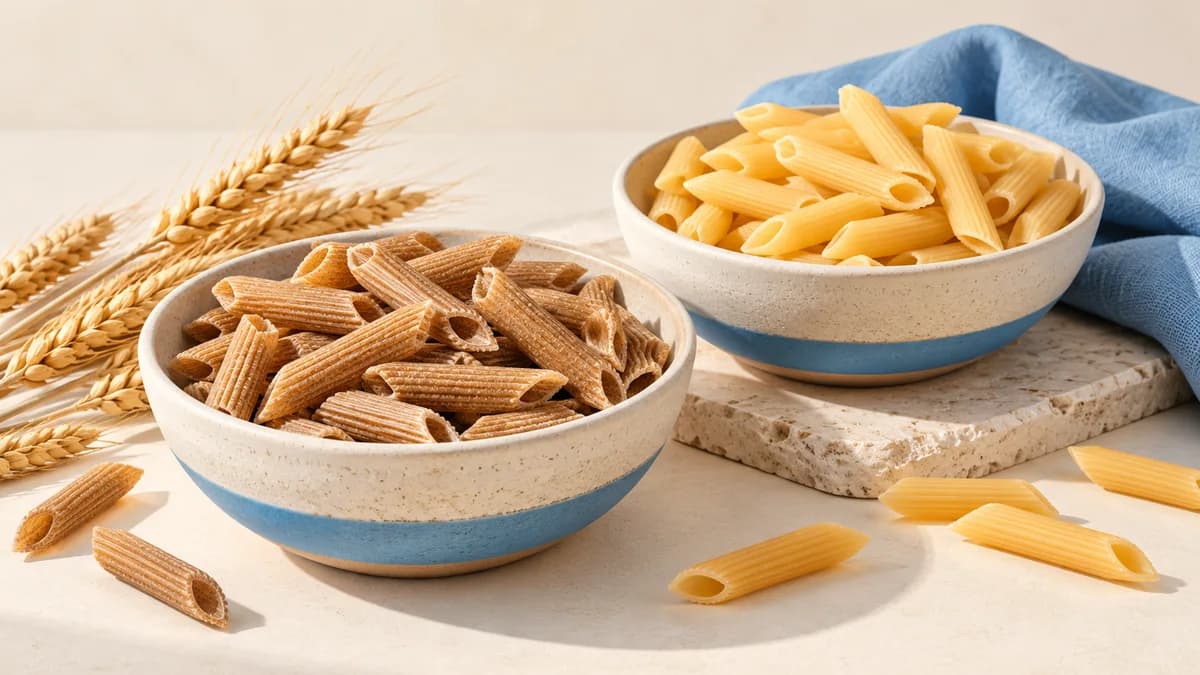
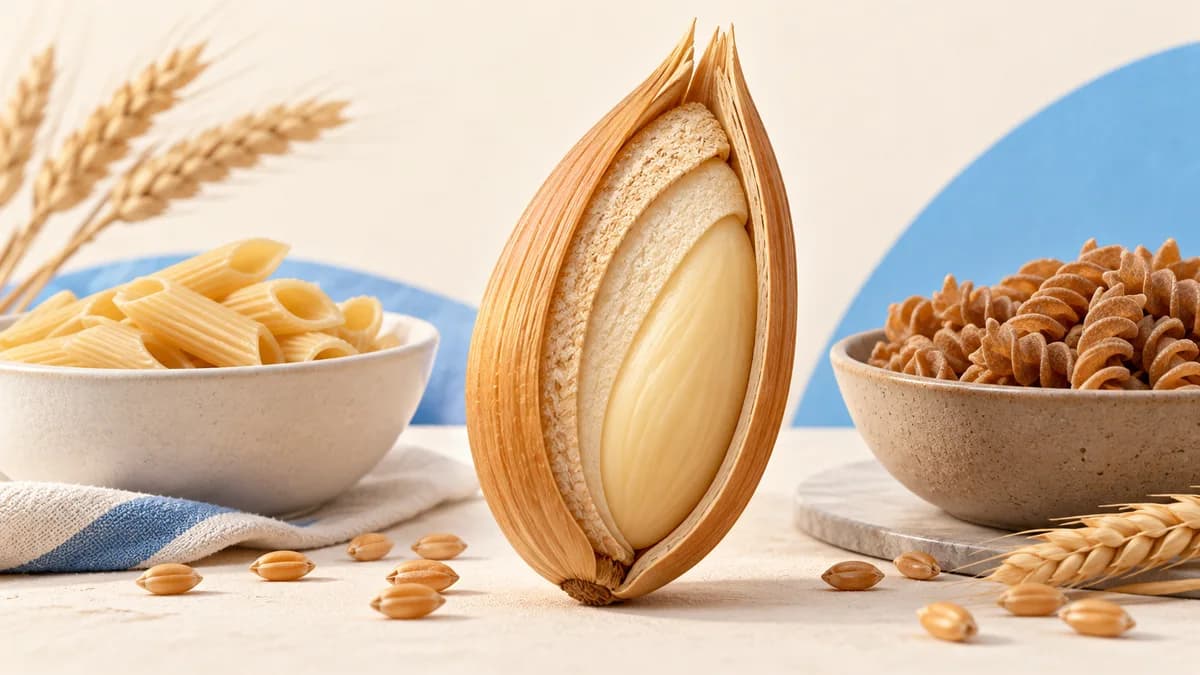
Whole wheat pasta uses the whole grain, including bran, germ and endosperm. Regular wheat pasta commonly uses refined semolina. Compare fiber and other nutrients at the same dry serving weight, then choose a texture and cooking method you enjoy.
- Look for whole wheat or whole grain in the ingredients.
- Compare equal dry weights, not a dry serving against a cooked serving.
- Follow each package’s timing; whole wheat does not always take longer.
What changes when the grain is whole?
A whole grain contains the bran, germ and endosperm. Refining removes the bran and germ. That distinction concerns the grain used to make the pasta, rather than whether the finished pasta happens to look brown.
Look at the ingredient list for whole wheat or whole durum wheat. For a clear example, Barilla lists whole grain durum wheat flour for its Whole Grain Spaghetti and semolina for its classic Spaghetti. A multigrain name alone does not answer whether those grains are whole.
Sources: USDA Food Buying Guide: Grain definitions; Barilla US: Whole Grain Spaghetti; Barilla US: Spaghetti
Compare equal servings before comparing nutrients
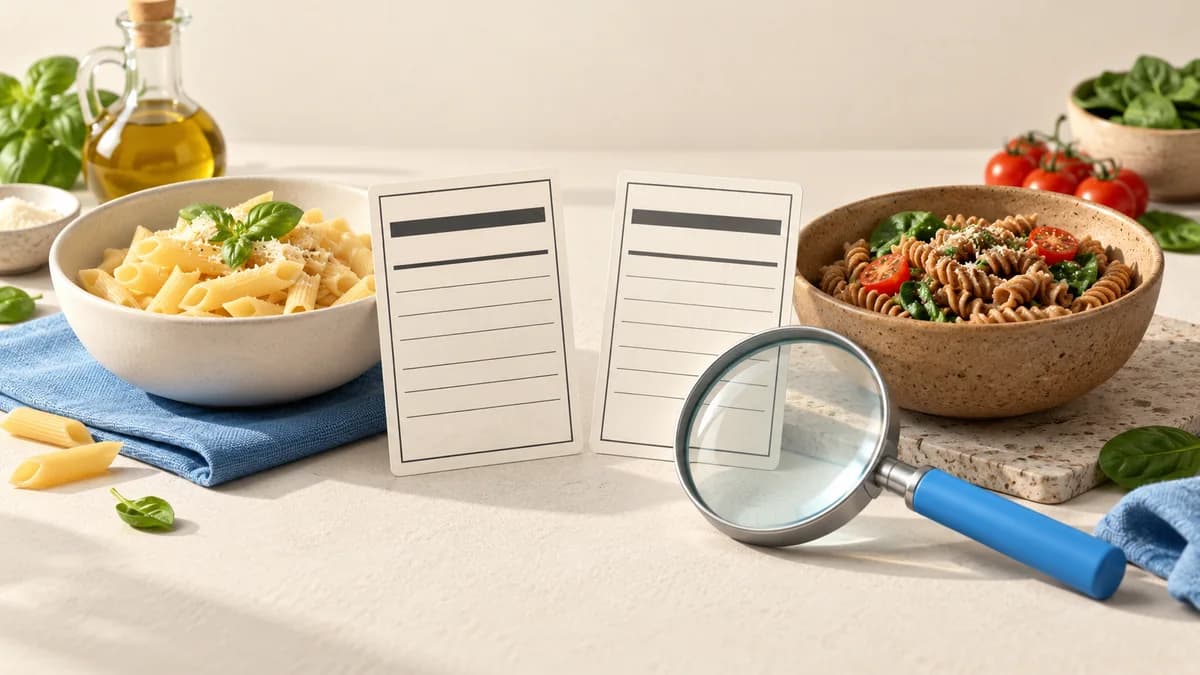
Nutrition labels are easiest to compare when both use the same serving weight and preparation basis. A cooked portion includes absorbed water, so comparing its weight directly with dry pasta can produce a misleading impression.
Check dietary fiber alongside the rest of the panel instead of assuming every whole wheat product has the same numbers. FDA serving sizes describe amounts people typically consume; they are not instructions for how much a particular person should eat. Use the label as a comparison tool, with your own meal needs in mind.
| Label detail | What to compare |
|---|---|
| Ingredients | Whole grain wording and any added ingredients. |
| Serving basis | The same dry weight, or the same prepared basis. |
| Dietary fiber | Grams for that comparable serving. |
| Package directions | The timing and preparation for that exact shape. |
Sources: FDA: Serving size on the Nutrition Facts label; FDA: Dietary fiber label guide
Choose a texture your household will actually use
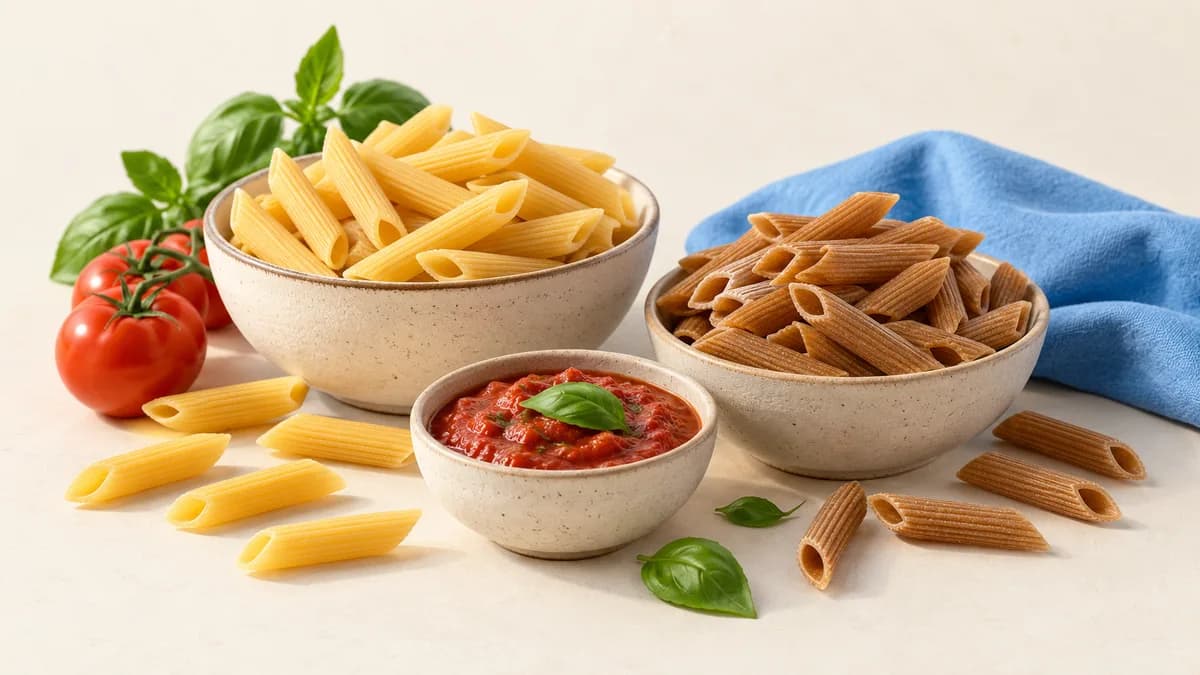
Whole wheat pasta often has a more pronounced grain flavor and a different bite from regular semolina pasta. Brand, shape and cooking time also affect the result, so disliking one box does not tell you how every whole wheat pasta will taste.
A small package is a useful first purchase. Try a familiar sauce and keep the rest of the recipe steady so you can judge the pasta itself. If you want to serve both kinds, cook them separately when their directions differ; combining them in one pot can make the comparison less fair.
Sources: Barilla US: Whole Grain Spaghetti; Barilla US: Spaghetti
Use the package, not a universal whole wheat timer
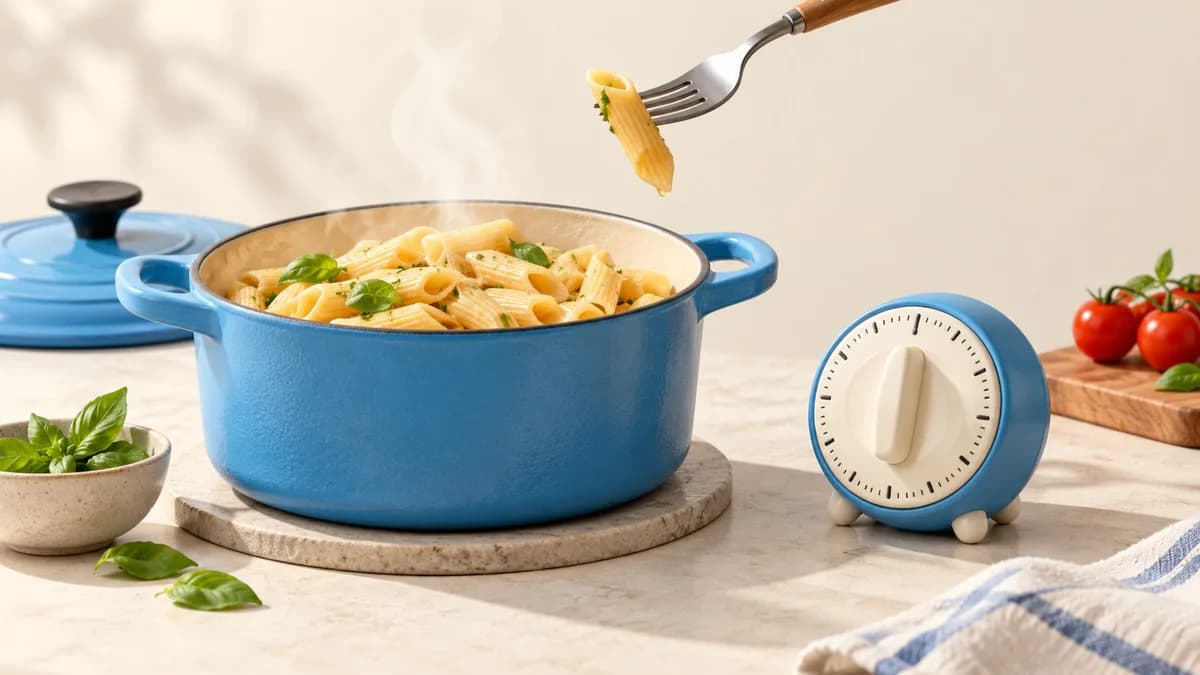
Whole wheat is not a reliable instruction to boil longer. At the time of review, Barilla’s US Whole Grain Spaghetti page gives 7 to 8 minutes, while its classic Spaghetti gives 9 to 10 minutes. These are examples for those products, not rules for all whole wheat and regular pasta.
Read the box in your kitchen because shapes and formulations can change. Start checking texture within its stated range, and account for any further cooking in a sauce or baked dish. Write down the result you liked rather than treating someone else’s preferred firmness as a requirement.
Sources: Barilla US: Whole Grain Spaghetti; Barilla US: Spaghetti
Let the rest of the meal do its part
USDA MyPlate guidance encourages making at least half of grain choices whole grains. Whole wheat pasta is one way to work toward that pattern; it does not need to replace every pasta dish you enjoy.
Build the meal around more than the noodle choice. Vegetables, beans or another suitable protein can change the balance and variety of the plate. If a dietitian has given you a specific eating plan, use that plan rather than treating a whole grain label as permission to disregard serving needs or other ingredients.
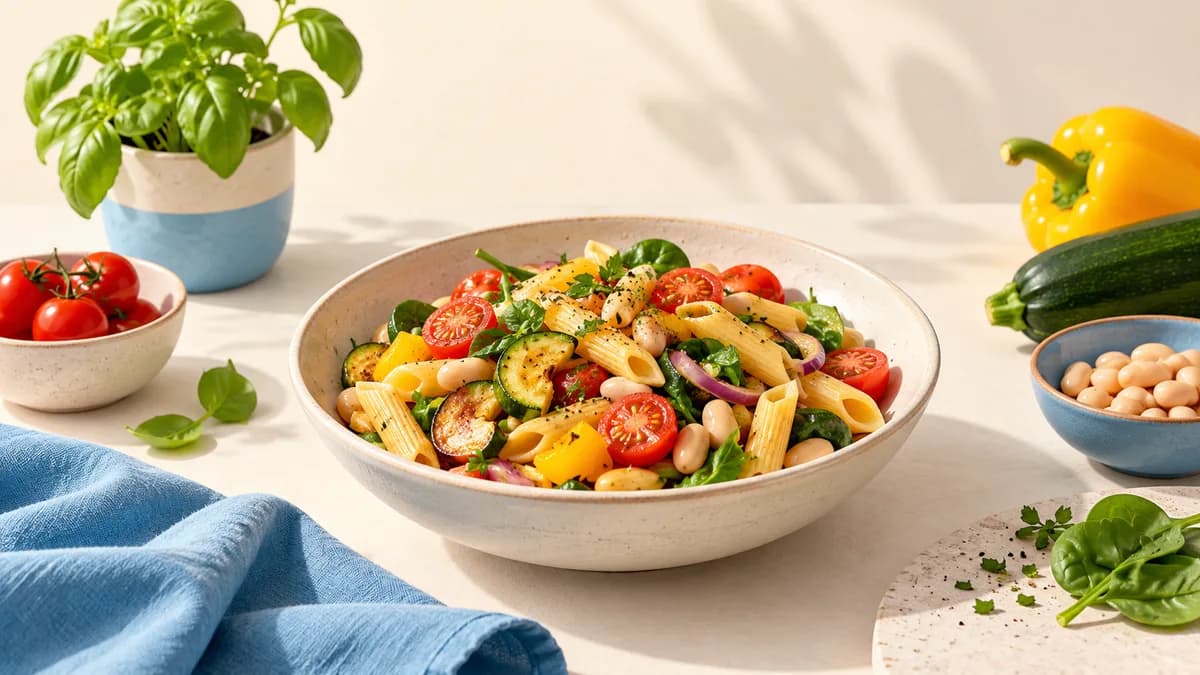
- Pick the pasta shape and texture you enjoy.
- Add vegetables and an appropriate protein for the meal.
- Keep comparisons about the whole plate, not a single label claim.
Common questions
Is brown pasta always whole wheat?
No. Read the ingredients for whole wheat or another whole grain. Color and a multigrain name are not sufficient proof.
Does whole wheat pasta always take longer to cook?
No. Timing depends on the product and shape. Check the package and taste for your preferred texture within its suggested range.
Should I compare dry or cooked serving sizes?
Either can work if both labels use the same basis and weight. Do not compare a dry serving on one label with a water-heavy cooked serving on another.
PUT IT INTO PRACTICE
Compare your options
Find shapes and package options that fit your meals.
Compare whole wheat pastaSources and editorial approach
ChooseRight researched the sources below to explain the topic and its practical trade-offs. Examples are illustrations, not results from our own product testing. Sources checked October 23, 2026. Artwork is AI-generated for explanation and does not document hands-on testing.