

Finding good whole wheat pasta can feel harder than it should be. The choices are endless, and honestly, not all of them taste the same. Some end up mushy, others taste like cardboard, and a few work for everyone in the family. Want to make a quick meal or looking for something a bit healthier? We know how it feels. Below are some favorites based on real user feedback:
Best Whole Wheat Pasta Picks for July 2026 (By User Reviews)
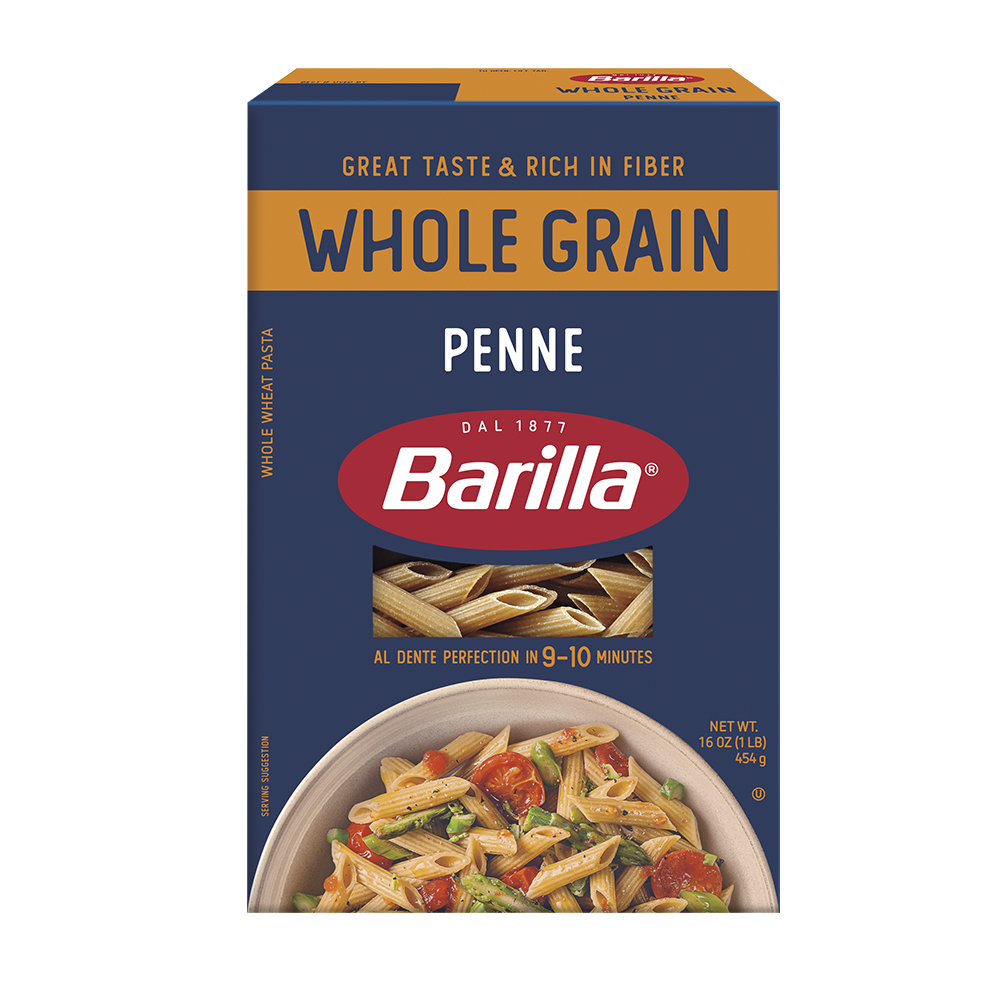
- Organic whole wheat penne rigate made in Italy
- Hollow-ridged pasta walls perfectly capture sauces
- Made with organic durum whole wheat flour for added fiber
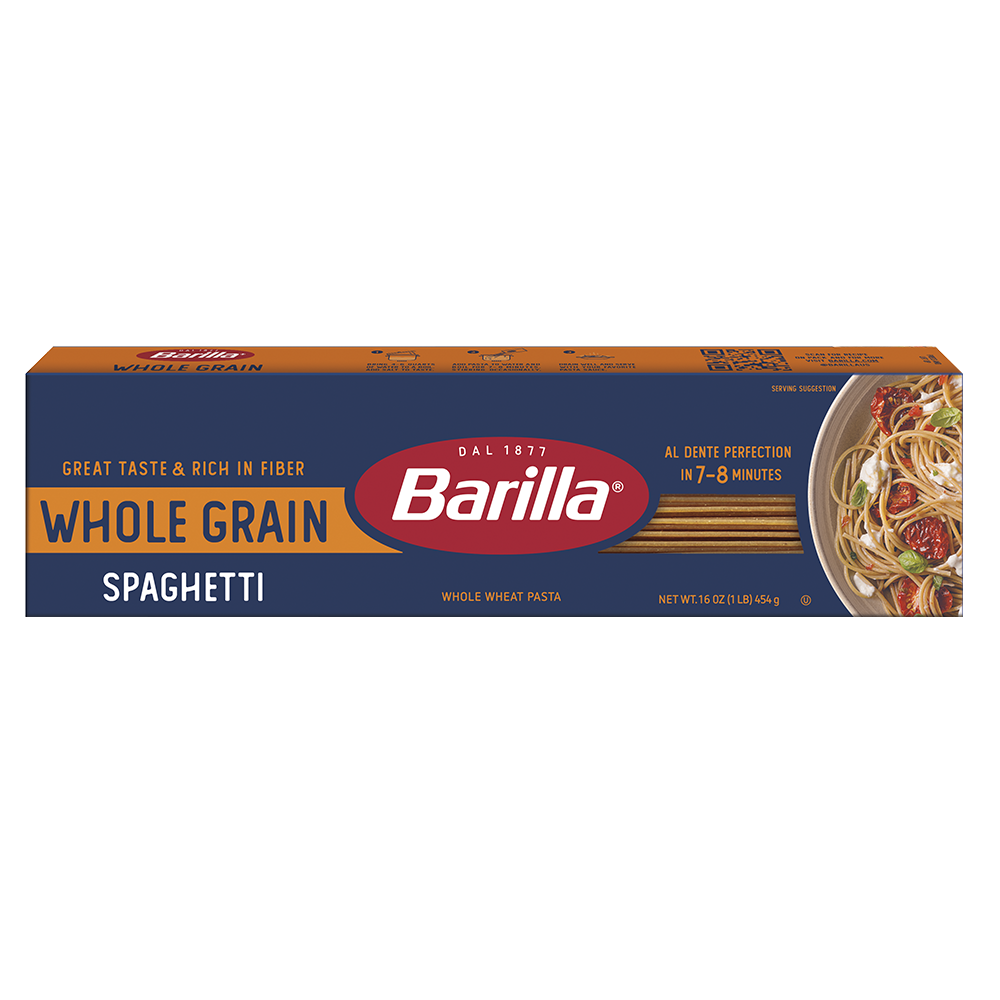
- Organic whole wheat spaghetti made in Italy
- Crafted from organic durum whole wheat flour
- Excellent source of fiber and whole grains
- Product Type:Noodle
- Item Package Dimension:13.208 cm L X 7.62 cm W X17.78 cm H
- Item Package Weight:0.75 lbs
- Item Package Weight: 1.0 lb
- Item Package Length: 22.606cm
- Item Package Width: 12.192cm
- ENRICH YOUR KITCHEN with RiceSelect Whole Wheat Orzo, our premium small pasta. Much like your favorite pastas, our rice-shaped pasta adds chewy, satisfying texture and hearty goodness to elevate any...
- HEALTHY AND TRADITIONAL: Our Orzo pasta is Non-GMO Project Verified and Certified Kosher by Star K, making it a great addition to your pantry, no matter your dietary restrictions. Perfect for home...
- LITTLE PASTA. ENORMOUS CULINARY POTENTIAL: Like couscous, rice, and quinoa, orzo is an ideal match for all kinds of dishes. The culinary potential for orzo pasta is endless! Orzo is made with 100%...
Why Whole Wheat Pasta is a Popular Choice
For many, pasta is a staple. But traditional varieties can pack a lot of refined flour. Whole wheat pasta offers an option with more nutritional value and extra fiber. A big reason some people switch comes down to diet , or sometimes, a gentle nudge from a health-conscious friend or a doctor’s suggestion. Whole wheat pasta tastes a little different than the standard stuff, but a lot of people find that difference is easy to get used to, especially when topped with a flavorful sauce.
Whole wheat pasta is less processed than white pasta, which means it keeps more of its original nutrients from the wheat kernel.
But does it actually taste good? The answer is not straightforward. Some brands have nailed the recipe, while others fall short. To figure out what works best, pay attention to texture, taste, and how well the pasta holds up in different dishes. These factors separate enjoyable meals from forgettable ones.
What Makes One Whole Wheat Pasta Better Than Another?
There is plenty to consider when deciding which pasta to bring home. The ingredients, the way it is made, and the overall experience all play a role.
- Texture: Does it stay firm when cooked al dente? Or does it turn to mush?
- Taste: Some have mild, nutty notes. Others are a bit too earthy or bitter.
- Ingredients: The shorter the list, the better. Simple whole durum wheat is ideal.
- Cooking Time: Quicker cooking pastas can get mushy if you are not careful.
- Packaging: Resealable bags or boxes are more convenient for storage.
Texture is probably the thing most people notice first. Some whole wheat pastas can be almost chewy or gritty. The best ones have a nice bite, not too soft and not hard. Taste comes next. You want mild, almost nutty flavor, without bitterness. Some can taste almost like standard pasta after a good sauce coats every strand. Others are another story entirely.
Watch out for pastas with a laundry list of additives. The best picks use only whole wheat and water.
Not every whole wheat noodle is made the same way. Some are made from 100 percent durum wheat, while others mix in softer white whole wheat flour. The difference can be pretty obvious if you are honest about it. Sometimes, paying a bit more for a quality brand is worth it. You will notice it in every bite.
The Science Behind Whole Wheat Pasta Nutrition
Nutritionally, whole wheat pasta has more fiber, magnesium, and certain vitamins than classic white versions. For anyone seeking more filling food, this is a plus. The higher fiber means it digests slower, which can keep you satisfied longer.
But not all whole wheat pastas are created equally. The nutrition label tells you a lot about whether you are getting what you expect. Always check the grams of fiber and protein. Some brands add extra protein, while others boost the fiber with bean or legume flour blends. Do you actually need the extras? That depends on your diet. More does not always mean better.
How to Cook Whole Wheat Pasta So It Tastes Good
Many people say they do not like whole wheat pasta, but then admit they cooked it until it fell apart. It does not behave like regular pasta, so the trick is to taste it a minute or two before the box says. If it is too soft, you might not get a second chance with your family at the table.
If you do not mind putting in a little extra effort, rinse the pasta after draining to keep it from sticking, but this can sometimes dilute flavor. Some cooks swear by adding a half tablespoon of olive oil to the cooking water to prevent clumping, but others argue against it. Depends who you listen to. There is no single right way.
Traditional Sauce Pairings
Creative Uses
Main Types of Whole Wheat Pasta Shapes
The shape is more than just about appearance. Whole wheat pasta comes in almost any form , spaghetti, rotini, penne, and shells. The best shape often depends on what kind of dish you plan to make. Kids like the ones that are fun or easy to grab. For adults, penne and rotini seem to work best with hearty sauces, while spaghetti is the classic choice for more delicate options.
Heavier shapes like penne and fusilli hold chunky sauces better and hide the earthy flavor of whole wheat pasta more than thin shapes.
| Shape | Best for |
| Spaghetti | Tomato sauces, olive oil, light dressings |
| Penne | Meaty sauces, casseroles |
| Rotini | Pesto, creamy sauces, salads |
| Shells | Baked dishes, cheese fillings |
| Farfalle | Pasta salads, lighter sauces |
One note: macaroni shaped whole wheat pasta will never taste exactly like the boxed version you grew up with. Sometimes it is better to go for a classic Italian shape if you are after a certain comfort food feeling. Just being honest.
How to Tell if You Are Getting Quality Whole Wheat Pasta
Packaging and labeling can be confusing, even misleading. Some brands add colorants or extra wheat gluten. Here are a few things to look out for when reading labels or judging quality off the shelf:
- 100 percent whole wheat listed on the ingredients
- No added sugars, dyes, or preservatives
- Fiber content of at least 5g per serving
- Pasta feels firm and non-sticky even when cooked correctly
- Packaging keeps pasta fresh and dry
Some pastas have mixed wheat, which is not always a bad thing. But if you want the classic whole wheat experience, check that it is not blended with refined flours or rice flour unless that is what you want. You will pay a bit more for premium packaging, but it keeps your pasta from getting stale or breaking down before you are ready to cook.
Buyer’s Guide: Picking the Right Whole Wheat Pasta
This is where things can get a little tricky. Choosing pasta that meets your needs depends on a few factors that might not seem obvious at first. Price is one, but that should not be the only one. Consider what you actually want to use the pasta for. You may need to do a bit of experimenting before settling on a single brand or shape.
Testing new brands can be frustrating. It may mean a few rough dinners before you find a winner. Some shoppers give up after the first batch goes wrong. But sometimes that is just about overcooking or not pairing your sauce well. Patience pays off. Sometimes the best whole wheat pasta is not the most expensive box at the market, but the one that fits your cooking style and family’s taste.
Main Pros and Cons of Whole Wheat Pasta
Common Whole Wheat Pasta Myths and Tips
There is a lot of talk online that all whole wheat pastas taste bad, or that they do not work in classic Italian recipes. This could not be further from the truth if you prepare and pair them well. Try swapping out half standard pasta with half whole wheat if you are nervous about how it will go over at dinner.
One thing that surprises people is how much the sauce matters. A good sauce can turn any average pasta into something worth writing about. Even a simple drizzle of good olive oil, garlic, and parmesan makes a big difference. Do not forget a little salt at the end.
Quick Comparison Table of Features
| Feature | Details |
| Fiber | About 5-7g per serving, higher than white pasta |
| Protein | 7g or more for one serving (varies) |
| Shelf Life | 12-24 months if stored cool and dry |
| Common Shapes | Spaghetti, penne, rotini, shells, elbows |
| Recommended Uses | Hearty sauces, pasta salads, baked dishes |
Frequently Asked Questions About Best Whole Wheat Pasta
How do I cook whole wheat pasta so it is not mushy?
The best method is to use lots of salted water, stir often, and check the pasta a minute before the suggested time. Drain as soon as it is tender but still firm. Sauce it right away for best results.
Why does whole wheat pasta taste different than white pasta?
Whole wheat keeps the bran and germ from the wheat kernel, which gives it an earthier and slightly nutty flavor. White pasta uses only the refined flour, so it is milder. Some people find the flavor difference subtle, others need time to adjust.
Is whole wheat pasta better for you than traditional pasta?
Whole wheat pasta has more fiber and micronutrients than traditional white pasta. This can help with digestion and help you feel fuller longer. But like any carb, moderation matters for overall health.
Can you mix whole wheat and regular pasta together?
You can, but they need different cooking times. To get both right, start with the whole wheat pasta, then add the regular kind a couple minutes later. It works best with similar shapes and sizes.
What is the best way to store whole wheat pasta?
Store it in a cool, dry place in a sealed container. Avoid humidity and heat, which can make pasta stale or cause it to spoil sooner.
Trying out a new whole wheat pasta sometimes takes a bit of trial and error. Is there a certain brand, shape, or cooking method you wish worked better for your household? Sometimes the solution is as simple as a change of sauce, or just tweaking how long you cook it. Give a few of these tips a try and see if your next pasta night goes a little smoother.
Last update on 2026-07-10 / Affiliate links / Images from Amazon Product Advertising API

